Categories
Tags
Archives
Do I Need to Install My Own Ethernet Cabling?
-
When setting up a home office, upgrading a commercial space, or expanding a growing company, one question often comes up: should you handle your own Ethernet Cabling, or hire professionals? While DIY projects can seem cost-effective at first, network infrastructure is different from painting a wall or assembling furniture. The quality of your cabling directly affects speed, reliability, and long-term performance.
For businesses that depend on stable internet, VoIP systems, cloud software, and security cameras, the decision matters. Below, we break down when it makes sense to install cabling yourself and when professional support from Reliable Telecom is the smarter choice.
Understanding Ethernet Cabling
Ethernet Cabling connects devices such as computers, routers, switches, printers, and access points to a wired network. It supports faster speeds, lower latency, and stronger security compared to wireless networking -only setups.
Most systems use Cat5e, Cat6, or Cat6a cables. The choice depends on bandwidth requirements, building size, and future growth plans. Therefore, selecting the right cable type is not just about today’s needs but also tomorrow’s expansion.
A properly installed network reduces downtime and prevents common issues like signal interference and connection drops.
When DIY Installation Might Work
In some cases, installing Ethernet Cabling yourself may be manageable. For example, small apartments or single-room home offices with minimal wall routing can be straightforward. If the cable runs are short and visible, and you already have basic tools, a simple setup could work.
However, even small mistakes can affect performance. Improper termination, poor cable management, or incorrect testing can result in slower speeds. Moreover, without structured planning, you may face challenges when upgrading equipment later.
The Risks of Installing Your Own Ethernet Cabling
Although DIY can appear budget-friendly, hidden risks often increase costs over time. A poorly planned network can create recurring connectivity problems. In commercial spaces, this may lead to workflow interruptions and client dissatisfaction.
Common issues include:
- Incorrect cable category selection
- Exceeding recommended cable length limits
- Interference from electrical wiring
- Improper patch panel configuration
- Lack of professional testing and certification
These problems may not appear immediately. Yet, as your business grows and bandwidth demand increases, weaknesses become visible.
Why Professional Installation Makes a Difference
Professional installers understand building codes, structured cabling standards, and performance testing requirements. They assess your layout, future expansion plans, and device load before recommending a solution.
At Reliable Telecom, every Ethernet Cabling project begins with a site evaluation. This ensures cable pathways are clean, organized, and compliant with safety regulations. Structured cabling also improves airflow, equipment access, and long-term maintenance.
Furthermore, certified testing verifies that every connection meets performance benchmarks. That means fewer troubleshooting calls later.
Cost Comparison: DIY vs. Professional
At first glance, self-installation may seem less expensive. You purchase cables, connectors, and tools, then complete the job yourself. However, professional installation includes design planning, cable management systems, labeling, testing, and warranty support.
If a DIY setup fails, you may need to redo parts of the installation. Therefore, initial savings can disappear quickly. Businesses especially benefit from professional work because downtime often costs more than installation fees.
Reliable infrastructure supports productivity. In contrast, unstable networks reduce efficiency and create frustration.
Planning for Growth and Future Updates
Google’s current helpful content standards prioritize clear, people-first information. In the same way, network planning should focus on long-term usability rather than short-term fixes.
When installing Ethernet Cabling, consider:
- Will your team grow in the next 2–5 years?
- Are you adding security cameras or smart devices?
- Do you plan to upgrade to higher bandwidth internet?
- Will you need additional access points?
Professional planning prevents unnecessary rewiring later. Structured layouts allow easy expansion without disrupting operations.
Residential vs. Commercial Needs
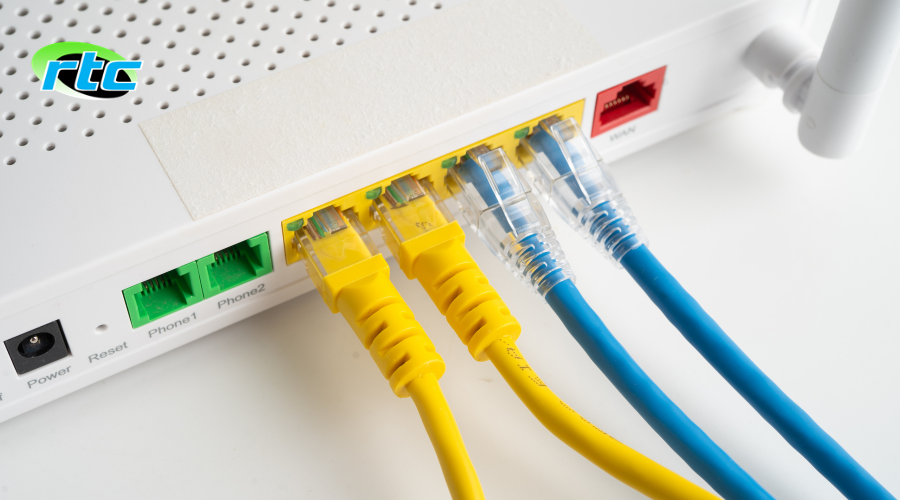
Homes typically require fewer cable drops. Still, streaming, gaming, and remote work increase bandwidth demands. Installing structured Ethernet Cabling ensures stable video calls and consistent streaming quality.
Commercial properties, on the other hand, require scalable infrastructure. Offices often support multiple users, cloud platforms, VoIP systems, and data servers. Therefore, cable organization, labeling, and documentation become essential.
Reliable Telecom designs systems that align with property size, business goals, and compliance requirements.
Safety and Compliance Considerations
Electrical safety codes and fire regulations vary by location. Running cables through walls, ceilings, or commercial spaces without proper materials can create hazards. Plenum-rated cables may be required in certain environments.
Professional installers follow compliance standards to ensure your Ethernet Cabling meets regulations. This protects both property and occupants. It also avoids potential insurance issues caused by improper installations.
Performance Testing and Certification
After installation, every cable should be tested for signal strength, continuity, and bandwidth capacity. DIY setups rarely include professional-grade certification testing.
Without verification, hidden faults may remain undetected. These faults often cause intermittent connectivity issues that are difficult to diagnose. Certified installations provide measurable proof that your network performs as expected.
Reliable Telecom ensures each project undergoes structured testing before completion.
So, Do You Need to Install Your Own Ethernet Cabling?
The answer depends on your environment, budget, and technical expertise. For small, temporary setups, DIY may be sufficient. However, for growing businesses, long-term residences, and high-performance needs, professional installation is often the safer and more reliable option.
Strong network infrastructure supports productivity, communication, and security. Investing in proper Ethernet Cabling reduces future disruptions and protects your technology investment.
Final Thoughts
Installing your own cabling might seem simple at first. Yet, network infrastructure is the backbone of modern operations. Mistakes can affect speed, stability, and scalability.
If you want a system built for reliability and future growth, working with experienced technicians ensures everything is structured correctly from the start. Reliable Telecom provides planning, structured installation, and performance-tested solutions designed for today’s connectivity demands.
When you're ready to strengthen your network foundation, consider scheduling a consultation to review your space and requirements. A well-designed cabling system makes everyday operations smoother, more secure, and ready for what comes next.