Categories
Tags
-
#carpet
#cooking
#Outdoor Rattan Set
#Leisure Chair
#Ice Maker Machine
#how to
#pet care
#outdoor furniture
##clean #cleaning tips
#treadmill
# sports
#dog cages
#Corner Sofa Set
#Home Appliances
#Bedroom Shelving Ideas
#Rack Shelving
#rattan furniture
#air fryer
#Rattan Garden Furniture
#Best Barbeque grill
#noise control
#dog training
#metal sheds for sale
#Cooling Solutions
#Outdoor Living
#Storage solutions
##GardenTool
#shelves
#Garage Storage Solutions
#DIY Home
#Household Appliances
#BBQ grill
#Carpet flooring
#Crates for dogs
#healthy meals
#homegardening
##lifestyle
#BBQ cooking set
#garden sofa
#egg chair
#Hose Pipe
#UK Home
#bbq
#running machine
#walking pad
#garage shelving
##cooling
#rattan sofa
#Electric Fan
#watering
Archives
Dog Crate Training Guide: Simple Steps for a Happy, Calm Dog
-
Posted by Lucy Zheng Filed in Family & Home #pet care #dog cages #dog training #Crates for dogs #UK Home 199 views
Crate training often gets misunderstood. Some people hear the word “crate” and picture confinement or punishment. In reality, when done properly, crate training is one of the most humane and effective ways to help a dog feel safe, settle down, and build healthy routines.
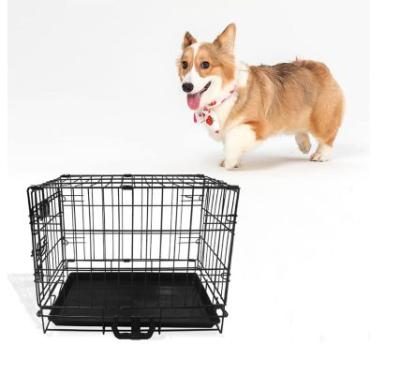
Dogs naturally look for small, enclosed spaces to rest. It’s part of their instinct. A well-introduced crate taps into that instinct and becomes a calm, predictable place where your dog can relax. Think of it less like a cage and more like a bedroom that belongs entirely to them.
If you approach crate training with patience, consistency, and kindness, most dogs will not just tolerate the crate. They’ll actively choose it.
Why Crate Training Works So Well
Before getting into techniques, it helps to understand why crate training is so widely recommended by trainers and behaviorists.
A Safe Space Your Dog Can Rely On
Dogs thrive on having a space they can call their own. In a busy household, that sense of ownership matters. A crate gives your dog a quiet retreat where they can rest without being disturbed.
Many dogs start going into their crate on their own once they feel comfortable. That’s when you know it’s working.
Helps Build Routine and Good Habits
Crate training supports structure, and structure makes dogs feel secure. When a dog learns that certain times are for rest and certain times are for activity, their overall behavior improves.
It also plays a huge role in house training. Dogs are naturally clean animals and prefer not to soil their sleeping area. That instinct helps reduce accidents indoors.
Protects Both Your Dog and Your Home
Young dogs and even some adult dogs love to chew. That’s normal behavior, but it can become risky if they get into wires, furniture, or small objects.
A crate keeps your dog safe when you cannot supervise them directly. It’s not about restriction. It’s about prevention.
Makes Travel and Vet Visits Less Stressful
A dog that’s comfortable in a crate handles new environments much better. Whether it’s a car ride, a vet visit, or staying somewhere new, the crate becomes a familiar anchor.
That familiarity can dramatically reduce anxiety.
Step-by-Step Crate Training That Feels Natural
The biggest mistake people make is moving too fast. Crate training is not about getting your dog used to being locked in. It’s about helping them feel safe going in and staying there calmly.
Step 1: Build a Positive First Impression
Start by placing the crate in a quiet but social area of your home. Your dog should still feel part of the family.
Make the crate inviting:
- Add a soft blanket or bed
- Include a favorite toy
- Drop a few treats inside
Leave the door open and let your dog explore freely. No pressure, no forcing. Curiosity will do most of the work for you.
A helpful trick is to casually toss treats into the crate throughout the day. Your dog will start associating the crate with good things without even thinking about it.
Step 2: Use Food as a Training Shortcut
Food is one of the easiest ways to create positive associations.
Start by placing treats just inside the crate. Once your dog is comfortable stepping in, move the treats further back.
Then begin feeding meals inside the crate. This is a powerful shift. It tells your dog that the crate is not just safe, it’s rewarding.
At this stage, keep the door open. Let your dog come and go freely.
Step 3: Introduce the Door Gradually
Once your dog is entering the crate comfortably, you can begin closing the door for short periods.
Start small:
- Close the door for a few seconds
- Stay nearby
- Open it before your dog becomes anxious
Gradually increase the duration. Think in minutes, not hours.
If your dog shows signs of stress, you’ve gone too far too fast. Take a step back and shorten the time.
Step 4: Practice Short Separations
After your dog is comfortable with the door closed while you’re nearby, begin stepping away briefly.
Start with just one or two minutes. Then slowly increase the time.
The key is to return before your dog becomes distressed. This builds confidence and prevents negative associations.
Over time, your dog learns that being in the crate does not mean being abandoned.
Time Limits That Keep Your Dog Comfortable
Crate training should never feel like isolation.
As a general guide:
- Puppies can handle about two to three hours during the day
- Adult dogs can stay in a crate for four to six hours
Nighttime is different because dogs naturally sleep longer, but even then, young puppies may need breaks.
If your schedule requires longer absences, consider alternatives like a playpen or a pet sitter.
Making the Crate Feel Like a Cozy Den
Small environmental changes can make a big difference in how your dog perceives the crate.
Use a Light Cover
Draping a light blanket over the crate can create a den-like feel. Many dogs find this calming because it reduces visual stimulation.
Just make sure there is still proper airflow.
Add a Safe Chew Toy
Chewing is soothing for dogs. A durable chew toy helps prevent boredom and reduces stress.
Avoid anything that could break apart or be swallowed.
Keep a Consistent Command
Using a simple word like “crate” or “bed” helps your dog understand what you expect.
Say it calmly and consistently. Over time, your dog will respond automatically.
Calming Techniques That Really Work
Even with the best approach, some dogs need extra reassurance.
Here are a few simple techniques that can help:
- Sit near the crate and speak softly during early sessions
- Place an item with your scent inside, like a worn t-shirt
- Use slow, relaxed movements when interacting with the crate
- Avoid making a big deal out of leaving or returning
Dogs pick up on your energy. If you stay calm, they are more likely to stay calm too.
Common Mistakes to Avoid
Crate training is straightforward, but a few missteps can slow progress.
Moving Too Fast
Rushing the process often leads to resistance. Let your dog set the pace.
Using the Crate as Punishment
This is one of the quickest ways to create negative associations. The crate should always feel safe, never like a consequence.
Ignoring Early Signs of Stress
Whining, pacing, or scratching can indicate discomfort. Don’t push through it. Adjust your approach.
Leaving a Dog Crated Too Long
Even a well-trained dog needs exercise, interaction, and stimulation. The crate is a tool, not a lifestyle.
Helping Your Dog Love the Crate
When crate training is done right, something interesting happens.
Your dog starts choosing the crate on their own.
They’ll walk in, lie down, and relax without being asked. That’s the goal. Not compliance, but comfort.
At that point, the crate becomes more than a training tool. It becomes a place of security.
Creating a Calm and Balanced Routine
Dogs feel most at ease when life is predictable.
Try to build a simple daily rhythm:
- Walk or play before crate time
- Offer a calm activity like chewing
- Use the crate for rest, not just when you leave
This balance helps your dog settle more easily and reduces anxiety.
A Kind and Practical Approach to Crate Training
Crate training is not about control. It’s about communication.
You’re showing your dog where they can feel safe, when it’s time to rest, and how to relax in your absence.
When approached with patience and empathy, it strengthens trust rather than weakening it.
A well-trained dog in a crate is not a dog that feels trapped. It’s a dog that feels secure, comfortable, and at ease in its own space.
And that’s exactly what every dog deserves.