Categories
Tags
-
#cooking
#Outdoor Rattan Set
#Leisure Chair
#how to
#pet care
#outdoor furniture
##clean #cleaning tips
#treadmill
# sports
#dog cages
#Corner Sofa Set
#Bedroom Shelving Ideas
#Rack Shelving
#rattan furniture
#air fryer
#Rattan Garden Furniture
#Best Barbeque grill
#dog training
#metal sheds for sale
#Cooling Solutions
#Outdoor Living
#Storage solutions
##GardenTool
#shelves
#Garage Storage Solutions
#Household Appliances
#BBQ grill
#Crates for dogs
#healthy meals
#homegardening
#BBQ cooking set
#garden sofa
#egg chair
#Hose Pipe
#UK Home
#bbq
#running machine
#garage shelving
#rattan sofa
#Electric Fan
#watering
Archives
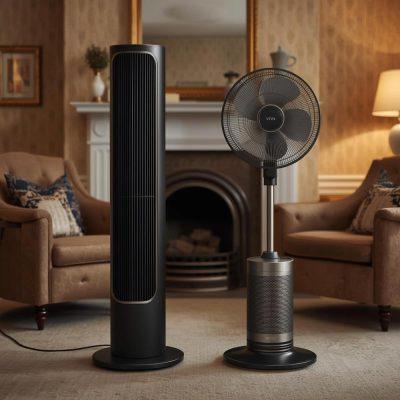
Tower Fan vs Pedestal Fan: Best Cooling Option for Summer
-
Posted by Lucy Zheng Filed in Family & Home #Cooling Solutions #Household Appliances #UK Home #Electric Fan 94 views
British summers have changed.
Not dramatically enough for every home to suddenly install air conditioning like southern Europe or parts of the US — but definitely enough that people across the UK are taking home cooling far more seriously than they used to.
A few years ago, most households could survive summer with an open window and maybe an old desk fan dragged out from the loft. Now? Heatwaves lasting several days are becoming more common, bedrooms trap heat overnight, and many newer flats seem to turn into greenhouses the moment temperatures pass 27°C.
At the same time, electricity prices remain a major concern for UK households. Running portable air conditioning all day is expensive, noisy, and unrealistic for many renters. That’s why fans continue to be the most practical cooling solution for a huge number of people.
But once you actually start shopping for one, the choice gets surprisingly confusing.
Tower fan or pedestal fan?
Both are everywhere online. Both claim powerful airflow. Both promise quieter cooling and better comfort. Yet in real life, they suit completely different types of homes and lifestyles.
And honestly, this is where many people end up buying the wrong thing.
Not because the fan itself is bad — but because it does not match how they actually live.
So let’s break this down properly, based on how British homes are really used in 2026.
Why Fan Choice Matters More in UK Homes
Cooling a UK home is different from cooling homes in hotter countries.
Most British houses were designed to keep heat in, not let it out.
That becomes a problem during summer.
Common issues include:
- smaller room layouts
- poor airflow between rooms
- carpeted bedrooms trapping heat
- loft conversions overheating badly
- limited air conditioning installation
- sash windows that barely open properly
- humid nights during heatwaves
Many homes also do not have ceiling fans, which are far more common in warmer climates.
So portable cooling becomes the default option.
And because UK homes vary massively — from Victorian terraces to compact city flats — the “best” fan depends heavily on your space and daily habits.
What Is a Tower Fan?
A tower fan is the slim, vertical style you now see in loads of modern flats and bedrooms.
Instead of large visible blades, tower fans use internal fan systems that push air through a tall vent column.
They are designed to provide consistent airflow while taking up minimal floor space.
Over the last few years, tower fans have become especially popular among:
- renters
- apartment owners
- home office users
- people with smaller bedrooms
- households wanting quieter cooling
A lot of younger UK buyers also prefer the cleaner, more minimal look.
Traditional pedestal fans can sometimes make a room feel cluttered, especially in smaller modern flats.
Why People Like Tower Fans
They Fit British Homes Better Than You’d Expect
Space matters in the UK.
Especially in:
- London flats
- converted apartments
- student accommodation
- compact new-build homes
A pedestal fan can sometimes dominate half a corner of the room.
Tower fans slide neatly beside:
- sofas
- desks
- bedside tables
- wardrobes
And because they have smaller bases, they are less awkward to move around.
This becomes surprisingly important once you actually live with the fan daily instead of just looking at product photos online.
Tower Fans Usually Feel Less Aggressive
This sounds strange at first, but many people do not actually want a powerful “wind tunnel” effect indoors.
They want comfortable airflow.
Tower fans tend to create softer air circulation across a wider vertical area.
That works well for:
- sleeping
- watching TV
- working from home
- nursery rooms
- shared bedrooms
Instead of blasting air directly into your face, the airflow feels more balanced and less intense.
Some people genuinely sleep better with this style of cooling.
Noise Levels Matter More Than People Expect
This is one of the biggest reasons tower fans became popular in the UK.
British homes are often quieter at night compared with larger cities abroad.
Which means annoying fan noise becomes very noticeable during sleep.
Pedestal fans can create:
- blade hum
- rattling grills
- motor vibration
- chopping airflow sounds
Tower fans usually produce smoother background noise.
For light sleepers, this can make a massive difference.
Especially during those sticky summer nights where the bedroom feels impossible to cool down.
Modern Features Are Better on Tower Fans
Tower fans often include:
- timers
- sleep modes
- remote controls
- digital displays
- eco settings
- touch controls
These features suit modern usage habits well.
A lot of UK households now run fans overnight during heatwaves, so timers and quieter night modes genuinely matter.
Some people even treat tower fans almost like lifestyle appliances now rather than purely functional cooling devices.
But Tower Fans Are Not Perfect
They absolutely have downsides.
Airflow Can Feel Weaker During Extreme Heat
This is the biggest complaint.
Tower fans move air efficiently, but usually not as aggressively as pedestal fans.
During serious UK heatwaves — especially those rare 30°C+ stretches — some people feel tower fans simply do not hit hard enough.
You may feel cooler overall, but you do not get that strong direct blast of air.
And during peak afternoon heat, some users want exactly that.
Cleaning Can Be Annoying
Pedestal fans are simple.
You remove the grill and clean the blades.
Tower fans are more enclosed.
Dust buildup inside the vents can become frustrating over time, especially if you have pets or carpets generating fluff.
Tower Fans Often Cost More
Basic pedestal fans remain cheaper overall.
Especially at entry level.
A decent tower fan with quiet performance and modern features may cost noticeably more upfront.
What Is a Pedestal Fan?
Pedestal fans are the classic standing fans most people already know.
Large spinning blades mounted on an adjustable stand.
Simple. Familiar. Effective.
And despite newer fan styles becoming trendy, pedestal fans remain extremely common in UK homes for one simple reason:
they move a lot of air.
Why Pedestal Fans Still Work So Well
The Cooling Power Is Immediate
This is where pedestal fans dominate.
When the room feels unbearably hot, pedestal fans create stronger direct airflow almost instantly.
You feel the cooling effect immediately.
That makes them particularly useful during:
- daytime heatwaves
- cooking in warm kitchens
- stuffy conservatories
- larger living rooms
- home workouts
If your priority is raw airflow, pedestal fans usually win.
Better for Larger Spaces
Many tower fans work best in:
- bedrooms
- offices
- smaller lounges
Pedestal fans handle open spaces better.
Their larger blades circulate more air across wider areas.
This matters in older UK homes with:
- high ceilings
- larger lounges
- open-plan layouts
A small tower fan can sometimes struggle in these environments.
Adjustable Height Is Genuinely Useful
People underestimate this feature until they actually use it.
Being able to raise or lower airflow helps massively depending on the room setup.
For example:
- aiming airflow across the bed
- cooling a sofa area
- circulating air toward open windows
- directing airflow during exercise
Pedestal fans give you more physical control over airflow direction.
They Usually Cost Less
If budget matters, pedestal fans are often the best-value cooling option.
Basic models remain very affordable in the UK market.
And because the design is mechanically simpler, repairs and replacements are generally cheaper too.
But Pedestal Fans Have Their Own Problems
They Take Up More Space
This becomes annoying fast in smaller rooms.
The wide circular base plus blade housing can make the room feel cramped.
In compact flats, pedestal fans sometimes end up awkwardly shoved into corners or blocking walkways.
They are simply bulkier.
Noise Can Be a Dealbreaker
This is probably the biggest downside.
Cheaper pedestal fans especially can become loud at higher speeds.
Not just airflow noise — mechanical noise too.
That constant humming or rattling becomes irritating overnight.
Some people tolerate it easily.
Others absolutely cannot sleep with it running.
They Look More Functional Than Stylish
This may sound superficial, but aesthetics matter in modern homes.
Tower fans tend to blend into interiors more naturally.
Pedestal fans still look quite utilitarian.
Not ugly exactly — just less discreet.
Tower Fan vs Pedestal Fan for UK Bedrooms
This is probably the most important comparison for many buyers.
UK bedrooms are notorious for trapping heat during summer.
Especially:
- loft conversions
- upstairs rooms
- south-facing bedrooms
- poorly ventilated flats
In most bedroom situations, tower fans usually make more sense.
Why?
Because people sleeping mainly care about:
- quieter operation
- compact footprint
- overnight comfort
- stable airflow
- timers and sleep modes
A pedestal fan may cool harder, but the stronger airflow and higher noise levels sometimes become irritating after several hours.
That said, if your bedroom gets brutally hot during heatwaves, a powerful pedestal fan may still outperform a smaller tower fan.
What About Electricity Costs?
This is becoming a much bigger factor in the UK.
The good news is that both fan types are relatively cheap to run compared with portable air conditioning.
Most standard fans use surprisingly low electricity overall.
In practical terms:
- tower fans are usually slightly more energy-efficient
- pedestal fans vary more depending on motor size and speed
- running costs remain fairly low for both
For most households, the difference on the electricity bill is relatively small unless the fan runs constantly.
Portable air conditioning is where costs rise sharply.
That is why many UK households still prefer fans despite increasingly hot summers.
Which Fan Works Better for Working From Home?
This became a huge factor after remote work exploded across the UK.
Nobody wants:
- microphone noise during meetings
- papers blowing everywhere
- loud fan hum beside the desk
For home office setups, tower fans often feel better overall.
They provide steady airflow without overwhelming the workspace.
And visually, they integrate into office setups more cleanly.
The Truth Most Reviews Ignore
A lot of online comparisons try to declare one fan type universally “better.”
Realistically, that is not how people use them.
The better question is:
“What problem are you actually trying to solve?”
Because cooling needs vary massively.
Someone in a tiny London flat has completely different needs from somebody cooling a large detached house in Yorkshire.
A Simple Way to Decide
Choose a tower fan if you:
- have limited space
- want quieter overnight cooling
- care about aesthetics
- work from home
- prefer softer airflow
- live in a flat or smaller house
Choose a pedestal fan if you:
- prioritise maximum airflow
- need to cool larger rooms
- want adjustable airflow height
- prefer lower upfront cost
- struggle with intense daytime heat
And honestly?
A lot of UK households eventually end up using both.
A pedestal fan downstairs during the day.
A quieter tower fan upstairs at night.
Because once British summer heat settles in for a few days straight, people quickly realise one fan in one room usually is not enough anymore.