Categories
Tags
-
#carpet
#cooking
#Outdoor Rattan Set
#Leisure Chair
#Ice Maker Machine
#how to
#pet care
#outdoor furniture
##clean #cleaning tips
#treadmill
# sports
#dog cages
#Corner Sofa Set
#Home Appliances
#Bedroom Shelving Ideas
#Rack Shelving
#rattan furniture
#air fryer
#Rattan Garden Furniture
#Best Barbeque grill
#noise control
#dog training
#metal sheds for sale
#Cooling Solutions
#Outdoor Living
#Storage solutions
##GardenTool
#shelves
#Garage Storage Solutions
#DIY Home
#Household Appliances
#BBQ grill
#Carpet flooring
#Crates for dogs
#healthy meals
#homegardening
##lifestyle
#BBQ cooking set
#garden sofa
#egg chair
#Hose Pipe
#UK Home
#bbq
#running machine
#walking pad
#garage shelving
##cooling
#rattan sofa
#Electric Fan
#watering
Archives
How to Keep Your Home Cooler in Summer Without Air Conditioning
-
Posted by Lucy Zheng Filed in Family & Home #Cooling Solutions #UK Home ##cooling #Electric Fan 51 views
Every summer, the same conversation starts popping up across the UK.
One hot afternoon is enough for people to begin searching for ways to cool down bedrooms, home offices, conservatories and living rooms. For many households, installing air conditioning simply isn't practical. It can be expensive, disruptive to install, and often feels difficult to justify for a climate where heatwaves tend to arrive in short bursts rather than lasting for months.
As a result, many homeowners find themselves looking for alternatives.
The good news is that creating a cooler, more comfortable home doesn't always require expensive equipment. In fact, some of the most effective solutions involve changing how you manage heat before it builds up in the first place.
A lot of people focus entirely on cooling. The real secret is often reducing heat gain, improving airflow and making your home work with the weather rather than against it.
Why Some Homes Feel Unbearably Hot in Summer
One thing that surprises many people is that newer homes are not always cooler during hot weather.
Modern properties are designed to retain heat efficiently. That's excellent during winter, but during a heatwave it can create the opposite problem.
Older Victorian homes have their own challenges. Thick brick walls can absorb heat throughout the day and continue releasing it long after sunset. Loft conversions often become the hottest rooms in the house because warm air naturally rises. Top-floor flats face a similar issue.
The result is a home that gradually stores heat like a battery.
By evening, even when outdoor temperatures begin to fall, many rooms remain stubbornly warm.
This is why simply buying a larger fan or opening a random window doesn't always solve the problem.
To cool a home effectively, it's important to understand where the heat is coming from and how it becomes trapped.
The Biggest Cooling Mistake Most People Make
When temperatures rise, many people immediately open every window in the house.
It feels logical.
Fresh air equals cooler air, right?
Not necessarily.
If it's 30°C outside and 25°C inside, opening every window can actually make your home hotter.
The timing of ventilation matters far more than most people realise.
Early mornings and late evenings are often when outside air becomes cooler than indoor air. These periods create valuable opportunities to flush accumulated heat from your home.
During the hottest part of the day, however, keeping windows wide open may simply invite more heat indoors.
Understanding when to ventilate can be more effective than investing in expensive cooling equipment.
Start by Blocking Heat Before It Enters
Cooling a room is always harder than preventing it from overheating.
Think about a car parked in direct sunlight.
Once the interior reaches extreme temperatures, it takes considerable effort to cool down.
Homes work in a similar way.
Sunlight streaming through windows creates what's known as solar heat gain. Large south-facing windows can dramatically increase indoor temperatures, especially in conservatories and modern open-plan living spaces.
One of the easiest improvements is closing curtains or blinds before direct sunlight reaches the room.
Many people wait until a room already feels hot.
By then, much of the heat has already entered.
Keeping blinds closed during peak sunshine hours can significantly reduce temperature build-up throughout the day.
Light-coloured curtains, blackout blinds and reflective window coverings can all help limit solar heat gain without major expense.
Create Airflow Instead of Random Ventilation
Good airflow is often more important than simply having open windows.
Many homes have windows open but very little actual air movement.
This creates the illusion of ventilation without delivering much cooling benefit.
A better approach is to encourage air to travel through the property.
If possible, open windows on opposite sides of the house.
This creates cross-ventilation, allowing warm indoor air to leave while cooler outdoor air enters.
Even a gentle airflow moving through hallways and rooms can dramatically improve comfort levels.
Terraced houses, semi-detached properties and many flats can benefit from this approach.
The goal isn't simply letting air in.
It's creating a route for air to move through the home.
Why Bedrooms Often Feel Worse Than Living Rooms
Many people struggle most during the night.
A warm living room can be uncomfortable.
A hot bedroom can be exhausting.
Several factors contribute to this.
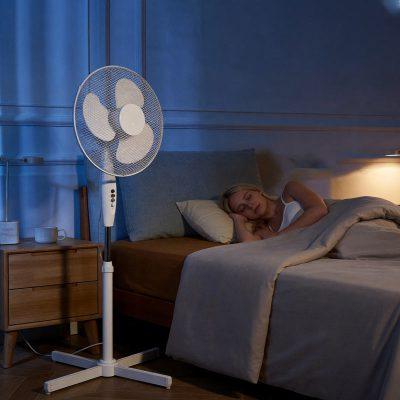
Bedrooms are often smaller spaces with limited airflow. They frequently contain thick bedding, upholstered furniture and carpets that retain warmth. Upstairs rooms naturally collect rising heat from lower floors.
Then there is the issue of sleeping itself.
Body temperature plays a crucial role in sleep quality. When rooms remain excessively warm, falling asleep becomes harder and sleep tends to be lighter and more fragmented.
Fortunately, several simple adjustments can make a noticeable difference.
Switching to lighter bedding during summer helps reduce heat retention.
Cotton sheets tend to feel cooler and more breathable than synthetic alternatives.
Keeping bedroom doors open during cooler evening hours can also improve airflow throughout the house.
Most importantly, try to release trapped heat before bedtime rather than waiting until you're already trying to sleep.
The Forgotten Value of Night Cooling
Many homeowners miss one of the most effective cooling opportunities available to them.
Nighttime.
Even during a heatwave, temperatures often drop significantly after sunset.
This creates a window of opportunity to reset indoor temperatures.
Allowing cooler night air to circulate through the home can remove much of the heat stored in walls, floors and furnishings during the day.
Think of it as preparing your home for tomorrow rather than simply reacting to today's weather.
Homes that are cooled overnight often remain noticeably more comfortable throughout the following day.
This strategy becomes particularly important during prolonged hot spells when temperatures remain elevated for several consecutive days.
Reduce Indoor Heat Sources
Weather isn't always the only reason a room feels hot.
Many homes generate considerable heat internally without people noticing.
Televisions, desktop computers, gaming consoles, cooking appliances and even lighting contribute to overall room temperature.
During summer, these small heat sources begin to add up.
A home office running multiple monitors throughout the day may feel significantly warmer than a comparable room used only occasionally.
Cooking large meals during the hottest part of the afternoon can also increase indoor temperatures.
Where possible, shifting heat-generating activities to cooler periods of the day can help reduce the overall cooling burden on your home.
Small changes often have a surprisingly large impact.
Fans Work Best as Part of a Bigger Strategy
Fans remain one of the most popular cooling solutions for good reason.
They're affordable, energy efficient and easy to use.
However, expecting a fan to solve every cooling problem by itself often leads to disappointment.
A fan doesn't actually lower air temperature.
Instead, it improves comfort by increasing airflow and helping moisture evaporate from the skin more efficiently.
This cooling sensation can be highly effective when combined with other measures.
For example, a fan becomes much more useful in a room that has already been shaded from direct sunlight and ventilated during cooler hours.
The combination of strategies is what delivers results.
Not any single product.
Making Conservatories More Comfortable
Conservatories are among the most challenging spaces to manage during summer.
Large areas of glazing allow substantial amounts of solar energy to enter.
Without proper shading and ventilation, temperatures can quickly become uncomfortable.
Fortunately, several practical solutions exist.
Roof blinds can reduce direct sunlight entering through glazed roofs.
Opening multiple vents creates better airflow.
Using lighter furnishings and avoiding heat-generating appliances inside the space can also help.
Many homeowners find that a combination of shading and ventilation makes a greater difference than any cooling device alone.
Cooling a Home Office During Hot Weather
Remote working has changed how many people experience summer heat.
A room that previously sat empty throughout the day may now be occupied for eight hours or more.
Computers, monitors and prolonged occupancy generate additional warmth.
Comfort becomes especially important when productivity depends on it.
Positioning workspaces away from direct sunlight can help.
Keeping blinds closed during peak sunshine hours often reduces screen glare while also limiting heat gain.
Taking advantage of cooler morning air before starting work can make the entire day more manageable.
A comfortable workspace isn't just about staying cool. It often leads to better concentration and reduced fatigue as well.
Think About Your Home as a System
One reason people struggle with overheating is that they focus on individual rooms rather than the property as a whole.
Heat moves.
Air moves.
Conditions in one room often affect neighbouring spaces.
Cooling becomes more effective when viewed from a whole-house perspective.
Improving airflow downstairs may help reduce temperatures upstairs.
Shading a conservatory can reduce heat spreading into adjacent rooms.
Releasing heat overnight can improve comfort throughout the property the following day.
Rather than searching for a single miracle solution, it helps to think about how different improvements work together.
Small Changes Often Deliver the Biggest Results
There is a tendency to assume that solving summer overheating requires major spending.
In reality, many of the most effective improvements are surprisingly simple.
Closing blinds before sunlight enters.
Using cooler night air effectively.
Reducing unnecessary indoor heat sources.
Improving airflow through the house.
Adjusting bedding during warmer months.
None of these changes are particularly expensive.
Yet together they can dramatically improve comfort.
The most successful approach is rarely about one product or one technique. It's about building a collection of smart habits that help your home stay cooler throughout the day.
As UK summers continue to bring more frequent periods of hot weather, understanding how homes gain and retain heat becomes increasingly valuable. A cooler home doesn't always come from powerful cooling equipment. Quite often, it comes from making better use of the space you already have.