The Emotional Journey Of Caring For A Loved One With Dementia
-
January 9, 2025 6:11 PM EST
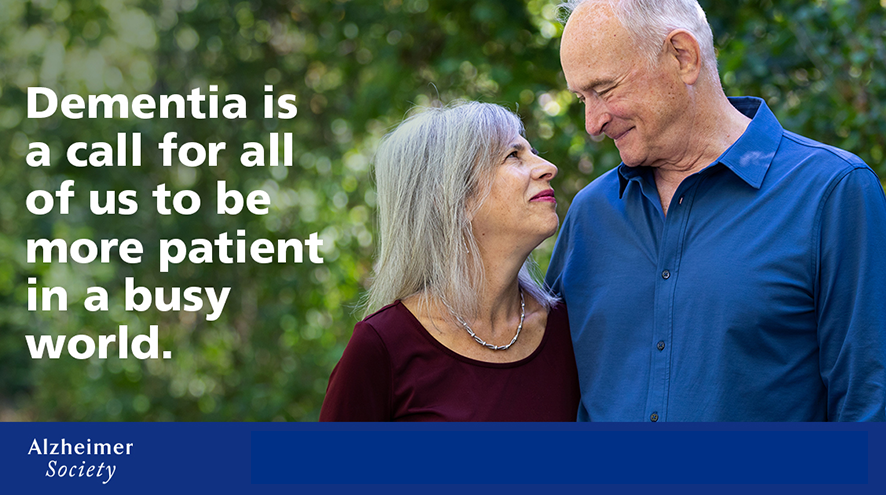
This image is courtesy of Alzheimer.ca.Did you know that nearly 50 million people worldwide are living with dementia, with Alzheimer's disease being the most common form? Caring for a loved one with this condition is not just a physical journey but an emotional one as well.
What if the person you love gradually forgets your name? The emotional toll of caring for someone with dementia, particularly Alzheimer's disease, is profound and often overwhelming.
In a world where every three seconds someone develops dementia, understanding the emotional journey of caregivers becomes crucial. This article sheds light on the personal experiences of those caring for loved ones with Alzheimer's disease, providing a roadmap through the emotional highs and lows. By exploring these stories, readers will learn effective coping mechanisms and find solace in shared experiences.
Understanding the Dementia Diagnosis
Receiving a dementia diagnosis, whether for oneself or a loved one, is often overwhelming and challenging to navigate. However, understanding the intricacies of this condition can bring clarity and empowerment. Dementia is not a single disease but rather an umbrella term that encompasses various cognitive impairments, with Alzheimer's disease being the most prevalent form. Alzheimer's accounts for 60-80% of all dementia cases, characterized by memory loss, confusion, and changes in behavior. Recognizing these symptoms early can significantly impact the management and progression of the disease.
One crucial aspect often overlooked is the individuality of each dementia experience. The progression and manifestation of symptoms can vary widely among individuals, influenced by factors such as genetics, lifestyle, and overall health. This variability underscores the importance of personalized care plans tailored to the specific needs and circumstances of each patient. Engaging in stimulating activities, maintaining social connections, and exploring innovative therapies can help manage symptoms and improve quality of life. By embracing a holistic approach, families and caregivers can better support their loved ones through this journey.
In recent years, research into dementia and Alzheimer's disease has accelerated, offering hope for future advancements in treatment and prevention. Scientists are exploring groundbreaking avenues like biomarkers for early detection and therapies targeting amyloid plaques in the brain. Staying informed about these developments not only provides hope but also equips families with knowledge to make informed decisions about care options. Understanding dementia is not just about acknowledging the challenges but also recognizing the potential for meaningful experiences and connections throughout the journey.
Initial Reactions and Emotional Overwhelm
Upon receiving a dementia diagnosis, the initial reactions can often be an intense whirlwind of emotions. For individuals diagnosed with Alzheimer's disease or another form of dementia, as well as their families, this news can trigger feelings ranging from shock and disbelief to fear and sadness. These responses are entirely natural and reflect the profound impact that such a diagnosis has on one's life and future. The realization that daily routines and long-held memories may soon be disrupted brings about a deep emotional overwhelm, which requires thoughtful navigation and support.
It's crucial to understand that these feelings of emotional overwhelm are not just confined to the person diagnosed but extend to their loved ones as well. Family members might experience anticipatory grief, mourning the gradual loss of a person's identity and independence even before it fully unfolds. This shared journey through uncertainty can strengthen bonds but also test them, highlighting the need for open communication and shared support systems. Embracing community resources and professional guidance can provide a pathway to manage these intense emotions constructively, ensuring that the initial shock does not evolve into prolonged distress.
Navigating Daily Challenges and Changes
Navigating daily challenges and changes, especially in the context of home care for seniors, can be a complex yet rewarding journey. For caregivers, each day presents unique hurdles, from managing medication schedules to ensuring the safety and comfort of their loved ones. Particularly with Alzheimer’s disease patients, the unpredictability of cognitive decline can make even routine activities daunting. It is crucial to approach these challenges with flexibility and patience, as the needs of seniors can shift rapidly and without warning.
Caregivers can benefit from creating a structured yet adaptable environment that accommodates the evolving needs of Alzheimer’s patients. This might involve implementing memory aids or altering daily routines to minimize confusion and anxiety. Additionally, fostering open communication within the caregiving team can provide fresh insights and shared strategies to tackle emerging issues. By focusing on proactive solutions and empathetic understanding, caregivers not only enhance the quality of life for seniors but also find a sense of fulfillment in their role.
Coping Strategies for Caregivers

Caring for dementia patients or those with Alzheimer's disease can be a challenging journey, demanding both emotional resilience and practical strategies. One effective coping mechanism for caregivers is establishing a structured routine. This not only helps in managing the unpredictable nature of home care for seniors but also provides a sense of stability and predictability for both the caregiver and the patient. By setting consistent daily patterns, caregivers can reduce confusion and anxiety for dementia patients, fostering a more supportive environment.
Another crucial strategy is seeking support from local community resources or support groups. These networks offer invaluable insights and shared experiences, helping caregivers navigate the complexities of their roles while also providing emotional relief. Engaging with others in similar situations can alleviate feelings of isolation and offer practical advice for managing the day-to-day challenges of caring for Alzheimer's disease patients. Additionally, leveraging technology such as reminder apps or health monitoring tools can ease the burden by streamlining medication management and appointment scheduling, ensuring that caregivers can focus more on personal connection rather than administrative tasks.
Finally, self-care should never be overlooked. Caregivers must prioritize their well-being to maintain their capacity to care for others effectively. Simple practices like regular exercise, meditation, or even short breaks throughout the day can rejuvenate one's mental and physical health. Balancing self-care with caregiving responsibilities not only enhances the caregiver's quality of life but also indirectly benefits those under their care, creating a healthier, more empathetic home care environment for seniors.
Building a Supportive Community

Creating a supportive community is essential for enhancing the well-being of home care for seniors, especially those dealing with dementia and Alzheimer's disease. Caregivers often find themselves at the heart of this community, as they provide not only physical assistance but also emotional support to their loved ones. By fostering connections among caregivers, families, and healthcare professionals, we can build a network that shares resources, experiences, and encouragement, ultimately improving the quality of life for everyone involved.
One innovative approach is the establishment of local support groups specifically tailored for caregivers of dementia patients. These groups can offer a safe space for sharing challenges and solutions, facilitating a deeper understanding of the complexities involved in caring for Alzheimer's disease patients. In addition to providing emotional relief, these gatherings can become a hub for exchanging practical tips on managing daily tasks and behaviors associated with dementia. This collaborative environment empowers caregivers, reducing feelings of isolation and stress while promoting a collective resilience that benefits both the caregivers and the seniors they care for.
Celebrating Small Victories and Joyful Moments
In the realm of home care for seniors, particularly for dementia and Alzheimer's disease patients, celebrating small victories can transform everyday routines into meaningful experiences. For caregivers, these moments offer a glimpse into the enduring capabilities and spirit of their loved ones. Whether it’s a dementia patient remembering a familiar face or an Alzheimer’s disease patient engaging with a favorite song, these small wins are not just milestones but affirmations of life’s resilience. These joyful moments provide emotional nourishment for both the caregiver and the senior, strengthening bonds and building a reservoir of positive memories.
The importance of acknowledging these victories lies in their power to enhance the quality of care. By focusing on small achievements, caregivers can shift their perspective from challenges to possibilities, fostering a more hopeful and empathetic caregiving environment. This approach not only alleviates stress but also encourages patience and understanding. For seniors, especially those with cognitive impairments, feeling seen and celebrated boosts their self-esteem and contributes to their overall well-being. In the end, these small victories are not merely fleeting instances; they are pivotal elements that redefine the caregiving experience, making it richer and more rewarding for everyone involved.
Managing Grief and Acceptance
Grief and acceptance are complex emotional landscapes that can be particularly challenging to navigate, especially for those caring for loved ones with dementia. The gradual loss of the person as they once were can evoke a profound sense of mourning, even while they are still physically present. Understanding that grief in this context is not a linear process can provide caregivers with the patience and compassion needed to cope with their own emotions. Acceptance does not mean resignation but rather finding peace in the journey, allowing caregivers to provide more effective support.
Technology plays a pivotal role in enhancing 24-hour dementia care at home, offering innovative tools that can ease both practical challenges and emotional burdens. Smart home devices can monitor safety, ensuring loved ones are secure even during unsupervised moments, while virtual assistants can offer reminders for medication and appointments. These technological solutions not only provide practical assistance but also afford caregivers precious moments of respite, enabling them to engage in self-care and process their emotions more fully. By integrating technology thoughtfully, caregivers can create a supportive environment that respects the dignity of those with dementia, fostering a space where both grief and acceptance can coexist harmoniously.
Finding Peace in the Journey
To wrap up this story, the path of caring for dementia and Alzheimer's patients is filled with unique hurdles, yet it offers profound opportunities for connection and growth. The knowledge gained from understanding these diseases can help tailor care approaches that honor the dignity and individuality of each person. By embracing flexibility and adaptability, caregivers can better navigate the unpredictable nature of these conditions. Recognizing the importance of mental health for caregivers themselves is equally essential, as it ensures sustained capacity to provide loving care. As we strive to find peace in this journey, let us remember the power of community and continued learning. Together, we can make a meaningful difference in the lives of those touched by these conditions.