Categories
Tags
-
#concrete
#asphaltplant
#Self Loading Concrete Mixer
#Concrete Batching Plant
#concrete pump
#trailer concrete pump
#Jaw Crusher
#Mobile Concrete Batching Plant
#Asphalt Mixing Plant
#concrete plant
#Crushing Plant
#crushing equipment
#crusher machines
#cone crusher
#stationary crushing plant
#Brick Making Machine
#self loader concrete mixer
#DUMP TRUCK
#Concrete Equipment
#mobile crushing plant
#Construction Equipment
#concrete pumping machinery
#concrete production
#construction machinery
#concrete mixing plant
#concrete boom pump
#selfloadingconcretemixer
#doubledrumasphaltmixingplant
#asphalt concrete
#asphalt batching plant
#concretebatchingplant
#operator of concrete mixing plant
#Aggregate Concrete Mixing Plant
#Hzs90 concrete mixer plant
#concrete pump truck
#automatic control
#concretemixerpump
#controlunit
#Belt-Type 90m³/H HZS90 Station
#concreteplant
#concretemixingplant
#concretemachinery
#concretebatchingmachinery
#Construction Materials
#crushing machine
#electric control
#dust removal equipment
#asphaltbatchingplant
#cold asphalt plant
#concrete mixing plants
#concrete plants
#control system of concrete batching plant
#mortar
#brickes
#crushingequipment
#stonecrusher
#constructioncrushingequipment
#mobile crushing equipment
#crushing machinery
#concrete pumping equipment
#concrete batching plants
#weighing methods of concrete plant
#automatic concrete batching plant
#concrete pumping control system
Archives
Usage and Maintenance of Building Crushing Equipment
-
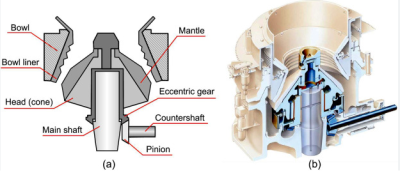
Jaw crushers and cone crushers are the core equipment for primary and intermediate crushing in aggregate production and construction waste resource utilization. Its efficient and stable operation relies on strict operating procedures and a preventive maintenance system. This article will elaborate on its key usage points and maintenance logic form a technical perspective.
Equipment Usage Standards and Operating Points
1. Pre startup inspection (must be completed item by item)
- Mechanical part
Check all fastening bolts, especially the fixing bolts of the moving jaw plate, fixed jaw plate, rolling bowl wall, and crushing wall. Check if the protective devices of the flywheel and pulley are intact. Manually rotate and confirm that there is no blockage in the rotor or cone.
- Lubrication System
Check the oil level and quality in the oil tank. For cone crushers, check if the locking cylinder oil pressure and adjusting cylinder oil pressure are within the set range. Ensure the lubrication oil circuit is unobstructed and the cooler is functioning properly.
- Crushing Chamber
Confirm that there is no residual material or foreign matter in the chamber, and that the liner wear is within the allowable range (generally, wear on one side should not exceed 2/3 of the original thickness).
- Discharge Port Adjustment
Adjust the discharge port with using a hydraulic system or shims according to the target product particle size. After adjustment, tighten the shims and record the initial settings.
2. Start-up and Loading Sequence
The principle of “Start-up against the process flow, shutdown with the process flow” must be followed.
- Start-up Sequence
Dust removal system → Finished product conveyor →Post-crushing conveyor → Crushing main unit (no-load start) → Vibration feeder. Run the machine no-load for 2-5 minutes to confirm there is abnormal vibrator or noise before starting uniform feeding.
- Feeding Requirements
Feeding must be continuous and uniform, filling the width of the feed hopper. “Squeezing” or intermittent feeding is strictly prohibited. The material size must not exceed 80%-85% of the equipment’s inlet width.
3. Monitoring Key Parameters During Operation
- Current
The main motor operating current is a key indicator. It should be stable at 75%-90% of the rated current. Sustained excessively high current may indicate overload or severe liner wear. Excessively low current may indicate insufficient feeding.
- Vibration and Noise
Use a vibration meter to monitor the bearing housing vibration value. Abnormal high-frequency knocking sounds may indicate loose or broken liners. Persistent heavy, muffled noises may indicate bearing problems or overload.
- Temperature
Bearing temperature is critical. Rolling bearing temperature must not exceed 70℃, and sliding bearing temperature must not exceed 60℃ (temperature rise not exceeding 35℃). Lubricating oil return temperature should generally be below 55℃.
- Product Particle Size
Regularly sample and sieve. If the number of excessively large particles in the finished product increases, it usually means that the liner wear has led to an enlarged discharge opening, requiring adjustment or replacement.
4. Normal Shutdown Procedure
Stop feeding. After all material in the crushing chamber has been emptied (judged by a drop in current), then sequentially stop the main unit, conveyor equipment, and dust removal system.
Emergency shutdown is only for personal safety, major abnormal noises from the equipment, breakage, material blockage, and other emergencies.
Systematic Maintenance and Upkeep System
The core of maintenance is “Prevention First, Planned Maintenance”.
1. Daily Maintenance (8-12 hours per shift)
Check and tighten bolts in key areas.
Check the lubrication system for leaks, and ensure oil level, pressure, and temperature are normal.
Check the tension of the V-belts. Adjust or replace severely worn belts.
Clean accumulated material and oil from the equipment surface and surrounding area.
2. Regular Maintenance
- Weekly Inspection
Thoroughly inspect the wear of liners and wear parts. Measure and record the actual width of the discharge port.
Check the hydraulic system connections and accumulator pressure.
- Monthly Inspection/250-500 hours
Take samples of the lubricating oil for testing. Determine whether to filter or replace it based on the results.
Clean or replace the lubricating oil filter element. Thoroughly check electrical wiring and switch contact conditions.
- Annual Inspection/Overhaul (based on operating time or crushing volume):
Replace all lubricating oil.
Disassemble and inspect the wear and clearance of core components such as the main shaft, bearings, and eccentric sleeve.
Replace all seals.
Repair or replace any worn moving and fixed jaw support surfaces.
3. Key Component Replacement and Adjustment Technical Points
- Liner Replacement
Moving and fixed jaw liners or upper and lower crushing walls must be replaced in pairs to ensure balanced crushing chamber shape and stress distribution. During installation, the contact surface between the liner and the machine body must be filled with epoxy resin or zinc alloy to ensure uniform stress and prevent loosening and wear on the machine body.
- Bearing Replacement
Hydraulic tools must be used for installation and removal. Direct hammering is strictly prohibited. Measure the clearance before installation, and the heating temperature must not exceed 120℃. The grease filling amount should be 50%-60% of the bearing’s internal space. Excessive grease will cause overheating.
- Discharge Port Adjustment (Cone Crusher)
Discharge port control is achieved by adjusting the adjusting ring on the upper part of the main shaft using the hydraulic system. During adjustment, ensure that the locking ring is fully unlocked/locked and monitor the spindle position sensor readings to ensure accurate adjustment.
Part Three Technical Analysis and Handling of Common Faults
Fault Symptoms
Possible Causes
Technical Troubleshooting and Resolution Directions
Product particle size coarsening
1. Liner wear
2. Loose or malfunctioning discharge port adjustment mechanism
1. Measure liner thickness and replace liners with excessive wear
2. Readjust and tighten the discharge port, and check the hydraulic system pressure
Increased Abnormal Vibration
1. Uneven feeding or wear on one side of the liner
2. Unbalanced flywheel or pulley
3. Loose anchor bolts or equipment foundation
4. Severely worn or damaged bearings
1. Check and even out the feeding; check and replace the liner.
2. Perform dynamic balancing.
3. Re-tighten and grout for fixation.
4. Stop the machine, check bearing clearance, and replace the bearing.
Bearing Temperature Too High
1. Insufficient, deteriorated, or incorrect grade lubricating oil
2. Improper bearing installation (too tight) or damage
3. Cooling system malfunction or excessively high ambient temperature
1. Check oil level and quality, replace with qualified lubricating oil
2. Check installation clearance, replace bearing
3. Clean the cooler and improve ventilation
Sudden shutdown of the main unit (locked rotor)
1. Material blockage in the crushing chamber (iron parts or excessively wet material)
2. Downstream material blockage caused by malfunction of the discharge conveyor equipment
3. Electrical protection (such as overcurrent) tripping
1. Clear material from the crushing chamber
2. Inspect downstream equipment
3. Before resetting, check if the mechanical parts are stuck and find out the cause of the overload
Conclusion
The efficient and long-life operation of crushing equipment is essentially a management process that combines standardized operating procedures with data-driven data (current, temperature, vibration values) and periodic preventative maintenance. Establishing detailed inspection records and maintenance files provides the data foundation for predictive maintenance and optimized replacement cycles.