Categories
Tags
-
#casino
#Millenneal Parents
#Crypto
##alternativedata #assetmanagement #financialadvisors #financialadvice #financialservices #Data #DataBase #DataMining #USA #France #Technology #UAE #Marketing
#gambling
#property
#photo
#kitchen
#123betting
##germanuniversities
#Ancelotti
#electronic recycling
##academicwritingexperts
#Best Upvc Doors in Bangalore
# bonus casino
#
Cryptocurrency Wallet Developmen
##interior #homeinterior #home #design #homedesign #modern #luxury #luxuryhome #elegant #elegantinterior #homeinterior #moderninterior #moderninteriordesign #interiordesign #furniture #homedesigner #livingroom #room #roomdesign #roomdecor
#gamblling
# study in Uk for indian students
#couple
#Humanity
##slots
Archives
What can be recycled
-
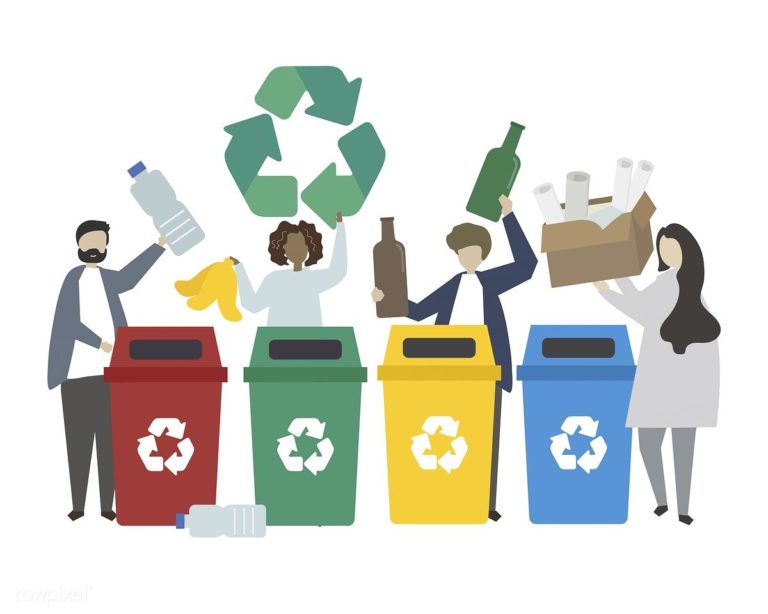
It's good to know that up to 90% of the trash can is recyclable at the recycling centre near me. The separate collection helps reduce landfills, reuse resources, save money, and create a clean and healthy environment.
Plastic
First are bottles, caps, bags, film, food packaging, containers for cosmetics, cleaning products, detergents, toothbrushes, and dishes.
However, not all plastic is recycled. Marking will help to calculate the "outcasts." Items with PVC(3), O(7), and ABS labels are very difficult to recycle, so it's best to stop using them altogether. The rest of the plastic should be handed over clean and dry - dirty and wet recyclables are practically unsuitable for sorting and recycling.
Waste paper
These are books, office paper, boxes, cardboard, albums, newspapers, magazines, notebooks, and paper packaging marked 20, 21, and 22 (PAP).
Unfortunately, laminated paper products are not recyclable, so the expensive paper is more likely to end up in a landfill or an incinerator. Before delivery, free the waste paper from metal and plastic items: staples, covers, files, paper clips, etc. This will significantly increase the volume of waste paper recycling.
Metal
Cans, aluminum cans, and other all-metal objects can get a second life. And also foil and disposable aluminum containers.
Glass
Glass without impurities and coatings is subject to processing. These are unbroken jars, bottles, vials, and vials.
Textile
Suitable for reuse are primarily fabrics made from natural fibers - cotton, wool, linen, silk, and others, as well as mixed and synthetic ones. But clothes are difficult to recycle because of the fittings on them. You can extend the life of textile items by giving them to those in need.
Only recycle items that can no longer be used for their intended purpose. Clothes, blankets, pillows, bed linen, curtains, and tablecloths in good condition are best donated to foundations that help homeless people and animals.
Hazardous waste
These include batteries, car batteries, lamps, mercury thermometers, used oils, and other types of garbage.
Hazardous waste should be stored in tightly closed containers to protect yourself and your loved ones from harmful fumes, fragments, and other troubles. Batteries and accumulators can be handed over in electronics, household appliance stores, and used oil and batteries from cars - in car services. The rest must be carried to specialized collection points that have licenses.
Household and kitchen appliances
Televisions, VCRs, refrigerators, washing machines, dishwashers, microwave ovens, toasters, cookers, and food processors can all be turned in at a profit.
Many electronics and home appliance stores regularly hold promotions for recycling old devices and equipment in exchange for discounts on new products. Follow similar advertisements on websites and in social networks of stores. But remember that you will have to pay for removing old equipment in most cases.
What can't be recycled?
Unfortunately, there are few places where silicone products, cosmetics, household chemicals, foam rubber, toothpaste and creams, dishes, kitchen utensils, bags, mattresses, pillows and blankets, rugs, children's toys, including Lego-type construction sets, are accepted for recycling. , pill blisters, dish sponges, balloons, shoe covers, biodegradable plastic bags, diapers, and tea bags.
What to do with all this garbage? First, try to avoid buying what cannot be recycled once again. Secondly, to prolong the life of things: give them to friends, sell them on trading floors, and donate to charity. In addition, many items can find new uses.
December 18, 2022- -
-
Report