Categories
- All Categories
- Technology
- Health
- Other
- Arts & Culture
- Business
- Shopping
- Family & Home
- Entertainment
- Personal
Tags
-
#games
#movies
#123movies
#Motorcycle
#fun88
#quran tafseer course
#word game
#DMX splitter
#trivia games for adults
#Smart Pole
#Ceramic coating Toronto
#Landing Craft
#bali construction
#bologna airport to Florence
#wholesale Mig welder
#etched metal nameplates
#Wedding Planner in Istanbul
#CBR1000RR fairing kit
#Renovations in Bali
#cosy homeer
#Indoor stair treads
#industrial curtain rods
#wrap around curtain rod
#Alice in Wonderland live show in Istanbul
#client onboarding
#Ombre gel nail polish
Archives
The Etching Plate Process: How Etched Metal Nameplates Are Made
-
The Etching Plate Process: How Etched Metal Nameplates Are Made for Long-Lasting Labels
When it comes to labels that need to endure the test of time, etched metal nameplates stand out as the gold standard. These nameplates are critical in industries like aerospace, manufacturing, and marine equipment, where durability and legibility are non-negotiable. But what exactly goes into producing these long-lasting labels?
This guide takes you through the etching plate process, showing you the step-by-step procedure behind the production of metal nameplates that are as functional as they are resilient.
What Is An Etched Metal Nameplate?
Etched metal nameplates are durable plates, typically made from materials like aluminum, stainless steel, or brass, featuring precision-etched designs or text. These plates are commonly used for industrial labeling, machinery identification, safety instructions, and branding in harsh environments.
The secret to their durability lies in the etching process. Unlike printed labels, which can fade, peel, or scratch, etched nameplates embed information into the metal itself, ensuring the data remains visible even under extreme conditions.
Why Choose Etched Metal Nameplates?
Before we explore the fascinating etching process, let's take a moment to understand their benefits. Why have so many industries chosen to rely on these durable plates over other alternatives?
- Unmatched Durability
Etched nameplates are highly resistant to wear, corrosion, and fading. This makes them ideal for applications in harsh conditions, like chemical plants or outdoor environments.
- Precision and Clarity
The etching process enables intricate details and clean lines, ensuring legibility even in small fonts or detailed designs.
- Versatility in Material Choices
Multiple metals, such as stainless steel's corrosion resistance or brass’s aesthetic appeal, can be used depending on the application’s need.
- Customizability
From QR codes to company logos, etched nameplates offer endless customization options to meet unique specifications.
Now that the benefits are clear, let's demystify the production process behind these dependable labels.
The Etching Plate Process Explained
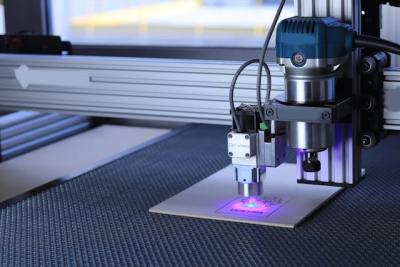
The creation process for etched metal nameplates is sophisticated, combining craftsmanship with technology. Below, we break it down step by step.
Step 1: Material Selection
The first step involves selecting the appropriate metal. The choice of material depends on the specific requirements of the nameplate’s application:
- Stainless Steel – Often used for its incredible durability and resistance to rust or corrosion.
- Aluminum – Lightweight yet durable, aluminum is common in aerospace.
- Brass – Chosen for its elegant appearance, perfect for decorative applications.
The thickness of the metal is also important as it impacts the durability of the final product.
Step 2: Preparing the Surface
Once the material is selected, the metal sheets are cleaned and polished to ensure they are free of dust, oils, and other contaminants that could interfere with the etching process. This step guarantees that the surface is pristine and ready for design transfer.
Step 3: Designing the Nameplate
The design is created digitally, using specialized software, and includes the text, logos, patterns, or barcodes tailored to the client’s needs. Accuracy at this stage is paramount, as even minor errors in the template can impact the final product.
The design is then applied to the metal’s surface using protective masking. This masking protects the areas that shouldn't be etched, letting the acid work only on the exposed sections.
Step 4: Chemical Etching
The magic happens here. Using acid etching, controlled amounts of chemical agents (typically ferric chloride for stainless steel or nitric acid for brass) are applied to the uncovered areas of the metal. These chemicals dissolve the metal’s exposed sections, creating depressions that form the etched design.
This step requires careful timing to balance depth precision with the clarity of the details. Deeper etches ensure more durability — especially vital for harsh environments where wear and tear are expected.
Step 5: Post-Etching Cleaning
Once the etching is complete, the masking is removed from the metal plate, and the surface is meticulously cleaned. At this stage, what is left behind is a beautifully etched nameplate, but there’s more to add for the finished look.
Step 6: Finishes and Coatings
Depending on the application and aesthetic requirements, additional finishes may be applied to the nameplate. These include:
- Anodizing (for aluminum plates): Enhances corrosion resistance and allows the addition of colors.
- Paint Filling: Adds color to the etched areas for improved contrast and visibility.
- Protective Coatings: Sealers and varnishes help extend nameplate life by providing additional protection from scratches and harsh elements.
Step 7: Quality Control Inspection
Every etched metal nameplate undergoes rigorous inspection to ensure it meets the specified tolerances and design standards. This final check ensures that the product maintains its integrity and is free from defects before being sent out to the customer.
Step 8: Packaging and Delivery
The nameplates are packaged securely to prevent damage during transportation. Depending on the order size and complexity, some manufacturers offer customizable mounting solutions such as adhesive backing, screws, or rivets for easy installation.
Etched Metal Nameplate Applications
The versatility and durability of etched nameplates make them suitable for a wide variety of industries and uses:
- Industrial Equipment – Identification and instruction plates on machinery and equipment.
- Marine Environments – Resistant to rust and corrosion, perfect for offshore or boating applications.
- Safety Signage – Highly visible and durable for safety-critical environments like construction sites.
- Product Branding – Nameplates and logos that add a premium look to products such as appliances or designer furniture.
Elevating Your Nameplates with Etching
The etching plate process is more than just crafting durable nameplates—it’s a meticulous dance between technology and artistry. Whether you’re ensuring compliance with safety regulations or elevating a brand with sleek product labeling, etched nameplates are the ultimate solution for achieving unparalleled durability and design precision.
If you’re ready to invest in nameplates that will stand the test of time, get in touch with a reputable manufacturer to bring your designs to life. With superior longevity, unparalleled quality, and virtually limitless customization options, etched metal nameplates are the perfect fit for a variety of applications.