Categories
Tags
-
#Travel
#adventure
#trekking
#annapurna base camp trek
# sports
# travel
#trekking in nepal
##adventure
#nepal
#Pisang Peak
#Peak Climbing
#Himalayas
#Kanchenjunga North Base Camp
#Himlung Expedition
#Peak Climbing in Nepal
#Kanchenjunga Circuit Trek
#Baruntse Expedition
#Mardi Trek
#Mountaineering in Nepal
#Poon Hill
#Khopra Ridge Trek
#Langtang Tamang Heritage Trek
#Everest High Pass Trek
#Ama Dablam
#Langtang Gosaikunda Trek
#Chulu Far East Peak
#Island Peak Climbing
#Chulu West
#Tsum Valley Trek
#Langtang Valley Trek
#Canyoning in Nepal
Archives
What are the Risks Involved in Island Peak Climbing?
-
Posted by TravelTranquility Nepal Filed in Other #Travel #adventure #trekking in nepal #nepal #Himalayas #Island Peak Climbing 47 views
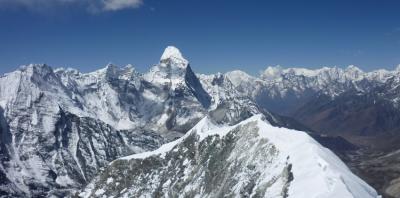
Imja Tse, or Island Peak, is one of Nepal’s most renowned trekking peaks. Standing at 6,189 meters, it’s a difficult climb with breathtaking vistas and a sense of accomplishment. However, like any high-altitude treks, it has risks. In this blog, I’ll discuss some of these concerns and offer my own experiences to help you understand what to expect and how to prepare.
Altitude Sickness
The Reality of High Altitude
Altitude sickness is one of the most significant risks when climbing Island Peak. As you ascend, the air becomes thinner, making it harder for your body to get the oxygen it needs. This can lead to symptoms like headaches, nausea, dizziness, and fatigue. In severe cases, it can cause life-threatening conditions like High Altitude Pulmonary Edema (HAPE) or High Altitude Cerebral Edema (HACE).
Weather Conditions
Unpredictable Weather
The weather in the Himalayas can be unpredictable and change rapidly. You might start the day with clear skies and end it in a snowstorm. These sudden changes can be dangerous, leading to hypothermia or frostbite.
My Experience
During my climb, we faced a sudden snowstorm. The visibility dropped, and the temperature plummeted. I could feel the cold seeping through my layers of clothing. It was a stark reminder of how vulnerable we are to nature’s forces. We had to huddle together, supporting each other to stay warm and safe until the storm passed.
Technical Challenges
The Physical Demands
Island Peak is not just a walk in the park. It involves technical climbing, including crossing crevasses, climbing ice walls, and navigating through rocky terrains. These challenges require physical strength, stamina, and technical skills.
My Experience
I underestimated the technical aspects of the climb. Crossing the crevasses was particularly nerve-wracking. Each step had to be precise, and there was no room for error. I remember the feeling of my heart pounding in my chest as I carefully placed my feet on the narrow ladders.
Equipment Failure
The Risk of Faulty Gear
Using the right equipment is crucial for a safe climb. However, there’s always a risk of equipment failure, which can be disastrous in a high-altitude environment. A broken crampon or a faulty rope can turn a challenging climb into a dangerous situation.
Physical Exhaustion
The Toll on Your Body
Climbing Island Peak is physically demanding. The long hours of trekking, combined with the high altitude, can lead to extreme physical exhaustion. This can impair your judgment and slow your reactions, increasing the risk of accidents.
My Experience
I vividly remember the sheer exhaustion I felt as we approached the summit. Every step was a struggle, and my body was screaming for rest. It was a battle of willpower to keep moving forward. The support and encouragement from my team were what kept me going.
Preparation and Precaution
Training and Acclimatization
To mitigate these risks, proper preparation is essential. This includes physical training, acclimatizing to the altitude, and familiarizing yourself with the necessary technical skills. Additionally, having a well-equipped and experienced guide can make a significant difference.
My Advice
If you’re planning to climb Island Peak, take your training seriously. Spend time at high altitudes to help your body adjust, and practice your technical skills. Make sure you have reliable gear and don’t hesitate to turn back if conditions become unsafe. Your safety is the most important thing.
Conclusion
Climbing Island Peak is an exciting and gratifying experience, but it is not without risks. Understanding and planning for these dangers can help make your climb safer and more pleasant. Remember that reaching the top isn’t the only goal; you also want to return safely to tell your tale. When I reflect on my climb, I remember not only the spectacular sights, but also the hardships and the support of my teammates. It was an event that pushed my limits and taught me the value of planning, collaboration, and respect for nature’s force.