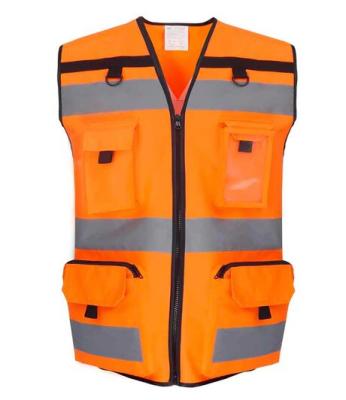
How Comfortable Workwear Enhances Employee Well-being
In today’s evolving work culture, companies are increasingly focusing on ways to improve employee well-being. While topics such as mental health support, flexible hours, and employee engagement often dominate the conversation, comfortable workwear is another essential, yet frequently overlooked, factor in boosting employee well-being. The right clothing choices in the workplace can play a crucial role in how employees feel, both physically and mentally. In this blog, we’ll dive into how comfortable workwear directly impacts employee well-being and why it’s worth prioritizing in every work environment.
Comfort and Mental Well-being
Mental well-being in the workplace is essential for maintaining productivity, creativity, and a positive work environment. Believe it or not, the clothes employees wear can have a significant effect on their mental state. Comfortable workwear contributes to reducing stress, helping employees focus on their tasks without worrying about tight, itchy, or ill-fitting clothing.
Imagine being in a meeting and constantly tugging at a stiff collar or feeling restricted in a tight skirt. It’s not just a small annoyance—it can affect confidence, engagement, and the ability to communicate effectively. Comfortable workwear removes these distractions, allowing employees to concentrate on their work and interactions with colleagues, ultimately promoting a positive mental state.
Physical Comfort Equals Less Stress
We all know that physical discomfort can quickly translate into mental strain. When employees are physically uncomfortable, their stress levels can rise. Whether it’s due to poor footwear causing foot pain or tight clothing leading to poor posture, discomfort adds unnecessary pressure to the workday.
Providing comfortable, well-fitted workwear—whether it’s ergonomic shoes, breathable fabrics, or flexible clothing designs—can greatly reduce physical stress. This helps employees stay focused and relaxed, improving their overall well-being. It’s not just about luxury; it’s about ensuring employees can work comfortably for extended periods without suffering from aches, pains, or distractions.
The Role of Comfortable Footwear
One of the most significant elements of comfortable workwear is proper footwear. Whether employees are on their feet all day or sitting behind a desk, the right shoes make a world of difference. Comfortable, supportive footwear prevents long-term health issues such as back pain, foot problems, and circulation issues. Shoes designed with ergonomics in mind can relieve pressure on joints and muscles, allowing employees to move freely and stand for longer periods without fatigue.
For those in active industries, such as healthcare, retail, or construction, this is particularly important. However, even office workers can benefit from comfortable shoes that support good posture and prevent discomfort during long hours at a desk.
Breathable Fabrics for Enhanced Comfort
Temperature plays a key role in how comfortable employees feel throughout the day. When employees wear clothing made from breathable, moisture-wicking fabrics, it helps regulate their body temperature, preventing overheating or discomfort from sweating.
Fabrics such as cotton, bamboo, and certain synthetic blends allow air to circulate freely, making them ideal for work environments that vary in temperature. Whether employees are working in hot outdoor conditions, a stuffy office, or an air-conditioned space, breathable fabrics keep them comfortable and focused. This not only boosts their well-being but also keeps them productive throughout the day.
The Link Between Posture and Comfortable Workwear
Poor posture is one of the leading causes of back pain, neck strain, and fatigue in the workplace. Surprisingly, the clothes we wear can either improve or worsen our posture. Tight, restrictive clothing can make it difficult to sit or stand properly, leading to slouching and muscle tension.
Workwear designed with comfort and movement in mind can help promote better posture. For example, flexible, well-fitted clothing allows employees to maintain a neutral spine position whether they are sitting or standing. When employees wear clothes that don’t restrict their movement, they are less likely to suffer from muscle stiffness or back pain, improving their physical health and overall well-being.
How Comfortable Workwear Influences Confidence
Comfortable workwear not only impacts physical and mental well-being but also has a profound effect on confidence. When employees feel good in what they’re wearing, they tend to perform better. Wearing clothes that fit well, feel good, and look professional can boost an employee’s self-esteem, making them more confident in their role.
In contrast, uncomfortable or ill-fitting clothing can make employees feel self-conscious, potentially affecting how they interact with others or approach tasks. By offering comfortable yet professional clothing options, companies can ensure that employees feel confident and empowered to take on their work with pride.
Improving Employee Morale Through Comfortable Workwear
Employee morale is crucial for maintaining a positive and productive work environment. When employees feel taken care of, they are more likely to stay engaged, motivated, and satisfied with their job. Providing comfortable workwear is one way to show that a company values its employees’ well-being.
For example, offering ergonomic uniforms or allowing for flexible dress codes that prioritize comfort can significantly improve how employees feel about their workplace. A simple investment in high-quality, comfortable workwear can have a lasting impact on employee satisfaction, leading to better morale and reduced turnover rates.
Tailoring Workwear for Different Roles
Not all work environments are the same, and neither are the workwear needs. In industries where employees are constantly on the move, such as hospitality, retail, or healthcare, clothing needs to be both durable and comfortable. On the other hand, office workers might prefer smart-casual attire that blends comfort with professionalism.
Companies should tailor their workwear policies to suit the specific needs of their workforce. For instance, providing breathable, flexible fabrics for active roles, and offering comfortable, business-casual options for desk jobs, can go a long way in enhancing overall employee well-being.
Comfortable Workwear in Remote and Hybrid Workplaces
As more businesses shift toward remote and hybrid work models, the concept of comfortable workwear has taken on new significance. While many employees working from home may have gotten used to casual attire, returning to the office doesn't have to mean sacrificing comfort for professionalism.
Companies can adopt flexible dress codes that allow employees to wear clothing that strikes a balance between professionalism and comfort. Offering options like smart-casual attire, breathable fabrics, and ergonomic footwear ensures that employees maintain the comfort they enjoyed while working remotely, even as they transition back to the office.
Boosting Productivity with Comfortable Workwear
It’s not just well-being that benefits from comfortable workwear—productivity is a key factor too. When employees feel physically at ease, they’re less distracted by discomfort and more focused on their tasks. This naturally leads to improved work output and efficiency.
In fact, comfortable workwear can reduce the number of breaks employees need to take due to discomfort or fatigue, leading to more continuous and productive work hours. By removing the distractions caused by ill-fitting or restrictive clothing, companies can foster a work environment where employees can focus on their tasks and perform at their best.
Conclusion: The Power of Comfort in the Workplace
Comfortable workwear is not just a perk; it’s a powerful tool that enhances employee well-being in multiple ways. By reducing physical discomfort, improving posture, boosting confidence, and lowering stress levels, companies can create a more supportive and productive work environment. Whether through ergonomic uniforms, flexible dress codes, or breathable fabrics, businesses that prioritize employee comfort will see the benefits reflected in both employee satisfaction and performance.
FAQs
1. Why is comfortable workwear important for employee well-being?
Comfortable workwear reduces physical discomfort, stress, and distraction, allowing employees to focus on their tasks and feel better throughout the day.
2. Can comfortable workwear improve mental health?
Yes, comfortable workwear reduces stress and increases confidence, contributing to better mental well-being in the workplace.
3. What are the benefits of ergonomic workwear?
Ergonomic workwear supports good posture, reduces strain on muscles and joints, and prevents long-term health issues, improving overall physical well-being.
4. How does comfortable footwear affect employee health?
Comfortable, supportive footwear prevents issues like foot pain, back problems, and poor circulation, allowing employees to stay comfortable and productive throughout the day.
5. Can flexible dress codes boost productivity?
Absolutely! Flexible dress codes that allow for comfortable clothing choices reduce distractions, promote focus, and enhance employee satisfaction, leading to better productivity.