Categories
Tags
-
#Zoom and Microsoft Teams
#af international school of languages
#P11 multifamily marketing company
#Dentist in Colorado Springs
#social disability lawyers
#appellate practice attorney
#Plant-based milk recipe developers
#Baseball Glove Conditioning Break-In
#food product development
#Court Decision
#Rolled Bat
#lawyer for disability
#rolled fastpitch softball bats
#Disability lawyers tampa
#wedding photography shot list
#essential photo moments
#comprehensive shot checklist
#Florida appeal lawyers
#Wedding Photography New Jersey
#Kirkland Chiropractor Clinic
#Jaca rare sugar
#brown sugar
#cybersecurity online course
Archives
Many Gluten-free Products are High in Sugar and Calories
-
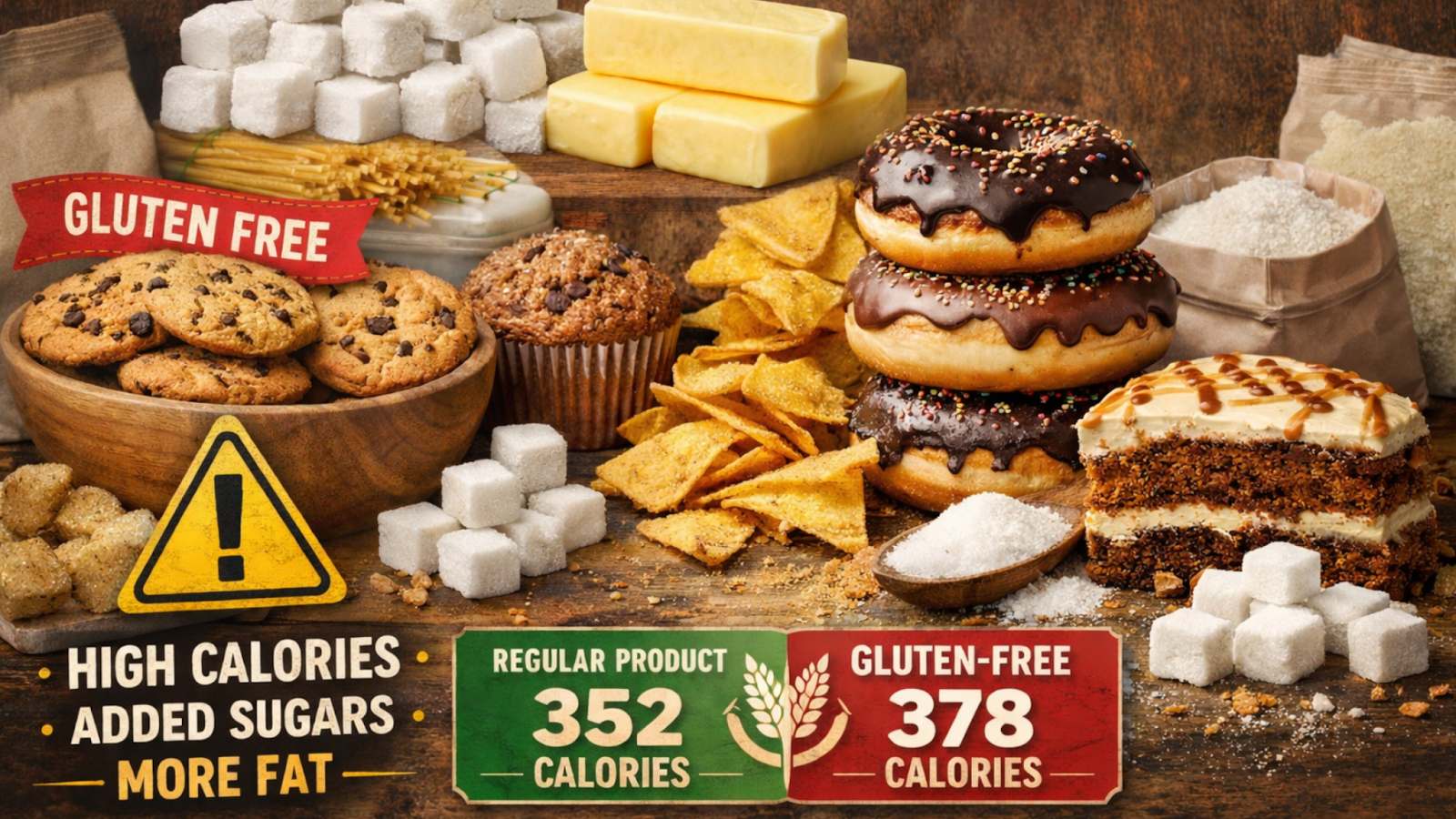
The gluten-free movement started around two decades ago as a medicinal intervention for a small percentage of the population suffering from celiac disease. Now it is a multi-billion-dollar wellness industry valued at approximately USD 7.28 billion in 2024. By 2032, it will be USD 13.81 billion.
However, the “health halo” effect is often cited as the reason behind the popularity of gluten-free foods. Customers just perceive a product as healthy because it lacks a specific ingredient. The reality is that many gluten-free alternatives have significantly higher amounts of calories, sugar, and fat.
The Biochemical and Functional Role of Gluten in Food Systems
Gluten is composed of two primary prolamin fractions: gliadin and glutenin. These proteins act as the "glue" that provides dough with viscoelasticity. When gluten is removed, the remaining components are primarily starch, which cannot maintain the shape and texture of baked goods.
So, manufacturers utilize a complex array of alternative starches, hydrocolloids, and chemical additives. Corn starch, rice flour, potato starch, and tapioca starch are common replacements. However, they are highly refined and have a higher glycemic index.
Functional Role of Gluten
Replacement Strategy in GF Foods
Nutritional Consequence
Gas Retention / Rise
Hydrocolloids (Xanthan gum, Guar gum, HPMC)
Potentially alters gut microbiome
Viscoelasticity / Chewiness
Refined Starches (Rice, Corn, Tapioca)
Higher glycemic load and carbohydrate density
Moisture Retention
Added Sugars and Lipids
Increased caloric density and sugar intake
Browning
Residual Sugars and Invert Sugars
Elevated sugar content
Structural Integrity
Saturated Fats and Emulsifiers
Higher levels of saturated fat
Macro-Nutritional Disparities: The Caloric and Sugar Surplus
Researchers at Clemson University compared 39 gluten-free products with their direct gluten-containing counterparts from the same manufacturers. They found that gluten-free products contained, on average, 5% more sugar. Bakery products contained the highest average sugar levels, not only for taste but also to compensate for the lack of texture and flavor provided by wheat proteins.
The average calorie content for gluten-free items was 377.88 kilocalories per 100 grams, while it was 352.02 kilocalories per 100 grams for regular products. Carbohydrate and fat levels were also high.
The Technological Necessity of Sugar and Fat in Replacement Formulations
Adding sugar and fat to gluten-free foods is a technical requirement. Sugar is a multifunctional ingredient that influences the structure, color, and shelf life of a product.
Regulating Moisture and Texture
Sugar is a hygroscopic agent, attracting and binding water molecules. Products are prone to rapid staling and a dry, crumbly texture in gluten-free baking. Sugar helps retain moisture and extend shelf life. Sugars like sucrose, glucose, and fructose are consumed by yeasts to produce the carbon dioxide necessary for dough expansion.
Gluten-free doughs lack the strength to hold gas bubbles. Therefore, sugar and hydrocolloids are used to modulate viscosity. Adding old-school sugar also makes the product more calorie-dense.
Caramelization and the Maillard Reaction
Gluten-free bread often lacks a traditional golden-brown crust and complex aroma. These sensory qualities are the result of non-enzymatic browning reactions (specifically caramelization and the Maillard reaction).
The Maillard reaction occurs when reducing sugars react with amino acids at high temperatures. As gluten-free flours are naturally lower in protein, manufacturers add extra reducing sugars to facilitate these reactions.
Lipid Role in Structure and Palatability
Gluten-free formulations make aggressive use of fats to improve mouthfeel and "shorten" the texture. Fat is added to gluten-free pizza crust to make it more tender. This increased reliance on lipids contributes to the overall caloric density of the product.
Natural sweeteners such as brown sugar can be used in place of old-school sugar for baking. However, many natural and artificial sweeteners are not low-calorie sweeteners.
Jaca rare sugar is a conventional sugar substitute that is gluten-free, diabetic friendly, zero-calorie, zero glycemic index, FODMAP-friendly, and a keto-friendly natural sweetener that melts, browns, and caramelizes like old school sugar. It is perfect for cooking and baking at home.
Innovation in Gluten-Free Manufacturing
The food industry is currently in a state of "Nutrition Revolution."
The following are the key innovations:
Protein Enrichment
Protein content can be matched to that of wheat by incorporating pea protein, soy protein isolates, or egg whites.
Advanced Fiber Sources
Texture and digestive health can be improved using psyllium husk, bamboo fiber, or citrus fiber.
Sugar Substitutes
Natural sweeteners such as Jaca rare sugar provide the technical benefits of traditional sugar with zero glycemic impact.
Don’t forget to check Jaca YouTube channel!