Categories
Tags
Archives
What are the Types of Dry Cell Batteries?
-
Introduction to Dry Cell Batteries
A dry cell battery represents one of the most popular power sources in daily life, as they are used to provide portable power to various devices such as remote controls, flashlights, etc. Dry cell batteries use paste electrolyte, unlike wet cell batteries, which use liquid electrolyte, and are therefore safer, smaller and will not leak during normal operation. The diverse forms of dry cell batteries have been invented over the years to suit different requirements. The types vary in their chemistry, cost, durability, as well as performance. The awareness of the primary classes, including zinc-carbon, alkaline, silver oxide, and lithium, will assist consumers in making the right choices when choosing the appropriate source of power.
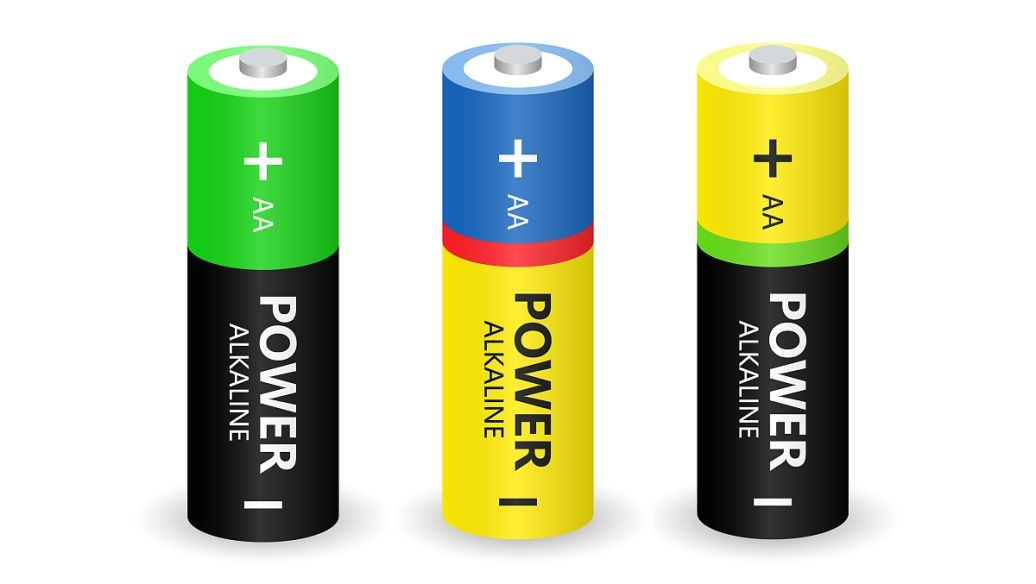
Zinc-Carbon Batteries: The Traditional Option
Zinc-carbon battery is one of the oldest and most widespread dry cells, commonly known as the general-purpose battery. These batteries combine a zinc anode, a manganese dioxide cathode, with an electrolyte paste made of ammonium chloride or zinc chloride. They are cheap to fabricate, but are used in low-drain applications such as clocks, TV remote controls and basic flashlights. Nevertheless, zinc-carbon batteries have a lower lifespan than other dry cells, and they tend to leak when they are used extensively or kept in store. However, their low price remains appealing to entry-level home use in spite of such shortcomings.
Alkaline Batteries: The Popular Standard
The other important type is the alkaline battery that has, to some extent, taken the place of the zinc-carbon cells in most applications. Alkaline batteries incorporate a zinc anode and a manganese dioxide cathode; however, the electrolyte is an alkaline potassium hydroxide in place of the acidic ammonium chloride. This chemistry provides them with much higher energy density, extended shelf life and more predictable power output. The alkaline batteries are suited to medium and high-drain devices like digital cameras, toys, and portable radios. They are a bit more costly than zinc-carbon, but they have better performance and reliability, hence they are currently the most used type of dry cell battery in the United States.
Specialized Batteries: Silver Oxide and Lithium
Other than zinc-carbon and alkaline, there are specialized dry cell batteries, including silver oxide and lithium cells. Silver oxide batteries find applications in small electronics such as watches, calculators and hearing aids since it is a stable voltage source as well as the small size. Instead, lithium dry cells have a long shelf life due to their very high energy density of up to 10 years plus. They are usually used in machines that may need to be used long before they are discharged, e.g., medical instruments, key fobs, and some cameras. Although superior in cost, their performance is essential to allow their use in specialized applications.
Conclusion: Choosing the Right Dry Cell Battery
Finally, dry cell batteries are of various types, and each is specific to application situations. Zinc-carbon batteries are cheap but have poor performance, whereas alkaline batteries offer the best balance of purchase price, life cycle, and power output to most appliances in the home. More advanced requirements use silver oxide and lithium dry cells, which are more efficient and stable at a higher cost. Through the awareness of the distinctions between these types of stuff, consumers are able to make appropriate choices with the most appropriate type of stuff to utilize in their devices, not only at low costs but also at a high source of energy. With the improvement of technology, newer formulations keep on enhancing the performance of dry cell batteries.