Categories
Tags
Archives
Can a Battery Reconditioner Work on AA or AAA Batteries?
-
Battery reconditioners are devices designed to restore and extend the lifespan of old, degraded batteries, typically by reversing the chemical processes that lead to capacity loss. However, when it comes to AA and AAA batteries, the answer is not as straightforward. In general, battery reconditioners are more effective on certain types of rechargeable batteries, such as lead-acid, nickel-cadmium (NiCd), and nickel-metal hydride (NiMH) cells. These types of batteries are commonly used in power tools, vehicles, and other high-drain devices, making them more suited for reconditioning. While AA and AAA batteries are often alkaline or rechargeable NiMH batteries, their reconditioning potential can vary significantly.
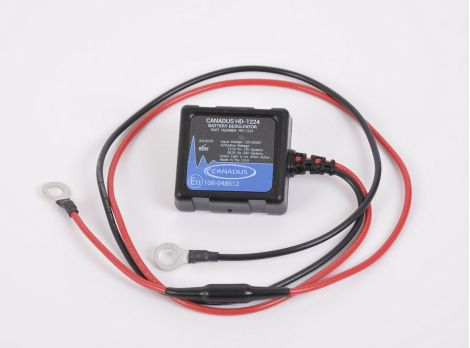
Alkaline AA and AAA Batteries
For alkaline AA or AAA batteries, the reconditioning process is much less effective. Alkaline batteries work by using a chemical reaction that gradually depletes their capacity over time. Once the electrolyte inside an alkaline battery has been depleted or its internal structure damaged, it's difficult, if not impossible, to fully restore its function. Battery reconditioners typically cannot reverse this damage in alkaline batteries, and attempting to do so could be risky, as there’s a chance of leakage or rupture if the battery is already too far gone.
Rechargeable AA and AAA Batteries
On the other hand, rechargeable AA and AAA batteries, particularly those that use NiMH (Nickel-Metal Hydride) chemistry, may benefit from reconditioning with a suitable device. NiMH batteries tend to suffer from the “memory effect”, where they lose their ability to hold a full charge if they aren’t discharged completely before recharging. This issue can often be alleviated by a battery reconditioner, which helps to de-sulfate the cells and restore some of their lost capacity. However, reconditioning will not work miracles and may only extend the battery’s life for a limited period, depending on its age and condition.
How Battery Reconditioners Work
Battery reconditioners designed for AA and AAA batteries typically use a pulse charge technique that sends electrical impulses into the battery to break up crystalline formations, such as those that cause the memory effect in NiMH batteries. This method helps to reset the battery’s capacity and allow it to hold a charge more effectively. However, it's important to note that reconditioning a rechargeable AA or AAA battery is not always a permanent solution, and the effectiveness of this process will depend on how badly the battery has degraded over time. In some cases, it may simply be more cost-effective to replace the battery entirely.
Are AA and AAA Batteries Worth Reconditioning?
While AA and AAA batteries are widely available and affordable, particularly for devices like remote controls, flashlights, and small electronics, the long-term effectiveness of reconditioning them is often limited. In contrast, reconditioning larger, more expensive batteries, like those used in cars, power tools, or even solar storage, may offer a better return on investment since these batteries are more costly to replace. For those using rechargeable AA or AAA batteries in high-drain applications, such as cameras or electric toys, a reconditioner can be a good option to maximize battery life before deciding to purchase a new set.
Conclusion
In conclusion, while a battery reconditioner can work on AA and AAA batteries, its effectiveness is highly dependent on the battery's type (alkaline vs. rechargeable), age, and level of degradation. Reconditioning is more suited for rechargeable NiMH AA and AAA batteries that have suffered from the memory effect or reduced capacity, but it's unlikely to restore alkaline batteries or those in poor condition. For best results, always follow the manufacturer's instructions for your reconditioner and consider replacing batteries that are too far gone to achieve meaningful results.