Categories
Tags
Archives
Can a Battery Tender Damage a Battery?
-
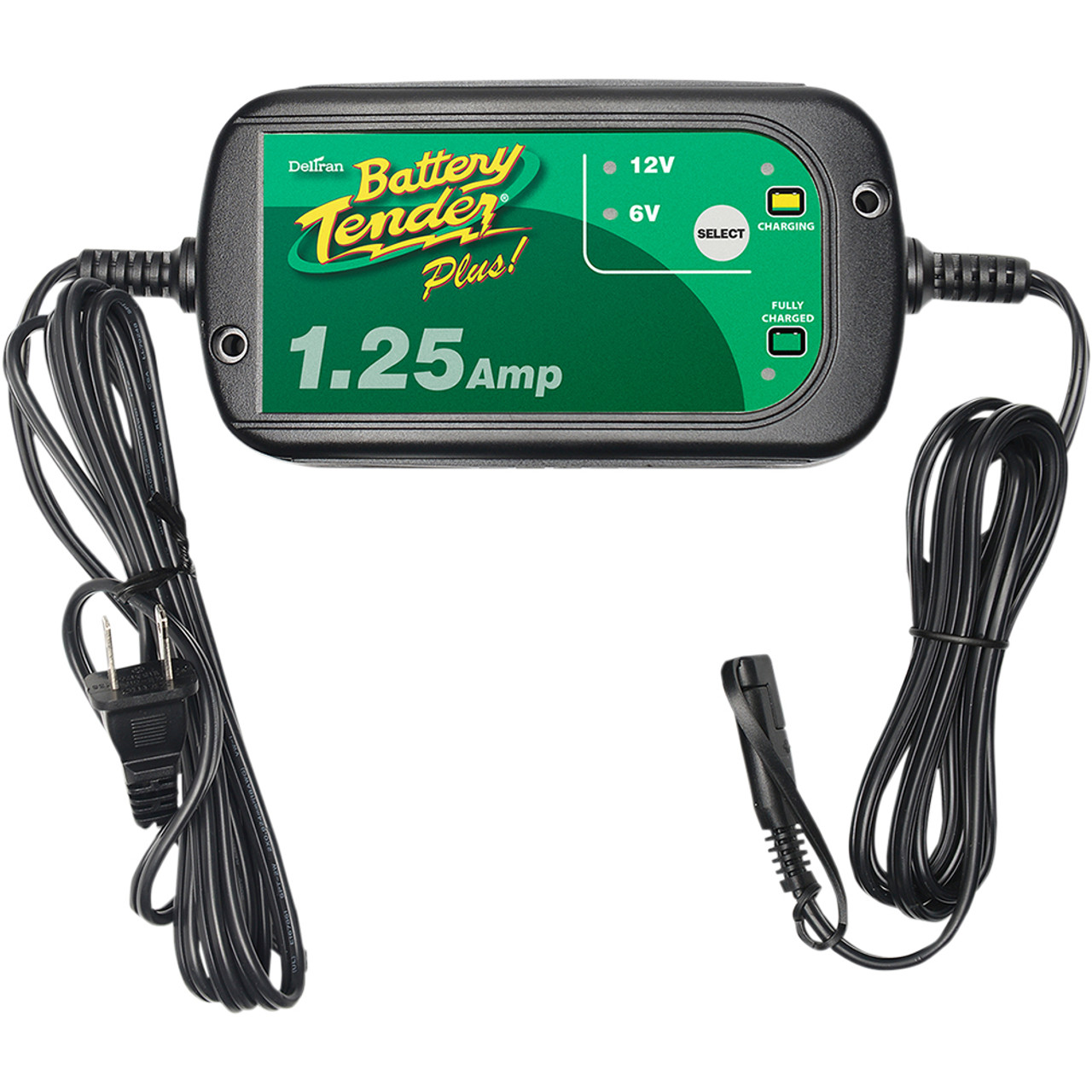
Battery tenders are widely used to maintain the health and charge of automotive, motorcycle, marine, and power-sport batteries. Because they are designed to deliver a controlled, low-current charge, many users assume they are completely risk-free. However, like any charging device, a battery tender can cause harm under certain circumstances. Understanding how battery tenders work—and where potential problems may arise—helps users avoid unnecessary damage and get the longest life possible from their batteries. While modern maintainers include safety features, misuse, incorrect pairing, or equipment faults can still lead to battery deterioration.
Potential for Overcharging with Incorrect or Poor-Quality Devices
High-quality battery tenders use smart charging technology that automatically switches between charging and maintaining modes. But not all devices on the market work this way. Low-end or older models may lack advanced voltage sensing, increasing the risk of overcharging. Overcharging is especially harmful for sealed lead-acid (SLA), AGM, and gel batteries because excess voltage can dry out the electrolyte, warp internal plates, or cause gas buildup. Lithium batteries face even greater risk, as they require precise charging limits. Using a cheap or outdated charger that lacks smart regulation can absolutely damage a battery over time, making proper equipment selection essential.
Mismatched Chargers and Battery Types Can Create Serious Problems
Another common issue arises when a battery tender is not designed for the type of battery being charged. Not all maintainers are compatible with flooded lead-acid, AGM, gel, or lithium iron phosphate (LiFePO₄) batteries. For example, lithium batteries require specific charging curves and over-voltage protection. Using a lead-acid-only tender on a lithium battery can cause swelling, overheating, or permanent capacity loss. Similarly, applying a lithium charger to a standard lead-acid battery may not properly complete the absorption and float stages. Mismatched charging equipment may not cause immediate failure, but it will shorten battery life and reduce performance over time.
Improper Usage Can Lead to Sulfation or Undercharging
A battery tender can also indirectly damage a battery when used incorrectly. For example, connecting a maintainer to a battery that is severely discharged can cause the charger to fail to detect it, leaving the battery at a dangerously low voltage for extended periods. Low-voltage storage accelerates sulfation in lead-acid batteries, making it difficult or impossible to charge later. Additionally, if a user relies solely on a tender for long periods without periodically checking the battery, small issues like terminal corrosion, loose clamps, or electrical parasitic drains can cause the battery to remain undercharged without the user realizing it. Over time, chronic undercharging can be just as damaging as overcharging.
Environmental Factors Can Affect Charger Performance
Battery tenders are sensitive to environmental conditions, and improper placement can indirectly harm a battery. Extreme heat, cold, or humidity can cause the charger to malfunction or produce unstable output. For instance, using a battery tender in an unventilated shed during summer heat waves can increase internal battery temperatures beyond safe limits. In cold environments, the tender may struggle to maintain optimal voltage, leaving the battery partially charged for long periods. Even though the charger itself may be functioning correctly, poor environmental factors can still result in long-term battery damage. Storing both the battery and charger in a stable environment is crucial for long-term safety.
Conclusion: Safe When Used Properly, Risky When Misused
In general, a high-quality, properly matched, and correctly used battery tender is very unlikely to damage a battery. Modern smart maintainers are designed to regulate voltage and prevent overcharging, making them safe for long-term use. However, mismatched chargers, low-quality devices, incorrect battery types, and poor usage practices can create conditions that harm batteries over time. To avoid damage, users should choose a reputable charger, confirm battery compatibility, follow manufacturer guidelines, and periodically inspect the battery during maintenance. When used responsibly, a battery tender can extend battery life rather than shorten it.