
Rubber components are essential to automotive systems because they absorb loads, isolate vibration, and protect critical parts from wear. Bushings, mounts, seals, hoses, and vibration isolators all rely on rubber performance for long service life. Improving durability requires a deep understanding of how rubber behaves under mechanical stress, temperature variation, and long term environmental exposure. Advanced testing methods make it possible to evaluate these factors accurately and improve component reliability. Modern rubber testing goes beyond basic tensile and hardness checks. Advanced techniques evaluate fatigue resistance, compression set, abrasion, tear strength, and aging behavior. Through structured elastomer testing, manufacturers can identify how materials degrade over time and under repeated loading. These methods help engineers select formulations that resist cracking, permanent deformation, and loss of elasticity, all of which directly impact durability.
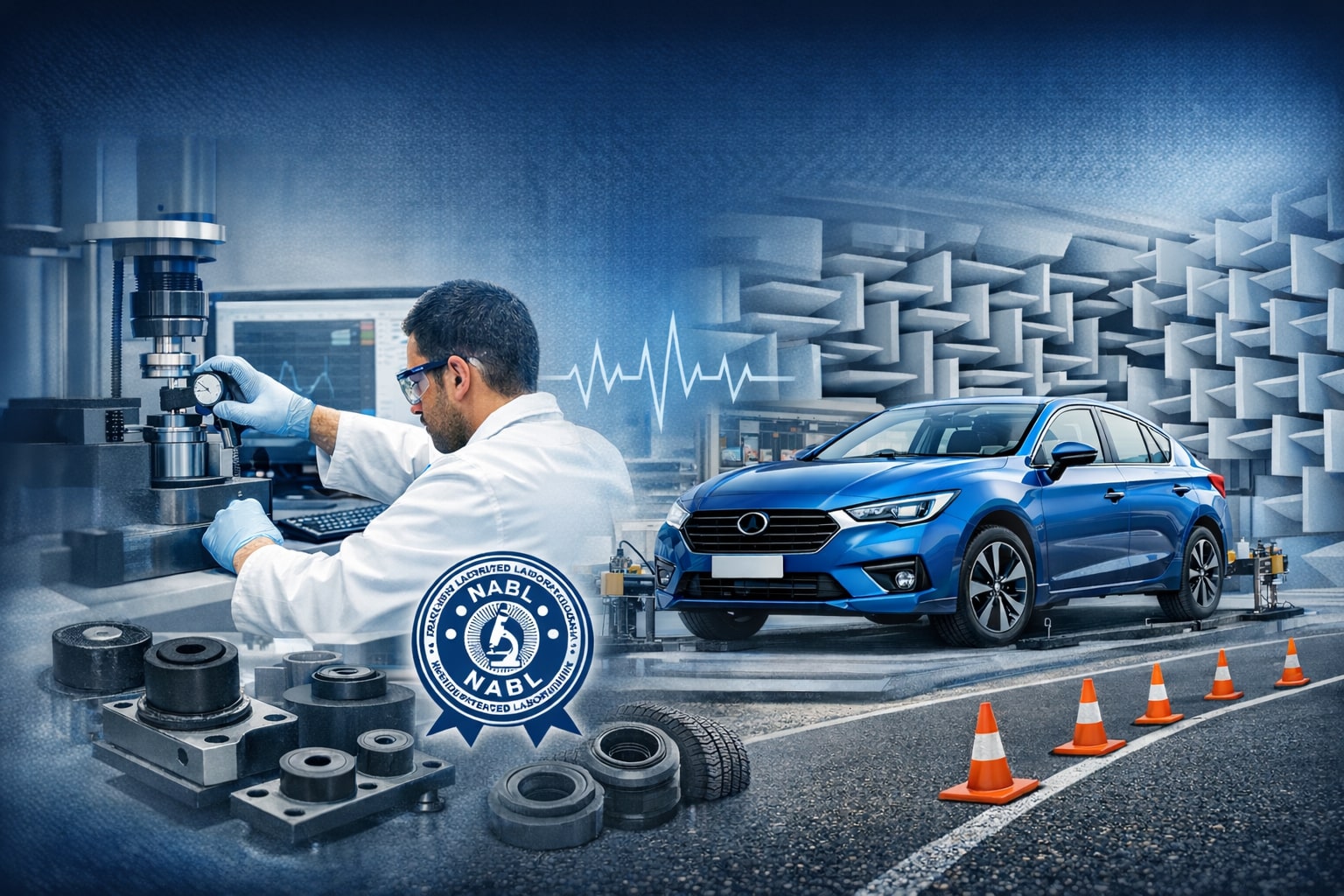
Importance of Elastomer Testing Labs in Durability Assessment
A specialized elastomer testing lab provides controlled conditions to assess rubber behavior under simulated service environments. Tests are performed at different temperatures, frequencies, and load cycles to replicate real automotive usage. Reliable elastomer testing data allows manufacturers to predict component life more accurately and reduce the risk of premature failure. This laboratory based evaluation forms the foundation for durable product design.
NVH Testing as a Durability Indicator
While often associated with comfort, nvh testing also provides insights into durability. Changes in noise or vibration levels can indicate material degradation, stiffness variation, or loss of damping properties. Continuous NVH evaluation helps engineers understand how rubber components perform as they age. By linking NVH results with mechanical test data, durability issues can be detected early in the development process.
Relationship Between Vehicle Dynamics and Rubber Durability
Rubber components play a significant role in vehicle dynamics by controlling motion, force transfer, and stability. Suspension bushings and mounts experience constant dynamic loads during braking, acceleration, and cornering. Advanced rubber testing methods analyze how these dynamic forces affect material fatigue and wear. Optimizing rubber properties ensures consistent dynamic behavior while extending component lifespan.
Environmental and Thermal Aging Evaluation
Automotive rubber components are exposed to heat, oils, moisture, and road contaminants. Advanced testing includes thermal aging, ozone resistance, and fluid compatibility studies. Through comprehensive elastomer testing, engineers assess how environmental factors accelerate material degradation. An experienced elastomer testing lab can simulate years of service exposure in a short time, providing valuable durability insights.
Fatigue and Cyclic Load Testing
Fatigue testing is critical for understanding how rubber behaves under repeated stress. Components may withstand high loads initially but fail after millions of cycles. Advanced fatigue testing evaluates crack initiation, growth, and final failure modes. This data supports improvements in compound design and component geometry, leading to more durable automotive rubber parts.
Data Driven Improvements in Rubber Design
Advanced rubber testing methods generate large volumes of performance data. Engineers use this information to refine formulations, adjust filler content, and improve curing processes. The integration of nvh testing results with fatigue and aging data supports balanced designs that deliver both comfort and durability. This data driven approach reduces development time and improves overall product quality.
Supporting Quality and Reliability in Automotive Manufacturing
Reliable rubber testing supports consistent manufacturing quality. By validating materials before production, manufacturers reduce variability and ensure long term performance. An elastomer testing lab also supports root cause analysis when failures occur, helping teams improve future designs. Continuous testing and validation contribute to safer and more durable vehicles.
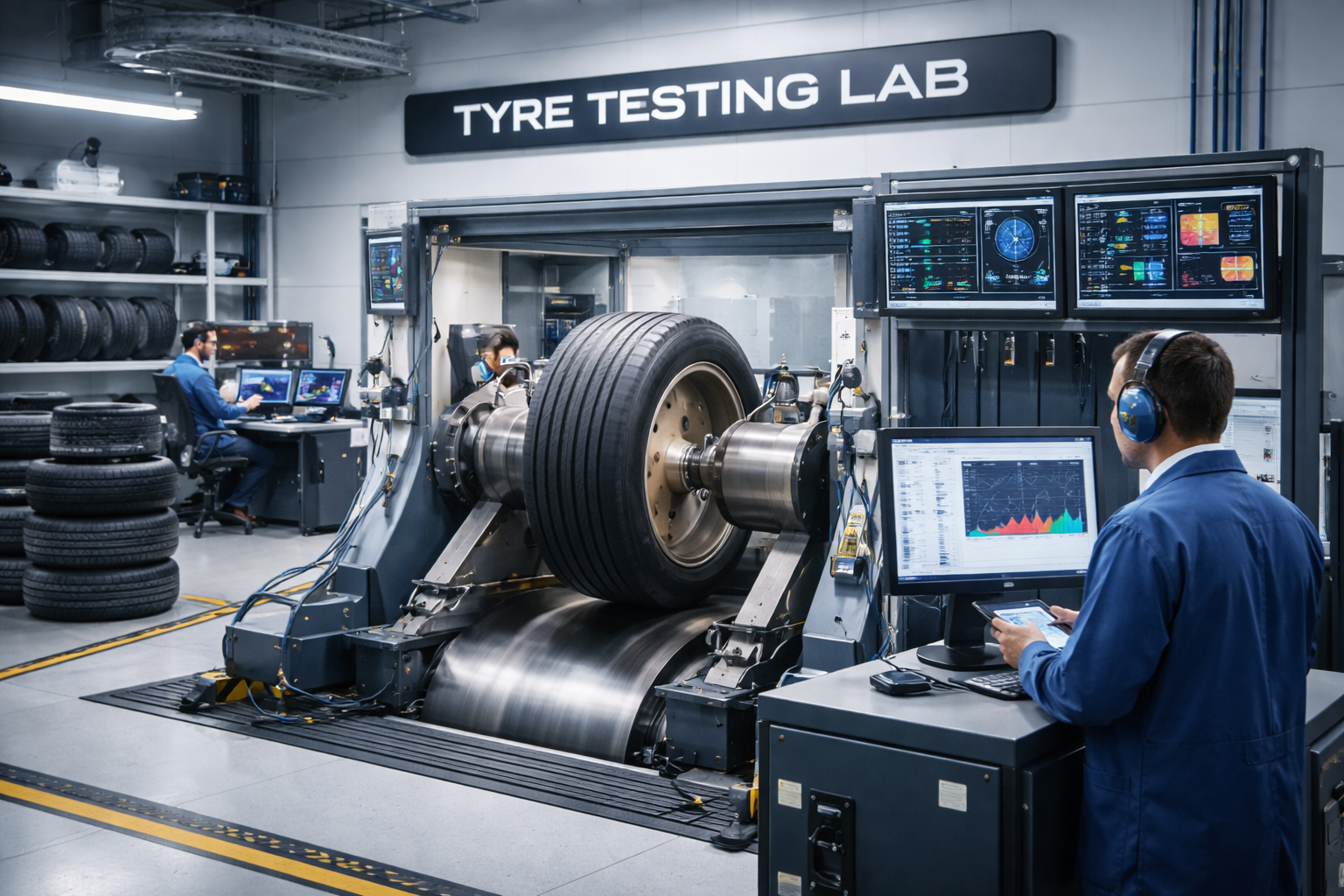
Ensuring Long Term Automotive Durability Through Accredited Testing
In summary, improving automotive durability depends on precise evaluation of rubber performance under real world conditions. Advanced elastomer testing and nvh testing provide critical insights into material behavior, fatigue resistance, and dynamic performance linked to vehicle dynamics. A professional rubber research lab, a well equipped rubber testing lab, and an accredited nabl lab for rubber testing together ensure reliable data, consistent quality, and long lasting rubber components for modern automotive applications.
Also Read :