Categories
Tags
Archives
How Painful Is IUD Insertion? Real Experiences & Expert Advice
-
Posted by Rubin Paschall Filed in Health #iud side effects #iud types #iud pregnancy #iud insertion pain 45 views
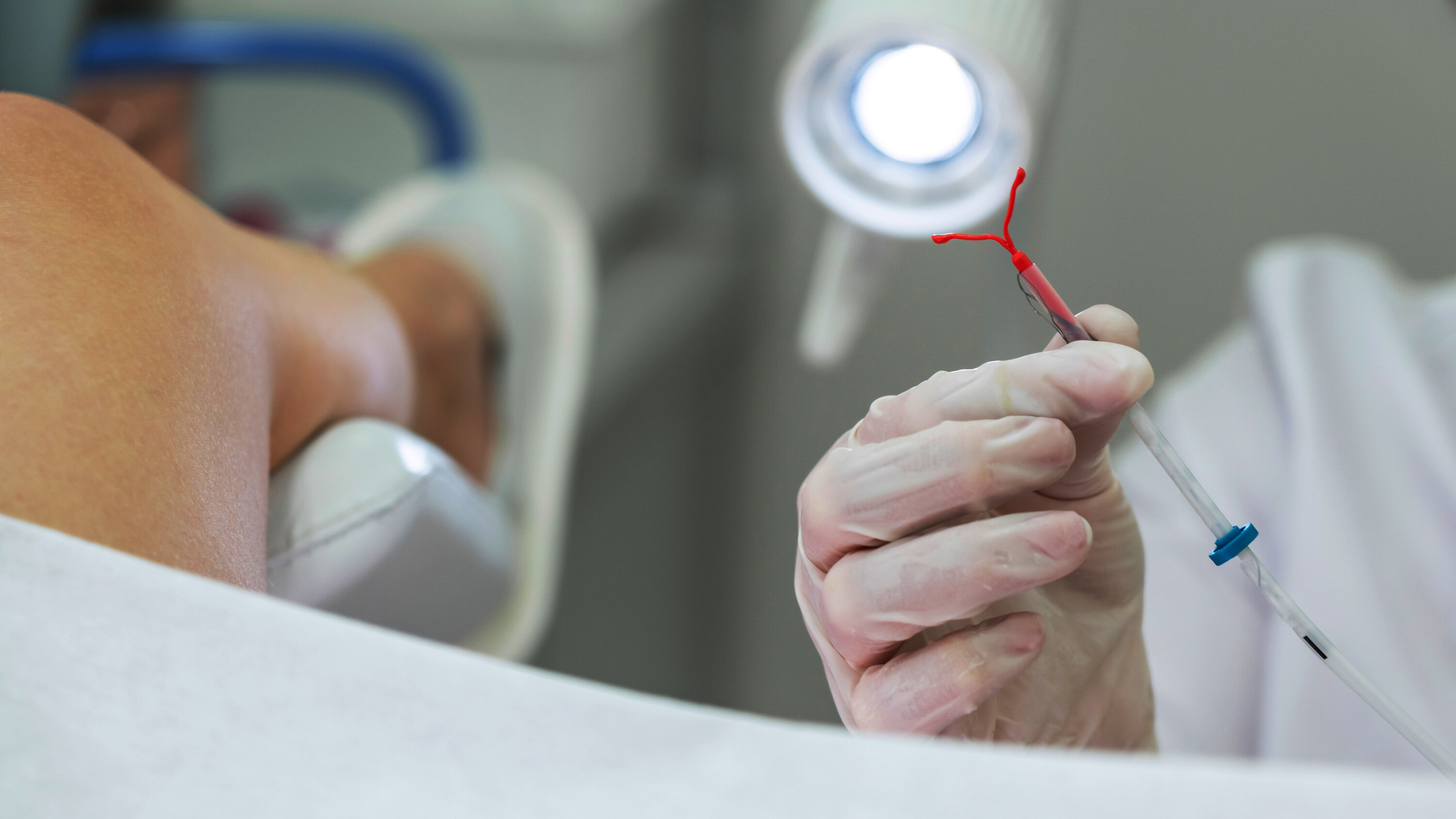
The decision to use birth control is your own. The use of IUDs is favored by many women as it offers long-lasting and effective protection. A common question asked by first-time IUD users is how painful it can be to insert them.
You're not alone in thinking about getting an IUD if you've been concerned about potential discomfort. In this article, we will discuss the sensation of pain during IUD insertion, distinguish among the different types, and provide insights from patients and medical professionals.
Understanding IUD Types and Their Role in Pain Perception
Before we talk about pain, it is important to understand that there are two primary IUD types: hormonal and non-hormonal.
Mirena, Kyleena, and Skyla are all hormonal IUDs that secrete a small amount of progestin to prevent pregnancy. What is the purpose of this? Your periods may become less frequent or cease over time.
Just like Paragard, the copper IUD doesn't have any hormones. The copper makes it difficult for sperm to reproduce and produce an egg. Certain women choose this method to avoid side effects caused by hormones.
The IUD you select can have a significant impact on how you feel while inserting. The size of certain hormonal IUDs can make them easier to insert if you have never given birth.
What Does IUD Insertion Pain Feel Like?
Pain levels vary from person to person. For some, it might just feel like pressure or mild cramping. For others, it can be stronger, more like an intense menstrual cramp.
The procedure usually lasts a few minutes. Many women report that the discomfort peaks when the IUD is placed in the uterus, followed by a brief period of cramping. After that, the cramping tends to lessen in intensity as time passes.
If you have delivered a baby vaginally in the past, the cervix may already be more flexible, making insertion easier and less uncomfortable.
Tips to Reduce IUD Insertion Pain
You do not have to go into your appointment unprepared. Here are a few ways to ease any discomfort you may feel:
What Do Medical Experts Say?
When to Call Your Doctor
While cramping and light bleeding are normal for a short time after insertion, call your provider if you experience:
These symptoms might indicate a complication such as infection or displacement and should be addressed immediately.
IUD insertion pain is different for everyone, but it is often short-lived and manageable with the right preparation. Whether you choose a hormonal or non-hormonal device, knowing what to expect can help you feel more comfortable and confident in your decision.
If you are considering your options for birth control and have questions about IUD insertion or IUD types, the caring professionals at Raleigh Gynecology and Wellness, PA are ready to help. With experience, compassion, and personalized care, their team can walk you through the process and support you at every step.
Contact Raleigh Gynecology and Wellness, PA today to schedule a consultation and learn if an IUD is the right option for you.