Categories
Tags
-
#anti-corrosion
#How air compressors inflate car tyres
#Can we drive a car with a broken compressor?
#How Do I Choose the Right Types of Air Compressors?
#How Does an Air Compressor Filter Work?
#What are the benefits of an oil-free compressor?
#Application of compressed air dryer
#Vane Compressors
#heatless air dryer
Archives
How Do I Choose the Right Types of Air Compressors?
-
The features to consider with any air compressor types are whether it's oil-free, variable speed, natural gas, and portability.
In addition to the power-generating mechanisms and energy output levels discussed above, there are several other factors to consider when choosing the right types of air compressors.
Consider the Air Quality of Oil-Free Compressors
In clean manufacturing environments, using oil-powered air compressors can create a problem. Most air compressors rely on oil to lubricate the inside mechanisms, and the fumes may contaminate the air, which could result in damage to products or manufacturing processes. With an oil-free air compressor, this risk is greatly reduced.
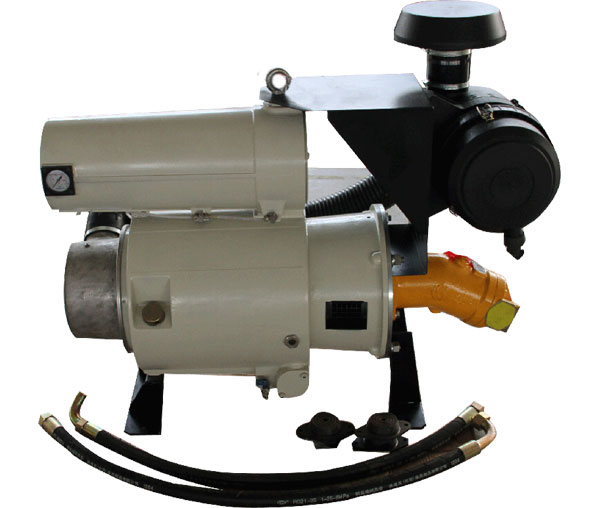
Though oil-free compressors are generally more expensive, they are the only option for facilities that guarantee clean manufacturing. Oil may still be necessary to lubricate the machine, but the inner workings of oil-free compressors contain a different sealing mechanism to ensure that no oil gets into the actual compressor. In addition to clean air, oil-free compressors often have lower running costs as parts do not need to be changed as frequently.
Use Energy Efficiently
If you’re working on a long construction project, getting the most energy-efficient air compressor can be worth the extra cost in the long run. Below are a couple of types of air compressors that are energy-efficient.
Fixed Speed Compressors vs Variable Speed Compressors
Variable Speed-Driven (VSD) compressors save energy and money by either increasing or decreasing output on demand. In comparison, the motors in fixed-speed compressors are constantly churning at the same rate. This is fine while the compressor is in use, but as the unit slows down, the motor continues to run until the machine comes to a full stop. Energy is wasted during this cool-down period as the compressor is still running, but no power is being generated.
Natural Gas Air Compressors
In certain industrial settings, a natural gas compressor works well to power tools and equipment. Examples include chemical processing plants, petroleum refineries, and manufacturing facilities. These units run on natural gas instead of diesel or electricity. Natural gas air compressors often operate more efficiently than other options, even at partial loads. They also have better heat recovery capabilities than electric compressors. If efficiency and energy savings are your main goals, a natural gas unit may be a better option.
Figure Out Portability Limitations
If you transport your air compressor between sites, a portable unit is a good option. Small, lightweight units can still deliver energy, but in a compact package. Though they won’t be as powerful as larger units, portable compressors can be ideal for smaller construction projects. Certain units can even be plugged into a car’s power adapter to fuel an airbrush painting tool or tire inflation tool!
Determine the Need for Additional Features
There are a variety of add-ons and additional features you can use with different types of air compressors. For example, multiple couplers or air hose splitters allow you to hook up multiple tools to your air compressor, so you don’t have to connect and disconnect when you’re changing tasks constantly. Air compressors with thermal protection add-ons keep track of internal heating and stop motor damage if the machine is overloaded.
Some air compressors have belt-drive systems rather than direct-drives, which allow for quieter operation. If you think you will need any of these additional features, you will want to make sure that the types of air compressors you choose will be compatible with these tools.
If you don’t want the commitment of purchasing an air compressor for your construction job, NAILI CO.,LTD has several types of air compressors ready for you to rent for your next job. From small and portable to industrial-scale, you’ll now have all the information you need to make the best choice for you.