Gilsonite - natural asphalt
-
The Asphalt Technology company offers natural asphalt - Gilsonite on the Russian market and in the CIS countries.
Long-term experience of using Gilsonite in developed countries has shown that asphalt concrete pavements made with natural asphaltites have excellent performance properties: such as resistance to temperature extremes, rutting, reducing fatigue properties, increasing water resistance, and slowing down the aging process of bitumen by 5 times.

Gilsonite, what is it?
Gilsonite is a pure hydrocarbon with a melting point of 165 ° C. Its main quality lies in maintaining a high stability of the material for a long time, which allows asphalt concrete to withstand high loads and not collapse from temperature extremes for decades.
State of Utah.jpg
Gilsonite is a naturally occurring, resinous hydrocarbon produced from a field in Yunta County, Utah, USA. This fossil is similar to hard asphalt, often called natural asphalt, asphaltite, uintaite, soluble in aromatic and aliphatic solvents. Due to its unique compatibility, gilsonite is often used to harden soft petroleum products. Gilsonite in bulk is a shiny, black substance similar to the mineral obsidian. It is a brittle material and can be easily crushed into a dark brown powder.
How does Gilsonite work?
Gilsonite is composed of very high molecular weight, polar polycyclic hydrocarbons. The uniqueness of the polymer is such that the structure of gilsonite asphaltenes can significantly improve the quality of the bituminous binder. As a natural asphalt, it disperses easily into asphalt and forms a continuous, fully stable asphalt binder. However, for this to happen, it is essential that the product is blended at temperatures above the softening point of gilsonite from 10 to 20 degrees C.Gilsonite allows you to:
to strengthen the binder and help to increase the resistance to various types of surface deformation, such as rutting, cracking or delamination of the asphalt pavement;
increase the thermal resistance of bitumen and asphalt concrete;
achieve high fatigue life when exposed to dynamic loads;
increase the softening temperature by 10 ° C or more, which indicates an increase in the viscosity of the binder and shear stability of asphalt concrete;
slow down the aging process of bitumen by 5 times.
Differences between Gilsonite and other natural asphaltenes.
Gilsonite is not subject to cracking at low temperatures. Gilsonite only needs about 1/3 of the dosage level normally required for other natural asphalts to achieve the same level of effectiveness. Despite the efficiency gains achieved, the price performance remains favorable in this case when compared with those for other natural asphalts or polymers. As soon as a situation of high traffic load arises and an increase in efficiency is required, this product acts as a very advantageous alternative (according to the criterion "price / efficiency") in relation to the use of polymers or other natural asphalt.Where is Gilsonite used?
Gilsonite can be used in road construction in several ways:As a highly resistant bonding layer (primer).
As a highly resistant base layer.
As a wear layer of the SHMAV type.
As a surface layer of asphalt concrete.https://en.wikipedia.org/wiki/Asphaltite
Gilsonite will increase the susceptibility to deformation from static and dynamic loads on:
Airports
Container terminals
In ports
Cargo terminals
Bus stops
On bridges
Amusement parks
Gilsonite strengthens the binder and helps to increase the resistance to rutting and delamination of asphalt pavements caused by high speed, heavy traffic:Motorways
Racing tracks
Airport runways
SuppliedGilsonite belongs to the family of pure hydrocarbons and has a melting point of 165 ° C.
This material is widely used in various types of road construction work, due to its ability to maintain high stability over a long period of time.
When gilsonite is added to asphalt concrete, an increase in the resistance of road surfaces to high loads and temperature changes is observed.
This extends the service life of the roadway.
MAIN DEPOSITS OF GILSONIT
Today they are concentrated in the USA (Utah). Outwardly, it resembles solid asphalt, due to which it received other names: asphaltite, natural asphalt, uintaite. Gilsonite dissolves in aromatic and aliphatic solvents. With external hardness, the material is quite brittle and can easily be crushed into a dark brown powder.COMPOSITION OF HILSONITE
It includes high molecular weight polar polycyclic hydrocarbons. The uniqueness of this material lies in the structure of asphaltenes, due to which it becomes possible to improve the properties of bituminous binders. Dispersing gilsonite into asphalt is not difficult. In this case, it is important to maintain a temperature not exceeding the softening point of the uintaite. Mixing is usually carried out at 100-200 ° C.APPLICATION OF GILSONIT
In the road construction industry it allows:to increase the resistance of asphalt pavements to various types of surface deformation;
increase the thermal stability of bitumen and asphaltenes;
ensure high fatigue life under the influence of dynamic loads;
increase the viscosity of the binder and shear stability of asphalt concrete;
slow down the aging process of bitumen.
METHODS OF USING GILSONIT
in road construction:as a surface layer of asphalt concrete;
as a resistant base layer;
as a permanent bonding layer;
as a wear layer.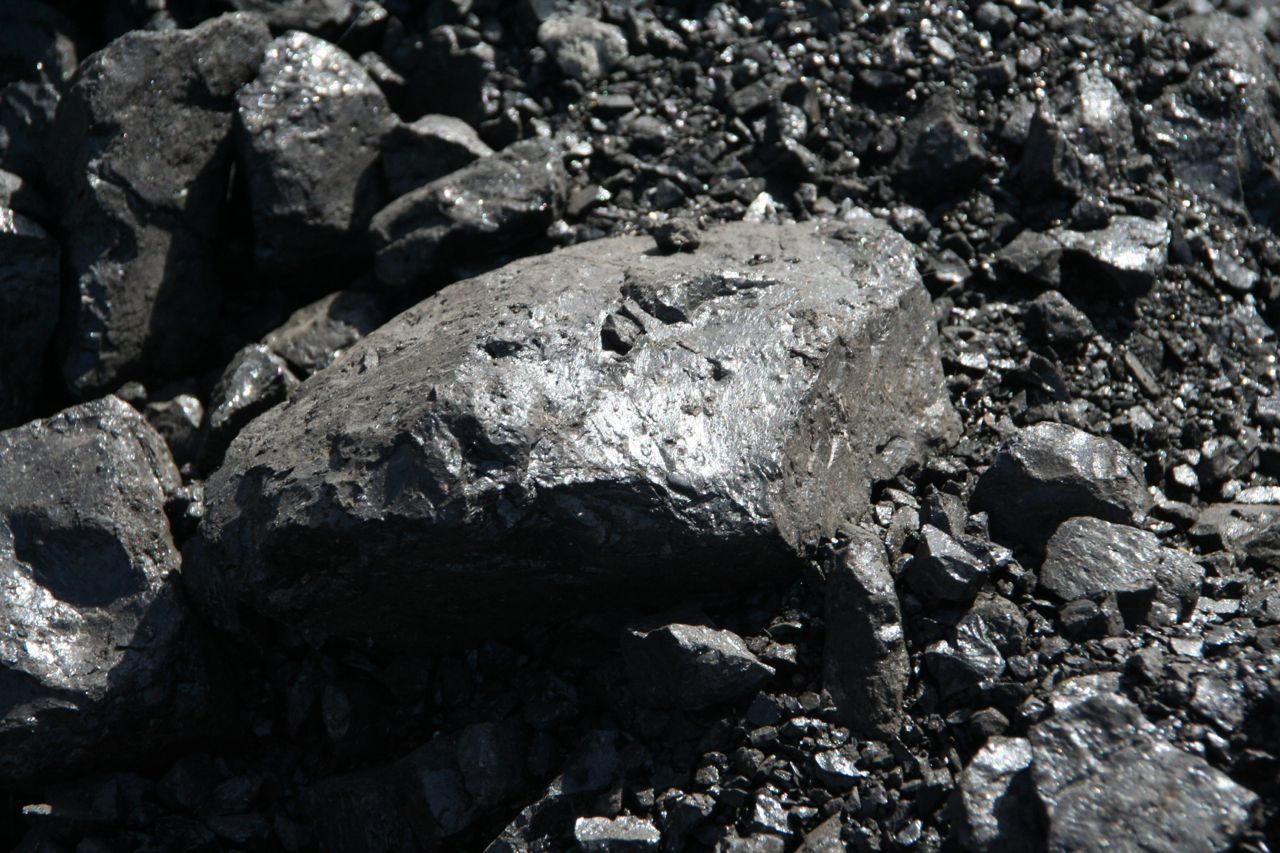
it is a high temperature natural mineral for the production of asphalt in the southern regions. It is widely used in the Middle East.
The use of gilsonite in hot asphalt mixes is widespread throughout the world. Gilsonite is successfully used both in high voltage areas in Oslo (Norway) and on access roads to toll road checkpoints in New Jersey (USA), as well as on the streets and highways of major cities in Australia, Singapore, Indonesia, Japan, France and Germany, not to mention many others.
In paving construction, it is important to achieve and expand the performance range of the asphalt by increasing its stability without compromising on other properties. Gilsonite has been successfully used in pavement construction in challenging areas that combine heavy loads and traffic with frequent stops.
In the city of Oslo, Norway, gilsonite has been used since the early 1970s in highly stressed areas and areas exposed to water forming
grooves. This application was notable in that first hard asphalt (with a penetration index of 40-50) was made, and then gilsonite was added to make an extra strong coating. It has been found that, in many cases, this mixture doubles the specified life of the pavement, while clearly demonstrating an increase in the resistance of the pavement to furrow formation. Most encouraging was the fact that even in the harsh climatic conditions of Oslo, the use of gilsonite did not pose the problem of cold cracking.In New South Wales, Australia, gilsonite has also been used to reduce severe deformation of the coating during heavy traffic. Typically, the gilsonite content is 0.25% by weight of the total mixture. Inspections at 6, 12 and 24 months showed a significant reduction in the formation of bumps and ruts in the pavement.
The performance of gilsonite used in Australia has been so positive that the Australian Asphalt Paving Association recommends the use of gilsonite as a modifier for paving roundabouts to reduce bumps.At a Seattle port in the northwestern United States, gilsonite was used in an area prone to excessive destruction by heavily loaded container handling cranes. Gilsonite was added at a weight concentration of 8% of the binder. In this project, an asphalt base with a penetration rate of 60-70 was used. Gilsonite was added directly to the asphalt mixer in hot melt bags that dissolve completely in the mix. The cycle time has been increased by 15 seconds to ensure complete mixing.
The most stressed section of the port was covered with two 2.5-inch layers. The paving was successful, without incident, the material was well rolled and the inspection results showed that the gilsonite-containing mixture provided a more thorough coverage of the aggregate. Inspection after one year showed that hot gilsonite-modified asphalt was the most resistant to rutting and water.Gilsonite has been used consistently in the New Jersey toll road for over five years. With loads of up to 500,000 vehicles per day (20% of which are trucks), the New Jersey toll road is a test of pavement design. After unsuccessful attempts to use hard asphalt, gilsonite was used instead of 10% asphalt to reduce ruts and unevenness of the road surface. As a result, stability has increased (almost doubled) and excellent performance has been obtained. Ruts and irregularities leading to cracking have been virtually eliminated. An increase in the service life of the coating was recorded by at least two years.
https://asiagilsonite.com/what-is-gilsonite-and-what-is-it-used-for/