Categories
Tags
-
#Coconut shell activated carbon
#Columnar activated carbon
#Activated carbon powder
#carbon powder
#Activated Carbon
#Activated Carbon Pellet
#Pelletized Activated Carbon Market
#powdered activated carbon
#Activated carbon desulfurization: a green
#efficient and environmentally friendly choice
Archives
Applications of Powdered Activated Carbon---Food Industry
-
--Food Industry:
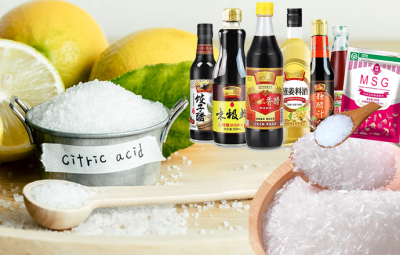
Sugar Decolorization: In the sugar industry, it is used to decolorize and purify sugar solutions, removing pigments (such as melanoidins) and colloids, thereby ensuring the color and purity of the white sugar. This produces pure white sugar. In edible oil processing, it absorbs pigments, odors, and some harmful components from oils, improving their quality and stability.Edible Oil/Citric Acid/MSG/Vinegar/Soy Sauce: 1. It removes natural pigments (such as carotenoids and chlorophyll) and oxidized pigments produced during processing, resulting in a brighter color and enhanced product appearance. It absorbs volatile substances such as free fatty acids, aldehydes, and ketones in oils and fats (which can cause rancid or off-flavored oils and fats), while also reducing impurities such as colloids and phospholipids, extending the shelf life of oils and fats and improving their taste. It also has a certain adsorption effect on trace amounts of toxic and harmful components such as aflatoxins and pesticide residues in oils and fats, thereby improving the safety of edible oils. 2. Citric acid fermentation broth or extract contains pigments (such as those produced by microbial metabolism and impurities introduced by the raw materials) and colloids. Powdered activated carbon removes these substances through adsorption, ensuring the clarity and purity of the citric acid solution and laying the foundation for subsequent crystallization and purification. It reduces the impact of impurities on the color and morphology of citric acid crystals, improving the whiteness and purity of the finished citric acid, and meeting the strict standards for food-grade and pharmaceutical-grade citric acid. 3. During the MSG production process, pigments (such as colored substances produced by protein decomposition) and small amounts of organic impurities remain after the fermentation broth is extracted. Powdered activated carbon effectively adsorbs these components, resulting in a clearer monosodium glutamate solution and preventing yellowing or darkening of the finished monosodium glutamate. It absorbs trace odorous substances produced during the fermentation process, ensuring the pure taste of monosodium glutamate and improving product flavor stability.
Beverage and alcoholic beverage processing: During the production of beverages such as juice and alcoholic beverages (such as baijiu and beer), it can remove turbidity (fusel oil), odorous substances, and some organic impurities, improving the clarity and taste of the beverages.