Categories
Tags
-
#Coconut shell activated carbon
#Columnar activated carbon
#Activated carbon powder
#carbon powder
#Activated Carbon
#Activated Carbon Pellet
#Pelletized Activated Carbon Market
#powdered activated carbon
#Activated carbon desulfurization: a green
#efficient and environmentally friendly choice
Archives
Specific use of powdered activated carbon in edible oil
-
Preparation before use
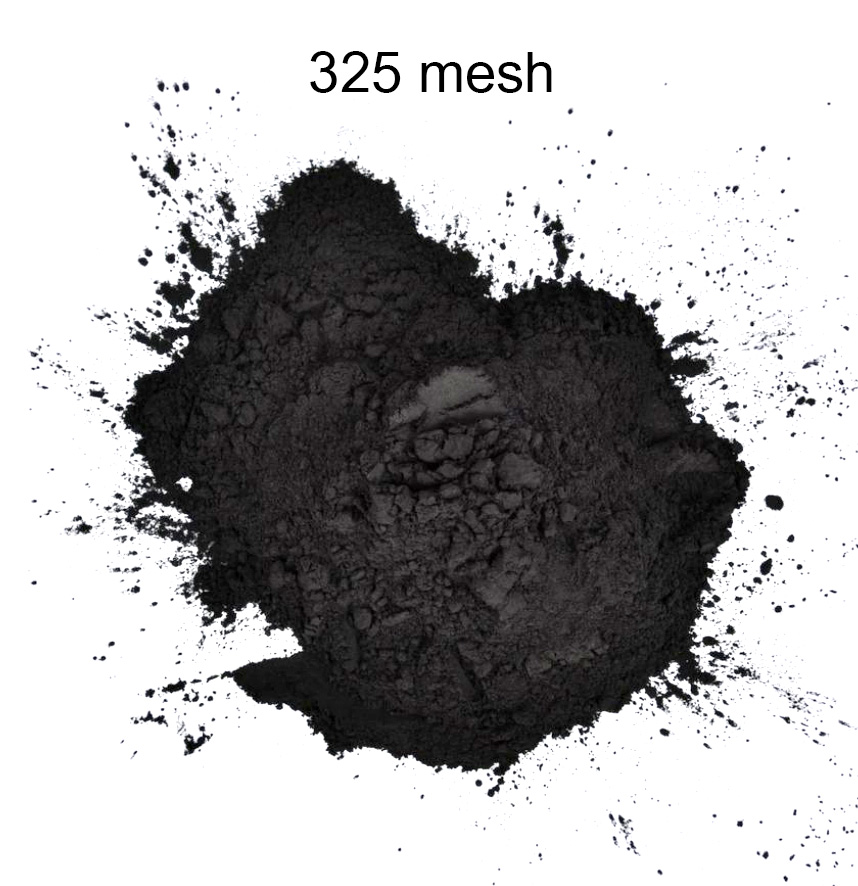
- Activated Carbon Selection and Pretreatment - Food-grade powdered activated carbon (compliant with GB 29215-2013) is preferred. Wood-based activated carbon is more commonly used due to its low ash content and mild adsorption properties. Coal-based activated carbon requires additional testing for heavy metals (lead, arsenic, etc.) and ash content. - If the activated carbon particles are coarse, sieve them through an 80-100 mesh sieve to ensure uniform dispersion. If necessary, rinse with hot water beforehand to remove surface dust.
2. Pretreatment of edible oil - For crude oil (virgin oil), it must first undergo degumming and deacidification treatment (to remove phospholipids, free fatty acids, etc.) to prevent impurities from affecting the adsorption efficiency of activated carbon.
2. Specific operation steps
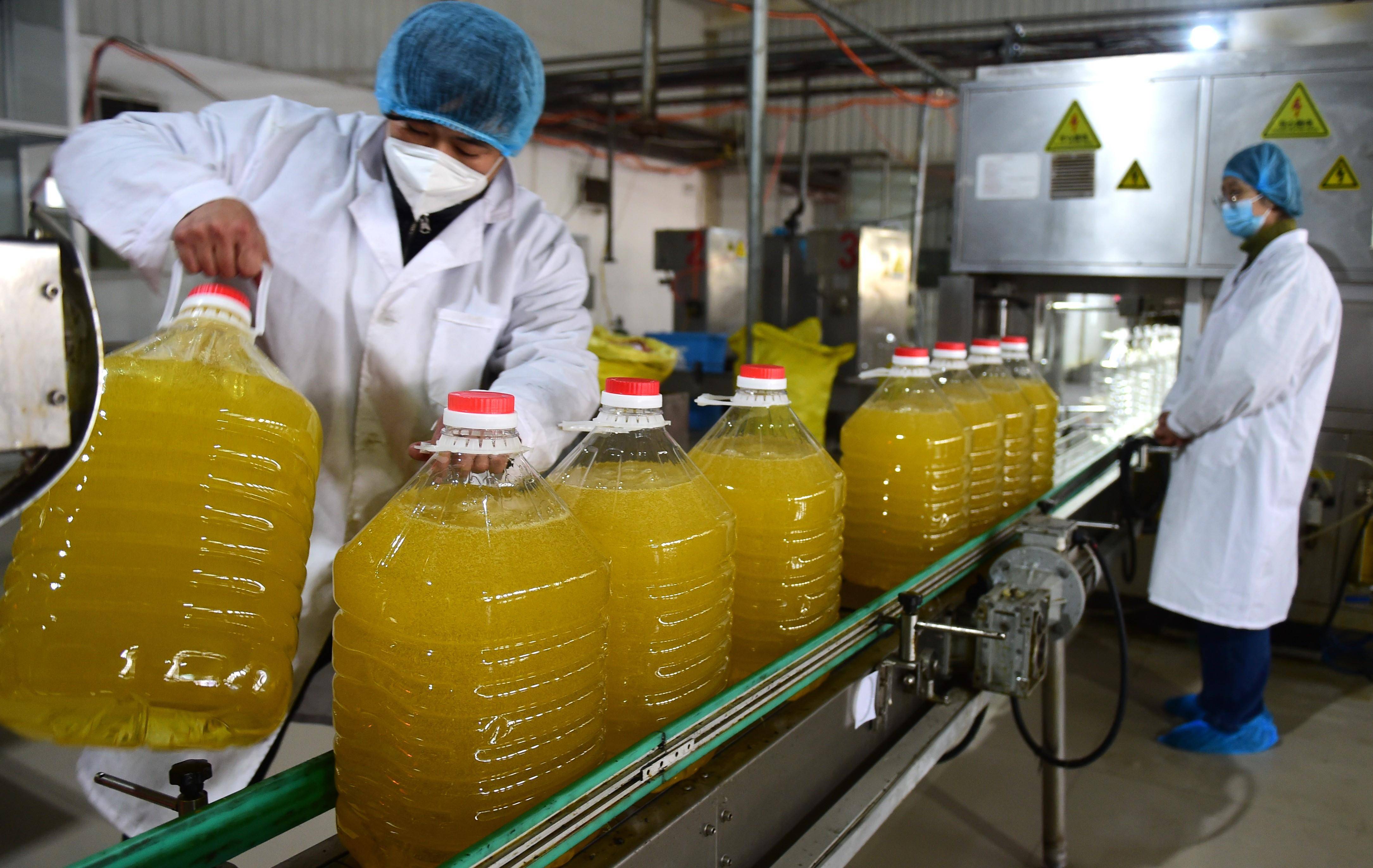
1. Determine the amount of activated carbon to use. The amount should be adjusted based on the oil's color and impurity content, typically ranging from 0.5% to 3% of the oil's weight (e.g., 0.5-3kg of activated carbon per 100kg of oil). Light-colored oils (such as peanut oil) can use a lower amount (0.5%-1%). Dark-colored or strongly odorous oils (such as rapeseed oil and oxidized, rancid oils) can use an increased amount of activated carbon to 1%-3%. A pilot test is recommended: add activated carbon to a small amount of oil at varying ratios, observing the decolorization effect before determining the optimal amount. (Excessive amounts may absorb fat-soluble vitamins in the oil.)
2. Heating and Mixing - Pour the cooking oil to be treated into a reactor (or stainless steel container) and heat to 80-120°C (the specific temperature varies depending on the type of oil; for example, vegetable oil is typically 80-100°C, while animal oil can be slightly higher). Simultaneously stir (at 50-100 rpm) to even out the oil temperature. - Slowly add the powdered activated carbon (to avoid clumping) and continue stirring for 20-60 minutes to ensure the activated carbon is fully dispersed and in contact with the oil. The stirring time should be determined based on the adsorption effect: dark-colored oils can be extended to 40-60 minutes, while light-colored oils can be prepared for 20-30 minutes.
3. Heat preservation and adsorption - After stirring, maintain the temperature (80-100℃) and let it stand for 10-15 minutes to allow the activated carbon to fully adsorb impurities (pigments, odorous substances, etc.) to avoid immediate cooling which will cause a decrease in adsorption efficiency.
4. Filtration to remove activated carbon residue - This is a critical step, ensuring complete separation of the activated carbon to prevent residue from affecting the oil's taste and safety. Common methods: Plate and frame filtration: Using filter cloth (200-300 mesh) or filter paper as the filter medium, filter under pressure (0.2-0.4 MPa) at a temperature of 60-80°C (this improves oil flowability and filtration efficiency). Centrifugal filtration: Suitable for small-scale processing, centrifugal force (3000-5000 rpm) separates activated carbon particles. - After filtration, check the oil's transparency: if any carbon powder remains, a second filtration is required.
5. Post-processing - The filtered oil can be deodorized (high-temperature vacuum treatment) to further remove residual odors; - Testing of oil indicators: color (Lovibond colorimeter), acid value, peroxide value and activated carbon residue (no black particles on sensory inspection, ash content test passed).
August 9, 2025- -
-
Report