Categories
Tags
-
#Coconut shell activated carbon
#Columnar activated carbon
#Activated carbon powder
#carbon powder
#Activated Carbon
#Activated Carbon Pellet
#Pelletized Activated Carbon Market
#powdered activated carbon
#Activated carbon desulfurization: a green
#efficient and environmentally friendly choice
Archives
The role of activated carbon in CO emissions from industrial co
-
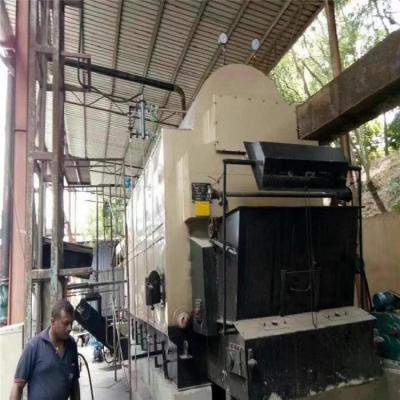
The solution of adding hopite to the activated carbon layer to further reduce carbon monoxide emissions is targeted at the problem of instantaneous concentration fluctuations when adding wood to the boiler. The following further refinements are made from three aspects: optimizing the synergistic mechanism, adapting to actual operating conditions, and supplementing auxiliary measures to help improve the stability and reliability of the solution:
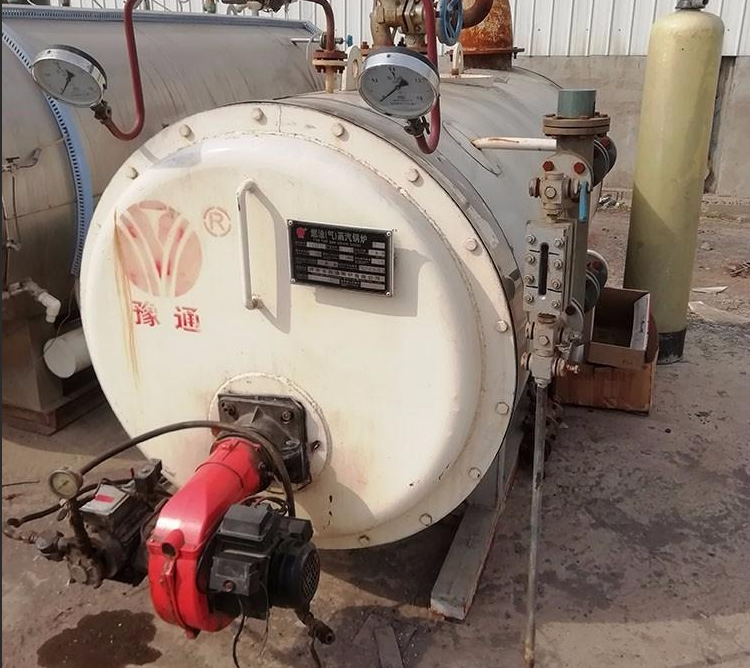
一、Key design to enhance the synergistic effect of activated carbon-hopite
Gradient composite structure design: - Rather than a simple mixture, the activated carbon layer is divided into two sections. The front section is primarily activated carbon (70%-80%), focusing on rapid adsorption of transient high CO concentrations when wood is added. The rear section has a higher loading of hoplinite (activated carbon to hoplinite ratio of 1:1 to 2:1), leveraging its catalytic activity to oxidize adsorbed CO to CO₂. This gradient design prevents premature coverage of the hoplinite with impurities and extends the effective range of the adsorption-oxidation reaction. - If space permits, a porous partition can be added between the two sections to reduce airflow short-circuiting and ensure even flue gas flow through the material layer.
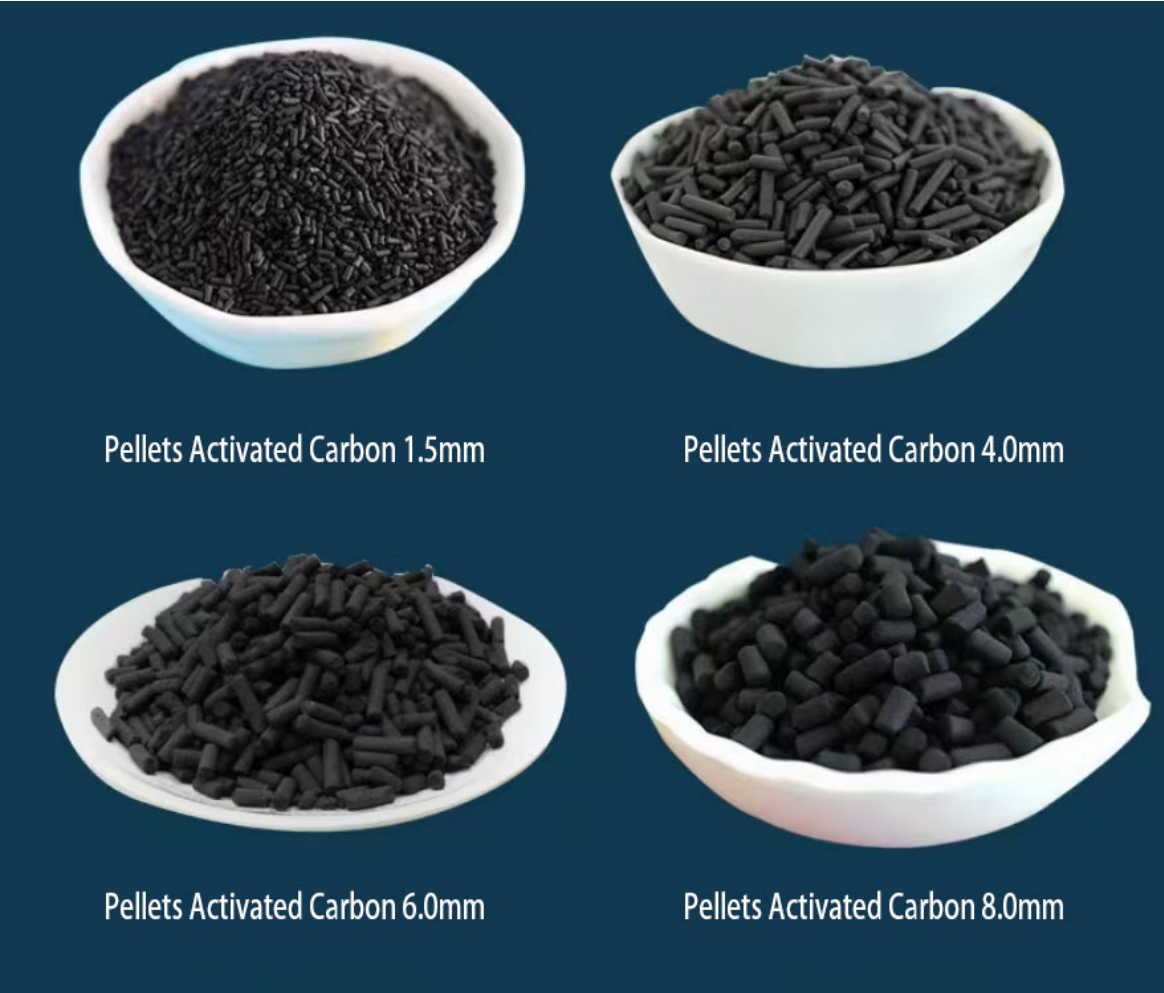
一、Operational adjustments to accommodate fluctuations in boiler operating conditions
Addressing transient high emissions when adding wood: - When adding wood, the oxygen level in the boiler may be temporarily insufficient, leading to a surge in CO production. It is recommended to increase the air flow (by 20%-30%) 1-2 minutes before adding wood to provide sufficient oxygen for the subsequent catalytic oxidation of CO (hopite catalysis requires O₂) and avoid reaction retardation due to oxygen deficiency. - If the boiler has an automatic feeding system, the feeding frequency can be optimized by splitting the single feed into multiple, smaller additions. This reduces the impact of a single feed on the combustion state in the furnace, reduces transient CO peaks at the source (e.g., from 6000 ppm to 4000-5000 ppm), and alleviates the burden of subsequent treatment.
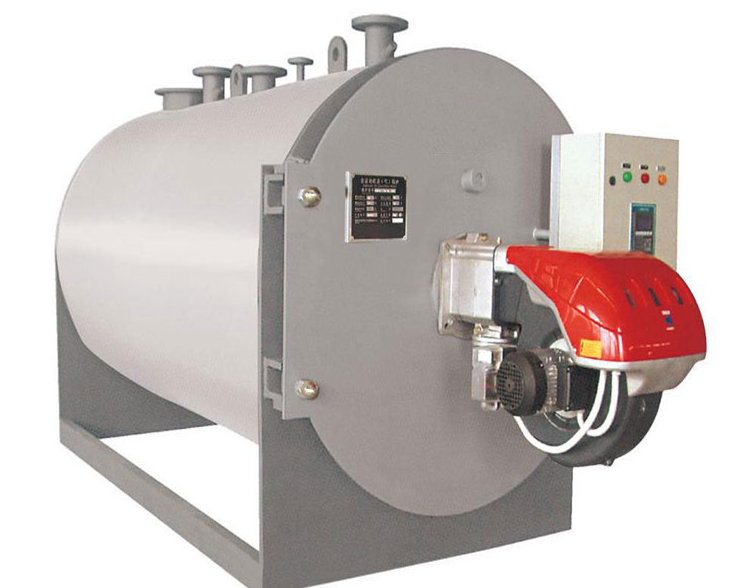
2. Dynamic Matching of Temperature Parameters: - Monitor the boiler exhaust temperature. If it is below the hoplite activity threshold (e.g., below 200°C), install a heat exchanger between the primary catalyst and the activated carbon layer (using the boiler's high-temperature flue gas for preheating) to raise the flue gas temperature to 250-300°C (most hoplite exhibits optimal activity in this range). - If the exhaust temperature is too high (e.g., above 400°C), install a cooling device (e.g., an air cooler) before the activated carbon layer to prevent the activated carbon from losing its adsorption capacity due to high temperatures (activated carbon adsorption efficiency decreases with increasing temperature).
 https://www.carbonyihang.com/