Categories
Tags
-
#carpet
#cooking
#Outdoor Rattan Set
#Leisure Chair
#Ice Maker Machine
#how to
#pet care
#outdoor furniture
##clean #cleaning tips
#treadmill
# sports
#dog cages
#Corner Sofa Set
#Home Appliances
#Bedroom Shelving Ideas
#Rack Shelving
#rattan furniture
#air fryer
#Rattan Garden Furniture
#Best Barbeque grill
#noise control
#dog training
#metal sheds for sale
#Cooling Solutions
#Outdoor Living
#Storage solutions
##GardenTool
#shelves
#Garage Storage Solutions
#DIY Home
#Household Appliances
#BBQ grill
#Carpet flooring
#Crates for dogs
#healthy meals
#homegardening
##lifestyle
#BBQ cooking set
#garden sofa
#egg chair
#Hose Pipe
#UK Home
#bbq
#running machine
#walking pad
#garage shelving
##cooling
#rattan sofa
#Electric Fan
#watering
Archives
Best Value Treadmills Under £200 for Beginners
-
Posted by Lucy Zheng Filed in Family & Home #how to #treadmill # sports #UK Home #running machine 264 views
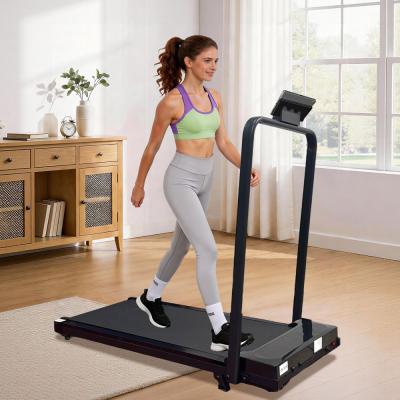
Treadmills have quietly become one of the most practical bits of home fitness gear in the UK. Between unpredictable weather, busy schedules, and smaller living spaces, the idea of getting your steps in without leaving the house just makes sense.
But here’s the catch: once you start looking, the options can feel overwhelming—especially if you’re on a budget. And let’s be real, not everyone wants to drop £500+ on something they’re not even sure they’ll use long term.
So let’s cut through the noise. No brand hype, no flashy features you’ll never touch. Just a straight-up guide to choosing a treadmill under £200 that actually does the job.
Why treadmills are everywhere right now
In the UK, space is often tight—think flats, shared homes, or cosy terraces. Not everyone has the luxury of a spare room for a full home gym. Add in rainy days (which, let’s face it, is most days), and outdoor workouts quickly lose their appeal.
That’s where a compact treadmill comes in. It’s convenient, predictable, and doesn’t require much planning. You can walk while watching TV, take calls, or squeeze in 20 minutes between tasks. It fits into real life.
And importantly, you don’t need anything fancy to make it work.
What actually matters
When you’re shopping under £200, priorities need to be clear. You’re not buying a commercial gym machine—you’re buying something functional.
1. Size & storage
Most UK homes don’t have space for bulky equipment. So before anything else, check:
- Foldable design
- Slim profile (especially for under-desk or under-bed storage)
- Built-in wheels
A treadmill you can’t store easily will quickly become a regret purchase. The best budget options are lightweight and easy to tuck away.
2. Walking vs running
Let’s be honest—most sub-£200 treadmills are not built for intense running.
And that’s okay.
They’re ideal for:
- Walking
- Light jogging
- Daily step goals
If your main goal is fat loss, consistency matters more than speed. A steady 30–45 minute walk daily beats occasional intense workouts you can’t stick to.
3. Motor power
You’ll usually see motors in the 1.0–2.0 HP range in this price bracket.
What to look for:
- Around 1.0–1.5 HP = perfectly fine for walking
- Stable, consistent speed
Ignore exaggerated claims. Smooth operation matters more than raw numbers.
4. Weight capacity & stability
This is often overlooked, but it’s key.
Check:
- Max user weight
- Frame sturdiness
- Minimal wobble during use
A slightly heavier unit often feels more stable—even if it’s less “portable.”
5. Running surface
Budget treadmills tend to have shorter and narrower belts.
That’s fine—as long as you’re realistic:
- Walking = no problem
- Long stride running = not ideal
If you’re taller, pay extra attention here. A cramped belt can feel awkward quickly.
6. Noise level
If you live in a flat or shared house, noise matters.
Look for:
- Quiet motor descriptions
- Shock absorption
A quieter treadmill = fewer complaints from neighbours.
What you don’t need
This is where people often overspend.
Skip:
- Built-in workout programs (you won’t use 90% of them)
- Fancy touchscreens
- Bluetooth speakers
- App integrations
They sound cool—but they don’t make you more consistent.
A simple display showing time, speed, distance, and calories is more than enough.
Realistic expectations under £200
Let’s keep it real—this price range has limits.
You’re getting:
- A solid walking machine
- Light jogging capability
- Compact, home-friendly design
You’re NOT getting:
- Gym-level durability
- High-speed performance
- Long-distance running comfort
And that’s completely fine if your goal is daily movement and staying active.
Smart buying tips most beginners miss
- Check assembled dimensions, not just folded size
- Read user reviews about stability, not just ratings
- Avoid anything that looks too “tech-heavy” for the price
- Prioritise simplicity over features
If it looks complicated, it probably won’t age well.
Beginner FAQs
“Can I use a cheap treadmill for running every day?”
Not really. That’s one of the biggest mistakes. Budget treadmills are built for walking and light jogging. Pushing them too hard = shorter lifespan + frustrating experience.
“More features = better value, right?”
Actually, no. In this price range, more features often mean compromises elsewhere—usually in build quality. A simple, sturdy machine is always the better pick.
“I’ll just leave it out all the time”
Sounds good… until it takes over your living space. If it’s not easy to fold and store, chances are you’ll stop using it. Convenience = consistency.
Making it work in a UK home
Think practical:
- Slide it under the sofa or bed after use
- Use it while watching Netflix or YouTube
- Keep it near your workspace for quick walks
- Aim for daily steps, not perfection
You don’t need a full fitness routine. You just need to move more, consistently.
So, what should you actually look for?
If you want a simple checklist:
- Foldable & compact
- Stable frame
- Quiet motor (~1.0–1.5 HP)
- Suitable for walking/light jogging
- Easy to store
- No unnecessary extras
That’s it. Keep it simple, and you won’t go wrong.
The bigger picture
A treadmill isn’t magic. It won’t transform your health overnight.
But it removes friction.
No weather excuses.
No travel time.
No pressure.Just step on and move.
And honestly, that’s what makes the biggest difference. Not intensity. Not fancy tech. Just showing up regularly.
Your body doesn’t care if your treadmill cost £150 or £1,500. It cares that you’re using it.
So pick something practical, keep your expectations realistic, and focus on building the habit.
Because at the end of the day, staying active isn’t about perfection—it’s about consistency.