Categories
Tags
-
#strategy
#fitness
#Travel
#adventure
#swimming
#skills
#training
#sports
#Health
#Motivation
#Volleyball
#recovery
#hiking
#basketball
#personal growth
#gym
#mental health
#wellness
#camping
#prediction
#strength training
#Mountain Biking
#Travel adventures
#Sports Community
#Cycling
#Personal Training
#Surfing
#equipment
#Esports
#competition
#Performance
#Sports performance
#Outdoor Sports
#running
#Fitness Goals
#Sports Nutrition
#technique
#Water Sports
#Fitness Journey
#outdoor adventure
#gaming community
#Outdoor Recreation
#fear
#Outdoor Adventures
#mindfulness
#mentality
#performance optimization
#ocean
#Confidence
#Resilience
#mindset
#Healthy Eating
#Road Trips
#team sports
#camaraderie
#competitive gaming
#mental toughness
#gaming tournaments
#athlete mindset
#rock climbing
#personal challenge
#fitness mindset
#exploration
#athletic performance
#rest
#gym workouts
#fitness motivation
#personal transformation
#exercise consistency
#extreme sports
#adrenaline
#limits
#thrill-seeking
#outdoor exploration
#bucket list
#thrill seeking
#mountain climbing
#sports tips
#fitness fuel
#training diet
#sports science
#athletic recovery
#rest and recovery
#marathon training
#endurance sports
#competitive spirit
#athletic growth
#adventure sports
#fitness challenges
#community
#wilderness
#endurance
#trail
#pushing limits
#living fully
#teamwork
#dedication
#mental performance
#level up
#fitness training
#discipline
#gym training
#ocean adventure
#wave riding
#training recovery
#ocean training
#solo training
#group rides
#bike setup
#road cycling
#bike commuting
#urban riding
#daily training
#gravel cycling
#adventure bikes
#off-road riding
#cycling exploration
#climbing
#cycling training
#training philosophy
#fitness transformation
#endurance training
#winter cycling
#cold weather training
#bike fitness
#open water
#athletic challenge
#cross-training
#night training
#fitness breakthrough
#wipeouts
#dawn patrol
#early morning training
#ocean fitness
#ball handling
#midrange game
#fundamentals
#skill development
#shooting technique
#footwork
#defense
#competitive training
#self-discovery
#messengers
#urban biking
#overcoming obstacles
#cycling technique
#cadence training
#endurance fitness
#pedal efficiency
#injury prevention
#leg strength
#muscle development
#performance gains
#fitness science
#commute
#distance training
#lateral movement
#pool training
#athletic development
#cold water swimming
#open water training
#swimming challenges
#sprint swimming
#athletic adaptation
#high intensity intervals
#flip turns
#athletic training
#pool workouts
#solo swimming
#athletic motivation
#water fitness
#distance running
#nutrition strategy
#race fueling
#race preparation
#pace groups
#race strategy
#running community
#base building
#aerobic fitness
#running foundation
#running strategy
#compound lifts
#gym motivation
#consistency over intensity
#strength building
#personal discipline
#gym fitness strength training adaptation progressi
#fitness metrics
#progressive overload
Archives
SWIMMING FOR SPEED: HOW FLIP TURNS BECAME MY OBSESSION
-
Posted by Jake Rivera Filed in Sports #swimming #technique #flip turns #athletic training #pool workouts 39 views
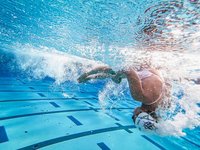
I never thought a flip turn would change my perspective on athletic progression. For years, I treated them as just a practical necessity, a way to keep momentum going without losing my rhythm at the wall. But after watching a local masters swimmer named Derek execute a perfect turn at our facility, I realized I'd been leaving serious time on the table. That observation became an obsession, and honestly, it's one of the smartest decisions I've made as an athlete.
Here's what most people don't understand about flip turns: they're not just about technique. They're a complete reset. Every turn is a chance to recalibrate your body position, your breathing pattern, and your mental focus. When you nail a flip turn, you're not just completing a lap, you're proving to yourself that you can execute under pressure. The wall comes at you fast, your brain needs to fire on all cylinders, and your body needs to respond instinctively. Miss it or botch it, and you've just lost seconds and confidence. Nail it, and you feel invincible.
I started dedicating entire training sessions to turn work. Not the full lap grind, but isolated turn practice. Ten meters in, flip turn, ten meters out. Repeat. Over and over until my muscle memory couldn't mess it up even if my mind wanted it to. The first week was humbling. My turns were sloppy. I was misjudging distances, under-rotating, losing momentum. But that failure is exactly what hooked me. I could measure improvement with precision. Faster rotations. Better push-off angles. Cleaner underwater streamlines.
What blew my mind was how improved turns started affecting my entire swimming performance. My times dropped noticeably, not because I was training harder, but because I was wasting less energy. Every lap suddenly felt smoother. The transitions felt automatic, almost meditative. I wasn't thinking about the turn anymore. My body just knew what to do.
The real lesson hit me about four weeks into this obsession. I was doing a set of 200s, and on the fourth repeat, something clicked. My flip turns were so dialed in that I could focus entirely on maintaining my stroke quality and pacing strategy. The technical foundation was locked down. That's when I realized this applies to everything in sports and life. You need to master the fundamentals so thoroughly that they become subconscious. Only then can you elevate your game to the next level.
Now I'm that person at the pool geeking out over turn mechanics. I film my sets. I analyze angles. I compare my rotational speed to Derek's. My swimming buddies think I've lost it, but they're also asking me how I'm dropping time so consistently while maintaining the same weekly mileage.
The flip turn taught me that progress doesn't always come from doing more. Sometimes it comes from doing what you're already doing, but doing it better. It's the kind of insight that makes you want to go back and examine every other aspect of your training. What else am I overlooking? What other fundamentals am I phoning in?
Are you training hard or are you training smart? And more importantly, have you identified the small technical elements in your sport that could unlock bigger breakthroughs?