Categories
Tags
-
#llp registration
#PVT LTD COMPANY REGISTRATION
#GST Registration
#gst
#Virtual CFO Services
#LLP
#GST registration online
#Tax Audit
#startup registration
#virtual cfo
#business consultant near me
#consultancy for startups
#gst return
#Business registration
#business registration online
#director
#remote cfo services
#proprietorship registration
#business registration in india
#ca for income tax
#ca for tax
#ca for income tax filing
#ca for tax filing
#ca for itr filing
#ca for itr
##finance
#finance managemnt
#ROC
#ITR Filing
#Income Tax Audit
#cfo services
#best virtual cfo services
#AMpuesto
#online ca for tax filing
#online ca for itr filing
#ca for filing itr
#online ca help
#TDS
#hire ca for itr
#online ca service
#ca service
#best cfo solutions
#virtual cfo service
#gst services
#ca for tax planning
#Online CA for Tax
#adt-3 form purpose
#what is adt 3 form
#tds on sale of property
#what is mgt 7
#mgt-7a turnover limit
#virtual cfo services in delhi
#adt 3 form purpose
#adt 3 form
#roc registration
#dir 3 kyc
#adt-3
#adt-3 form
#online llp registration
#tcs return due date
#tcs return
#startup registration service
#change in directors of private company
#change in director
#difference between tis and ais
#tis and ais
#change director of company
#director change service
#what is roc
#roc registation
#director change
#change director service
#tcs return filing
#tcs return filing service
#roc of company
#tis in income tax
#tis
#partner change
#partner change service
#ais and tis
#difference between ais and tis
#tcs return purpose
#tcs return service
#change company director
#change partner
#startup registration process
#get CA help for ITR
Archives
What Is the TCS Return Due Date and How to File It?
-
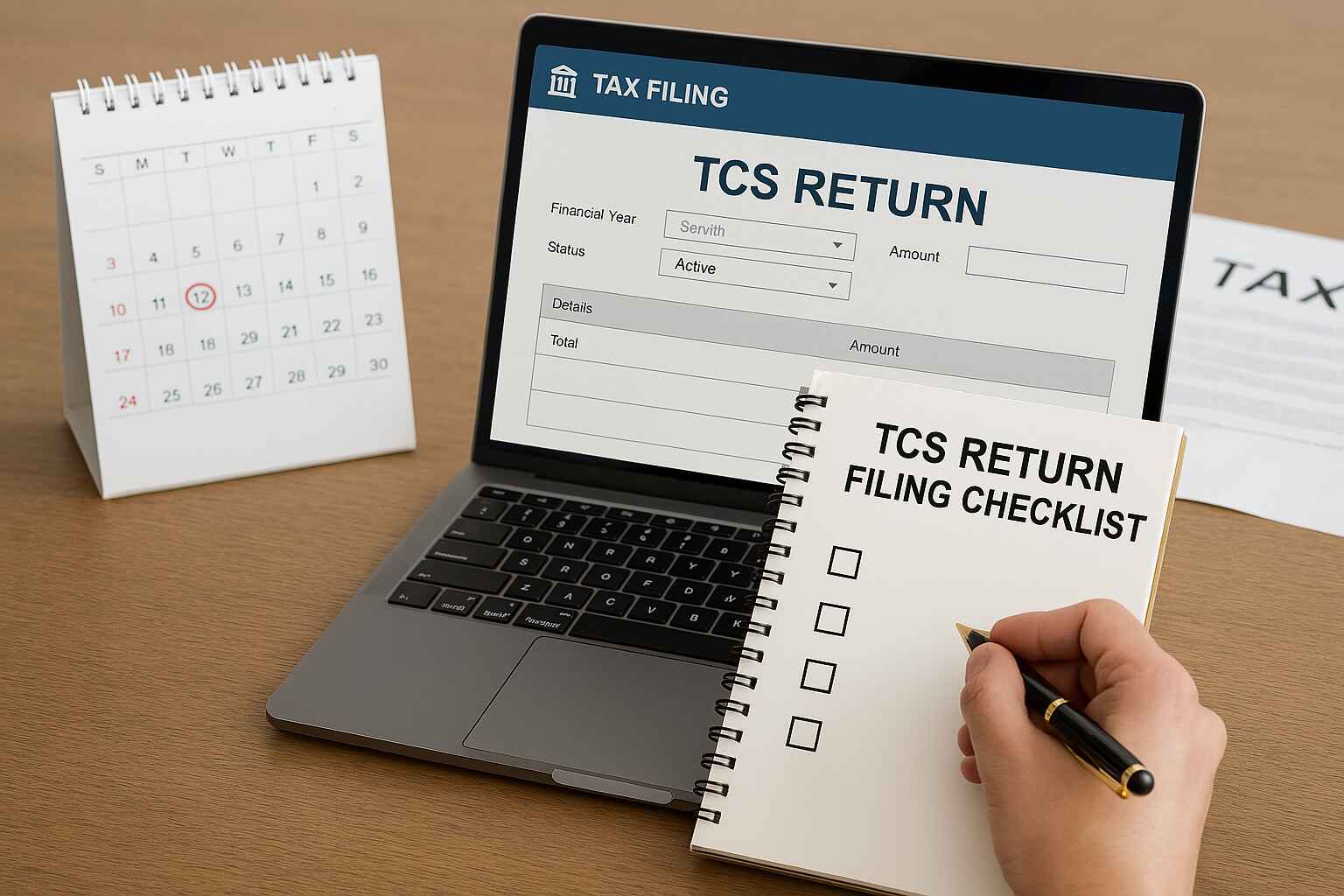
Tax Collected at Source (TCS) is a type of tax that certain sellers collect from buyers during the sale of specific goods and services. Understanding the TCS return due date and the process of filing TCS return is crucial for businesses to remain compliant with tax regulations.
Visit: https://ampuesto.in/tds-tcs-return
What Is TCS and Who Is Liable to Collect It?
TCS refers to the tax collected by a seller from the buyer during a sale of specific items. As per Section 206C of the Income Tax Act, certain sellers are required to collect tax from buyers at the point of sale. The seller then deposits the collected tax to the government.
Key Transactions for TCS Collection
-
Sale of alcoholic liquor for human consumption
-
Sale of forest produce (other than timber)
-
Sale of scrap
-
Sale of minerals like lignite, coal, and iron ore
-
Overseas tour packages
Who Is Required to File TCS Returns?
Businesses or entities collecting TCS must file TCS returns periodically. It is the responsibility of the collector to submit these returns accurately and within the specified due dates.
What Is the TCS Return Due Date?
The TCS return due date varies depending on the period for which the return is being filed. Usually, TCS returns are filed on a quarterly basis. The table below highlights the TCS return due dates:
Quarter
Period
Due Date
Q1
April - June
15th July
Q2
July - September
15th October
Q3
October - December
15th January
Q4
January - March
15th May
Consequences of Missing the Due Date
If the TCS return due date is missed, a penalty of Rs. 200 per day under Section 234E will be levied until the return is filed. The penalty, however, cannot exceed the TCS amount.
How to File TCS Return?
Filing a TCS return requires following a systematic approach to ensure accuracy. Below is a step-by-step guide to filing TCS returns online:
Step 1: Gather Necessary Documents
Before filing, ensure you have the following documents ready:
-
Tax Deduction and Collection Account Number (TAN)
-
PAN details of the collector and collectee
-
Challan details for tax deposited
-
TCS return file (Form 27EQ)
Step 2: Download the File Validation Utility (FVU)
Download the FVU from the TIN-NSDL website. This utility helps in preparing and validating the TCS return file.
Step 3: Prepare the Return File
Using the Return Preparation Utility (RPU), enter the required details, including:
-
TCS collected
-
PAN of the deductees
-
Tax deposit details
Step 4: Validate and Generate the File
After preparing the return, validate it using the FVU. This step ensures that the file is error-free before submission.
Step 5: Upload the TCS Return
Login to the TIN-NSDL portal and upload the validated return file (Form 27EQ) along with the Digital Signature Certificate (DSC).
Step 6: Acknowledgement
After successful submission, download the acknowledgement receipt for future reference.
Important Points to Remember
TCS Certificate (Form 27D)
After filing the TCS return, the collector must issue a TCS certificate (Form 27D) to the buyer. This certificate serves as proof that the tax has been collected and deposited.
Correction of TCS Return
If there are errors in the filed return, a correction statement can be submitted to rectify the mistakes. The revised return must also be filed through the TIN-NSDL portal.
How to Check the TCS Return Status?
After filing the return, it’s important to check the status to ensure successful processing. Follow these steps:
-
Visit the TIN-NSDL website.
-
Navigate to the ‘Status of TCS/TDS Statements’ page.
-
Enter your TAN and the relevant Provisional Receipt Number (PRN).
-
Submit the details to view the status.
Penalty for Non-Filing or Late Filing
Failing to file the TCS return on time can lead to hefty penalties:
-
Late Filing Fee (Section 234E): Rs. 200 per day till the default continues.
-
Penalty (Section 271H): Ranges between Rs. 10,000 and Rs. 1 lakh.
-
Interest on Late Payment: Interest at 1% per month on the unpaid TCS amount.
Benefits of Filing TCS Returns on Time
Avoid Penalties
Filing on time helps avoid penalties and ensures compliance with tax regulations.
Smooth Business Operations
Proper TCS filing maintains a clean financial record, ensuring hassle-free operations.
Legal Compliance
Businesses that comply with TCS return due dates avoid legal complications and scrutiny.
Improved Credibility
Timely filing reflects a company’s commitment to legal and financial responsibilities.
Conclusion
Understanding the TCS return due date and the steps to file TCS returns is essential for businesses to remain compliant with the tax laws. By adhering to deadlines and maintaining accurate records, businesses can avoid penalties and maintain their financial credibility. For expert assistance in filing TCS returns, contact AMpuesto today!
Source: https://ayema.ng/blogs/174656/What-Is-the-TCS-Return-Due-Date-and-How-to
-