Categories
Tags
-
#Scuba Diving
#Computers
#banking
##health
#Storage
#laptops
#Automobiles
#automotive
##Storage
#RealEstate
#self storage
#ayurveda
##travel
##legalservices
#Legal Services
# Business
#office space for rent
#coworking spaces
# onlineshopping
#buy perfumes
#careers
# #health
# travel
#"real estate"
##careers
##lawyers #lawyernear
##lifeinsurance
#Buy Mobile Phones Online
#dinnerware sets
##finance
##automotive
##insurance
#Mobile phones
#Homeappliance
#kitchenappliances
#homeappliances
#BestHotels
##stealth plate
##intellectual property
##vehiclestorage
##vehicles
Archives
A Beginner’s Guide to Buying Tableware for a New Home
-
Moving into your first home is exhilarating. The boxes are stacked high, the furniture slowly finds its place, and suddenly you realise—you need plates. And bowls. And mugs. The simple act of having breakfast becomes complicated when you are eating cereal out of a plastic container you brought from your old apartment. If you have been scouring wedding gifts online or putting together a registry, you have probably noticed just how overwhelming the world of tableware can be. But do not worry—choosing the right pieces for your table does not have to be a puzzle.
The truth is, tableware is more than just functional. It sets the mood for your meals, reflects your personality, and becomes part of your daily rituals. Whether you are hosting a dinner party or enjoying a quiet Sunday morning with coffee, the right dishes can make those moments feel special. So, let's walk through everything you need to know about building a tableware collection that works for your lifestyle, budget, and style.
Understanding What You Actually Need
Before you start shopping, take a moment to think about how you live. Are you someone who loves hosting elaborate dinner parties, or do you prefer intimate meals with one or two friends? Do you cook every night, or are you more of a takeout person who occasionally whips up a home-cooked meal? Your lifestyle should guide your choices.
For most people starting out, a basic set includes dinner plates, salad or dessert plates, bowls, and mugs or cups. A standard starter set for two to four people is usually sufficient if you are living alone or with a partner. You can always add more pieces as your needs grow. Think about your kitchen storage too—there is no point buying a twelve-piece setting if you only have cabinet space for six.
Materials Matter More Than You Think
Walk into any homeware store and you will be confronted with ceramic, porcelain, stoneware, bone china, melamine, and glass options. Each material has its own personality and practical considerations.
Porcelain and bone china are elegant and refined. They are typically lighter, more delicate, and often reserved for special occasions. Bone china, in particular, has a lovely translucent quality and is surprisingly durable despite its delicate appearance. However, these materials usually require more careful handling and are often not microwave or dishwasher safe in lower-quality versions.
Stoneware has become incredibly popular for everyday use, and for good reason. It is heavier, has a more casual feel, and is generally chip-resistant and dishwasher safe. The slightly rustic quality of stoneware fits beautifully with contemporary home aesthetics, and it is forgiving enough for daily wear and tear. If you are buying tableware as employee gifts or considering corporate gifts in Sri Lanka for your team, stoneware is practical and has a quality feel that people appreciate.
Ceramic is a broad category that encompasses everything from earthenware to fine porcelain. It is versatile and comes in countless styles and price points. The main thing to check is whether it is properly glazed and fired—low-quality ceramic can chip easily and may not stand up to regular use.
For families with young children, melamine is worth considering for everyday use. It is virtually unbreakable and comes in attractive designs that do not scream "plastic." Just remember it is not suitable for microwave use.
Colours, Patterns, and Personality
Here is where your personal style comes into play. The classic advice is to start with white or neutral tableware because it goes with everything, never goes out of style, and makes food look appealing. There is wisdom in this approach—white plates are like a blank canvas that lets your food be the star of the show.
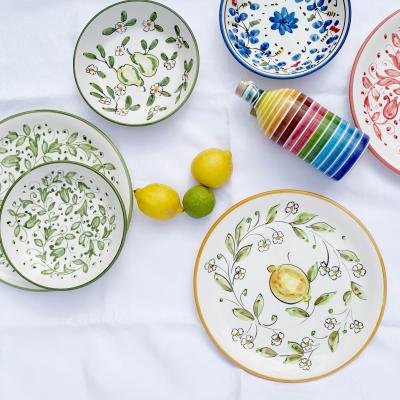
But do not let convention limit you. If you are drawn to bold patterns, rich colours, or artistic designs, embrace that. Your tableware should make you happy every time you use it. Just consider how the pieces will photograph if you like sharing meals on social media, and think about whether the pattern might tire you out over time. A middle ground is to choose neutral everyday pieces and add personality through accent plates, colourful bowls, or patterned mugs.
Mixing and matching has also become perfectly acceptable and even fashionable. You might choose crisp white dinner plates but pair them with colourful salad plates or patterned bowls. This approach lets you express creativity while maintaining cohesion, and it makes replacing broken pieces less stressful since you are not hunting for exact matches.
Quality Indicators to Look For
Not all tableware is created equal, even within the same material category. When you are examining pieces, look at the glaze—it should be smooth and even without bubbles or rough spots. Check the rims and edges; quality pieces have neat, finished edges rather than rough or uneven ones.
Pick up the piece and feel its weight. While this is subjective, very lightweight dishes can feel cheap and may not be as durable. Turn plates over and look at the base—a smooth, well-finished foot (the ring on the bottom) indicates better quality and will protect your table surfaces.
If you are shopping in person, do the tap test. Gently tap the piece with your fingernail. Quality porcelain and bone china produce a clear, bell-like ring, while lower-quality ceramics give a duller thud. Also check whether items are dishwasher and microwave safe if those features matter to you. In our busy lives, hand-washing delicate dishes often means they sit unused in the cabinet.
Building Your Collection Gradually
You do not need to buy everything at once. Start with the essentials for your household size plus two extra settings for guests. Use them, live with them, and see what else you might need. You might discover you use bowls constantly but rarely touch salad plates, or that you need more mugs than you initially thought.
This gradual approach also spreads out the expense and gives you time to refine your taste. What appeals to you now might not be what you want in six months once you have settled into your home. Popular options among the best housewarming gifts are often starter sets from quality brands that can be expanded later—friends and family appreciate giving something both practical and lasting.
As your collection grows, consider adding serving pieces, specialty items like pasta bowls or soup plates, and seasonal pieces for holidays. But be selective. Those adorable turkey-shaped plates might seem fun, but if you only use them once a year, they are taking up valuable cabinet space.
Practical Considerations for Real Life
Think about your daily routine. If you typically rush through breakfast, you want mugs that keep coffee hot and bowls that are generously sized for cereal. If you love plating elaborate dinners, you will want larger dinner plates that give you room for presentation.
Consider how pieces nest and stack. Space-efficient storage means you can own more pieces without cluttering your cabinets. Look at whether bowls fit inside each other, whether plates stack steadily, and whether mug handles align for easy storage.
Temperature retention is another factor people often overlook. Some materials, particularly thin porcelain, do not keep food warm very long. If you prefer leisurely meals, thicker stoneware or ceramic pieces maintain temperature better.
Where to Shop and What to Spend
Tableware is available at every price point imaginable. Department stores offer mid-range options with good variety, while specialty homeware shops stock higher-end designer pieces. Do not overlook discount retailers—they often carry surprisingly good quality basics at excellent prices. Online shopping opens up even more possibilities, though you miss the chance to handle pieces before buying.
Budget-wise, expect to spend anywhere from thirty dollars for a basic four-piece place setting to several hundred for premium brands. Remember that this is something you will use every single day, multiple times daily. Quality tableware can last decades, making it worthwhile to invest in pieces you truly love rather than buying cheap items you will want to replace soon.
Watch for sales around major holidays, seasonal transitions, and wedding season when retailers often discount tableware sets. Registry completion programs also offer discounts if you are getting married or have a reason to create a registry.
Making It Your Own
Ultimately, the best tableware for your home is what makes mealtimes enjoyable for you. Whether that is minimalist white porcelain, colourful handcrafted stoneware, or an eclectic mix of vintage finds, choose pieces that resonate with how you want to live. Your table is where life happens—conversations unfold, celebrations occur, and ordinary days become memorable. The dishes you eat from are part of that story, so make them count.