Categories
Tags
-
#auto brake pad
#Automobiles
#autoparts
#Automotive Brake Caliper Market
#Automobile service
#Brake Discs
#Automotive Electronic Brake System Market Size
#Auto Brake Systems manufacturers
#Automobile braking system
#auyomobile parts
#brakepadssupplier
#brakepads
#AUTOMONILE
#automobileparts
#discbrakepads
Archives
How long do brake pads last?
-
Posted by Mia Ketulla Filed in Other #auto brake pad #Automotive Brake Caliper Market #Automotive Electronic Brake System Market Size #Auto Brake Systems manufacturers 50 views
The components of the brake system include the brake pedal, booster, master cylinder, brake lines, wheel cylinders or brake calipers, and friction materials. Common brake systems include disc brakes and drum brakes. KETULLA specializes in manufacturing disc brake pads.
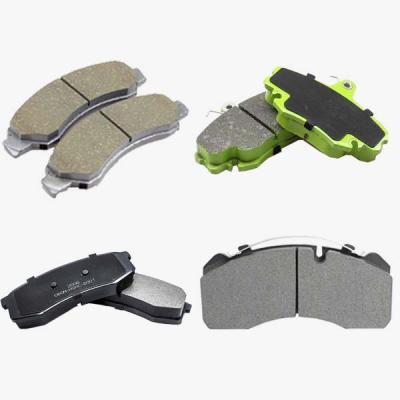
Brake pads are primarily composed of a metal backing plate, shim, and friction material. The friction material is responsible for generating friction between the brake pad and the brake rotor, while the shim, made of non-insulating material, serves to insulate and dampen noise. The friction block consists of friction material and adhesive, which are bonded together through heat and pressure to form the brake pad.
The main components of brake pads include a steel backing, adhesive insulation layer, friction material layer, noise insulator, and accessories. The adhesive, being the most crucial component in the friction material, can affect its thermal decomposition and mechanical properties. Reinforcement fibers are used to strengthen the base material, primarily made of mineral fibers, steel fibers, and organic fibers.
So how long do brake pads last?
Brake pads should be checked every 5000-10000 kilometers. We recommend users replace their brake pad after they have driven 30000 to 50000 kilometers. Lifetime of the brake pad is variable considering factors such as :
1)vehicle weight,
2)braking force distribution between the front and the rear axles, terrains,
3) personal driving habits,
4) climate and temperature etc.
It’s essential to regularly check brake pad wear and replace them as needed. Replacement intervals may vary depending on the type of brake pads and driving conditions.
Warning signs for brake pad replacement include decreased braking performance, increased braking distances, and abnormal noises.
1.New brake pads usually have a thickness of approximately 1 centimeter, with a usable limit of 3 millimeters. When the thickness of the brake pads approaches or falls below 0.3 centimeters, it’s time to replace them.
2. If you hear friction noises when lightly pressing the brakes, immediate replacement is necessary.
3.If brake pads are contaminated with oil, or show signs of abnormal wear or tearing, they should be replaced immediately.
Typically, brake pads are equipped with accessories such as brake pad wear indicators or sensors. Different vehicle models are matched with different brake pad warning devices; some use indicators, while others can be connected to the vehicle’s warning line. Once the brake pads wear to a certain extent, the warning line is triggered, emitting a squeaking sound to indicate the need for replacement because continuing to use worn brake pads is no longer safe.
We know that brake pads are crucial consumables in the brake system, and timely replacement is essential to maintain brake performance. Whether it’s wet, slippery, or snowy road conditions, contaminated friction materials, aging system components, or corrosion of components, regular inspection and timely replacement of brake pads are indispensable parts of brake maintenance.
Choosing reliable brake pads supplier and using certified products and services not only enhance the performance of the brake system but also ensure driving safety.
Welcom to get more knowledge about brake pads from this website: https://frenobrake.com/