Categories
Tags
-
#bathroom waterproof panel Factory
#PU sandwich panel
#building
#156-215.81 Latest Material
#Honeycomb Sandwich Panels
#Waterproof Exterior Wall Panels
#Metal house silding
#Fibreglass Sandwich Panel
#Wood Paneling
#PVC Wall Cladding
#Thermal Insulation Panels
#Contemporary Interior Wall
Archives
How Metal Siding Can Improve Your Home’s Energy Efficiency
-
As energy costs continue to rise, homeowners are constantly searching for ways to make their homes more energy-efficient. One of the most effective ways to reduce energy consumption and increase efficiency is by choosing the right exterior material for your home. Metal siding has emerged as a leading choice for those looking to enhance their home's energy performance. Offering excellent insulation, durability, and low maintenance, metal siding not only improves the look of your home but also contributes to lower heating and cooling costs. In this blog, Sandong building material company will explore how metal siding can improve your home’s energy efficiency and answer some commonly asked questions about its benefits and performance.
1. How Does Metal Siding Contribute to Energy Efficiency?
Metal siding is an excellent option for homeowners who are looking to make their homes more energy-efficient. The material itself offers unique properties that help to maintain a comfortable indoor temperature year-round, reducing the strain on your heating and cooling systems.
Reflective Coatings and Heat Regulation
One of the primary ways metal siding contributes to energy efficiency is through its reflective coatings. Metal siding, especially when treated with reflective materials, helps to reduce the amount of heat absorbed by your home. During the summer, the reflective surface works to bounce off the sun’s heat, keeping your home cooler without the need for excessive air conditioning. Similarly, in the winter, metal siding helps to retain heat inside the home by acting as a barrier to cold weather. This heat regulation reduces the energy needed to maintain a stable indoor temperature, ultimately lowering heating and cooling costs.Built-In Insulation for Added Efficiency
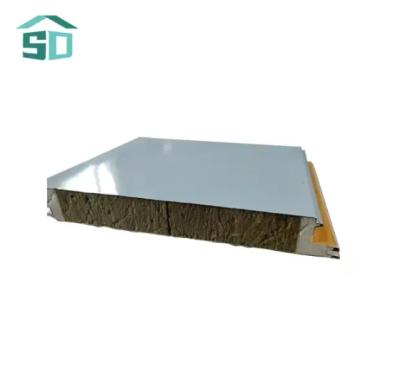
Another way metal siding enhances energy efficiency is through its built-in insulation properties. Many modern metal siding options feature integrated insulation layers, such as polyurethane or polystyrene foam, which help to increase thermal resistance. This additional insulation helps to prevent heat from escaping in the winter and keeps cool air inside during the summer. The result is a more consistent indoor temperature, which means your HVAC system works less to maintain the desired climate.Long-Term Savings
While the initial investment in metal siding may be higher compared to other siding materials, the long-term savings in energy costs can make it a worthwhile investment. Over time, the reduction in heating and cooling expenses, combined with the durability and low maintenance of metal siding, can lead to substantial cost savings. Many homeowners find that metal siding not only enhances their home’s aesthetic but also helps them reduce their environmental footprint by consuming less energy.2. Can Metal Siding Improve Insulation and Reduce Energy Costs?
A key benefit of metal siding is its ability to improve your home’s insulation, which directly contributes to reducing energy costs. Insulation works by preventing heat from escaping during colder months and by keeping cool air inside during warmer months. Metal siding, combined with appropriate insulation materials, offers superior performance in these areas.
Improved Insulation Properties
Metal siding is often paired with advanced insulation systems that boost the overall thermal performance of your home. Many metal siding options have foam-backed panels that increase the R-value, a measure of thermal resistance. This added insulation helps to minimize heat loss during winter and prevents heat from penetrating your home during the summer, keeping your indoor environment comfortable year-round. The improved insulation helps to reduce the workload of your HVAC system, meaning your furnace or air conditioning unit doesn’t need to run as frequently, leading to lower energy bills.Reduced Heat Transfer
Metal is naturally a poor conductor of heat, meaning it doesn't easily transfer heat from one side of the material to the other. When metal siding is installed correctly, it creates an effective barrier that helps to prevent heat transfer. This is particularly useful in areas with extreme temperature fluctuations, where insulating the exterior of your home can make a noticeable difference in energy savings. In fact, studies have shown that homes with metal siding and insulation can reduce their energy consumption by up to 20%, depending on the climate and the quality of the materials used.Energy Star Certified Metal Siding
When looking for metal siding options, it’s beneficial to choose products that are Energy Star certified. These materials meet the energy efficiency standards set by the U.S. Environmental Protection Agency (EPA) and are designed to provide enhanced insulation and reflectivity. Energy Star-rated metal siding can contribute to a significant reduction in heating and cooling costs, making it a smart investment for energy-conscious homeowners.3. What Are the Energy-Saving Benefits of Reflective Metal Siding?
Reflective metal siding is designed to offer superior energy efficiency by minimizing the heat absorbed by your home. This type of siding is typically made from materials such as steel or aluminum that have been coated with reflective pigments or materials. The energy-saving benefits of reflective metal siding are particularly evident in regions with hot climates, where cooling costs can account for a significant portion of your energy bill.
Cooling Benefits in Hot Climates
Reflective metal siding is highly effective at reflecting solar radiation away from your home, preventing the material from absorbing excess heat. This helps to keep your home cooler during the summer months, reducing the reliance on air conditioning. With reduced cooling needs, homeowners can experience a drop in their energy bills, particularly in areas where the temperature regularly exceeds 90°F (32°C). Reflective metal siding is a cost-effective solution for keeping homes cool, especially in regions with long, hot summers.Reduced Heat Island Effect
In urban areas where the “heat island effect” is common, reflective metal siding can help mitigate the impact. The heat island effect occurs when buildings and infrastructure absorb and retain heat, causing temperatures in urban environments to be higher than in surrounding rural areas. By using reflective metal siding, you can help reduce the amount of heat absorbed by your home, contributing to the overall cooling of the surrounding environment.Long-Term Energy Savings
The energy-saving benefits of reflective metal siding are not limited to just cooling. The reflective surface also helps to maintain the interior temperature of your home, reducing the need for both heating and cooling systems to work harder. This long-term energy efficiency can lead to significant savings over the lifespan of your siding. Homeowners who invest in reflective metal siding can expect to see reduced energy costs year after year.4. Does Metal Siding Help with Temperature Regulation?
Temperature regulation is one of the primary benefits of metal siding, and it plays a crucial role in improving energy efficiency. By keeping your home cooler in the summer and warmer in the winter, metal siding helps to reduce the load on your heating and cooling systems.
Keeping Cool in the Summer
During the summer months, the reflective properties of metal siding help to deflect heat from the sun, preventing it from penetrating the walls of your home. This is especially important in areas with intense summer heat, as it can keep the interior temperature of your home more comfortable. With reduced reliance on air conditioning, homeowners can see a significant decrease in their cooling costs.Maintaining Warmth in the Winter
In colder climates, metal siding helps to keep the warmth inside your home. When paired with insulation, metal siding creates a powerful barrier that helps to retain heat, ensuring that your home stays warm without requiring excessive energy usage. The combination of insulation and reflective metal siding is particularly effective at reducing energy consumption during the winter months.Consistent Indoor Comfort
Because metal siding helps to regulate temperature and improve insulation, your home’s interior remains at a more consistent temperature throughout the year. This contributes to overall comfort and helps to eliminate the uncomfortable hot or cold spots that can sometimes arise in poorly insulated homes.5. How Does Metal Siding Compare to Other Siding Materials in Terms of Energy Efficiency?
When considering siding options for your home, it’s important to compare the energy efficiency of metal siding to other popular materials such as wood, vinyl, and fiber cement. While each material has its own benefits, metal siding stands out for its superior performance in insulating homes and improving energy efficiency.
Wood Siding
While wood is a natural insulator, it tends to require more maintenance than metal siding, which can lead to energy inefficiency over time. Wood is also more prone to damage from moisture, which can compromise its insulating properties. Metal siding, on the other hand, is highly durable and resistant to moisture, making it a better long-term choice for energy efficiency.Vinyl Siding
Vinyl siding is often touted as a low-maintenance and affordable option, but it doesn’t offer the same level of insulation as metal siding. Vinyl can warp or crack over time, which can result in air leaks and reduced energy efficiency. Metal siding, especially when paired with foam-backed insulation, provides superior temperature regulation and insulation.Fiber Cement Siding
Fiber cement siding is a durable option, but it typically requires more maintenance than metal siding. It also does not offer the same reflective properties as metal, which means it may not perform as well in terms of energy efficiency. Additionally, fiber cement is more prone to moisture damage, which can affect its ability to maintain its insulating qualities.Conclusion
In conclusion, metal siding is an excellent choice for homeowners looking to improve their home's energy efficiency. With its ability to reflect heat, provide superior insulation, and regulate indoor temperatures, metal siding helps reduce heating and cooling costs while improving the comfort of your home. Whether you’re building a new home or updating your existing exterior, metal siding offers long-term benefits that make it a smart investment for both your wallet and the environment.
For more information on energy-efficient metal siding options, contact us at info@sdqsc.com.
The above is about the introduction of metal house siding, if you are interested in building materials, welcome to visit our website.
References:
- "Energy Efficiency and Metal Siding." Energy Star.
- "Reflective Metal Siding: Benefits and Applications." Siding Magazine.
- "How Metal Siding Improves Home Insulation." Home Improvement Weekly.
- "Comparing Siding Materials for Energy Efficiency." The Home Depot Blog.
- "Metal Siding and the Future of Energy Efficient Homes." Architectural Digest.
- "The Cost Benefits of Energy-Efficient Siding." Better Homes & Gardens.