Categories
Tags
-
#bathroom waterproof panel Factory
#PU sandwich panel
#building
#156-215.81 Latest Material
#Honeycomb Sandwich Panels
#Waterproof Exterior Wall Panels
#Metal house silding
#Fibreglass Sandwich Panel
#Wood Paneling
#PVC Wall Cladding
#Thermal Insulation Panels
#Contemporary Interior Wall
Archives
Exploring the Environmental Impact of Fibreglass Sandwich Panel
-
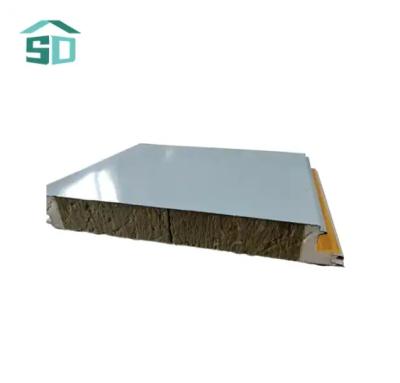
Fibreglass sandwich panels have become a popular choice in the construction industry due to their strength, versatility, and thermal efficiency. As we continue to face the challenges of climate change and increasing environmental awareness, it's important to assess the sustainability of the materials we use. Fibreglass sandwich panels, typically made of two fibreglass sheets enclosing an insulating core, offer numerous advantages, but how do they impact the environment? In this article, Sandong building material company will explore the environmental implications of using fibreglass sandwich panels, considering their production, lifespan, recyclability, and potential alternatives.
1. What Are the Environmental Benefits of Fibreglass Sandwich Panels?
Fibreglass sandwich panels are often considered an eco-friendly option in the construction sector. Their environmental benefits stem from the use of durable, insulating materials and efficient production methods. The combination of fibreglass and an insulating core, such as mineral wool or polyurethane, creates a lightweight and highly efficient material that contributes to energy savings over the lifespan of a building.
Energy Efficiency and Insulation
One of the primary environmental benefits of fibreglass sandwich panels is their exceptional thermal insulation properties. These panels provide high levels of thermal resistance, helping to reduce the energy consumption of buildings. By maintaining a consistent indoor temperature, buildings constructed with fibreglass sandwich panels require less heating in the winter and less cooling in the summer. This energy efficiency results in a lower carbon footprint throughout the building’s lifecycle, reducing the need for fossil fuels and lowering greenhouse gas emissions.
The insulation properties also help to minimize energy waste, which is a major contributor to environmental degradation. Since fibreglass sandwich panels improve energy efficiency, they reduce the overall demand for energy-intensive heating and cooling systems. This can lead to reduced operating costs for buildings and lower long-term environmental impacts associated with energy consumption.
Durability and Longevity
Fibreglass sandwich panels are known for their durability and long service life. These panels are resistant to corrosion, moisture, and pests, which means they require less maintenance over time. The extended lifespan of these panels reduces the frequency of replacements, thus conserving resources and reducing waste. Additionally, fewer maintenance repairs are necessary, which further minimizes the consumption of energy and materials.
A long-lasting product means fewer construction resources are consumed, which contributes to a more sustainable building process. By reducing the need for repairs or replacements, fibreglass sandwich panels contribute to the circular economy by decreasing the consumption of raw materials over time.
2. How Are Fibreglass Sandwich Panels Manufactured?
The production of fibreglass sandwich panels involves several stages, each with its own environmental impact. From the extraction of raw materials to the final product, understanding the manufacturing process is key to evaluating the sustainability of these panels.
Raw Materials
The primary components of fibreglass sandwich panels include fibreglass, an insulating core, and sometimes additional adhesives or coatings. Fibreglass itself is made from sand, soda ash, and limestone, which are melted and drawn into fibers. While these materials are abundant and widely available, the energy consumption during the production of fibreglass can be significant. High temperatures are required to melt the raw materials, leading to a considerable carbon footprint during manufacturing.
The insulating core material also plays a role in the environmental impact of fibreglass sandwich panels. Mineral wool, for example, is often used as the core material due to its excellent fire-resistant properties. Mineral wool is made from natural volcanic rocks, which are extracted from the earth, and the manufacturing process requires significant energy input. However, mineral wool is recyclable, which helps mitigate the environmental impact over time.
Polyurethane foam is another common insulating core material in fibreglass sandwich panels. Although polyurethane offers high thermal resistance and energy efficiency, the production of this material involves the use of chemicals, some of which may have a negative environmental impact. The production of polyurethane foam can release volatile organic compounds (VOCs) and other greenhouse gases, which contribute to air pollution and climate change.
Manufacturing Process
The production of fibreglass sandwich panels involves multiple stages, including the weaving of the fibreglass, the creation of the core material, and the bonding of these materials together. The process is energy-intensive, requiring large amounts of electricity to manufacture the panels. Furthermore, adhesives and coatings used during the bonding process may contain chemicals that can have environmental consequences if not properly managed.
However, advancements in manufacturing technologies have helped to reduce the environmental footprint of fibreglass sandwich panels. Modern production techniques focus on improving energy efficiency and reducing the use of harmful chemicals, contributing to more sustainable manufacturing practices.
3. Are Fibreglass Sandwich Panels Recyclable?
Recycling is a critical aspect of sustainability in the construction industry, and fibreglass sandwich panels are no exception. While fibreglass itself is a durable material, the recycling of fibreglass sandwich panels can be complex due to the combination of materials used in the panels.
Fibreglass Recycling
Fibreglass is technically recyclable, but the process is not as straightforward as recycling other materials like aluminum or glass. The challenge with recycling fibreglass lies in separating the fibreglass from the other components of the panel, such as the insulating core and any coatings or adhesives. The fibreglass itself is often reused in the production of new fibreglass materials, but the recycling process requires specialized facilities and can be energy-intensive.
As the demand for sustainability in the construction industry grows, researchers and companies are working on developing more efficient methods for recycling fibreglass materials. This includes improving the separation processes and exploring new technologies that allow for the reuse of fibreglass in other industries, such as automotive manufacturing or the production of new composite materials.
Recycling of Insulating Cores
The recycling potential of the insulating core material depends on the specific type used. Mineral wool, for example, can often be recycled, and its components can be used in the production of new insulation products. However, recycling rates for mineral wool are currently low, and many panels end up in landfills at the end of their life cycle.
Polyurethane foam, while highly effective as an insulating material, is more difficult to recycle due to the chemicals used in its production. Polyurethane foam is not commonly recycled, and most end up in landfills or incinerators. However, there is potential for improvement in the recycling of polyurethane, and some initiatives are underway to explore more sustainable options.
4. What Are the Alternatives to Fibreglass Sandwich Panels?
While fibreglass sandwich panels are an excellent choice for many construction projects, they are not the only option available. There are several alternative materials that may have different environmental impacts. Exploring these alternatives helps to understand the full spectrum of eco-friendly building materials.
Polycarbonate Panels
Polycarbonate sandwich panels are a lightweight alternative to fibreglass panels. They offer excellent insulation properties and can be more resistant to UV degradation than fibreglass. Polycarbonate is also recyclable, though the recycling process is still limited. However, polycarbonate panels may not offer the same level of fire resistance as fibreglass panels, making them less suitable for certain applications.
Steel Sandwich Panels
Steel sandwich panels are made with steel sheets and an insulating core, often mineral wool or expanded polystyrene. These panels are highly durable and fire-resistant, offering excellent thermal insulation. Steel is recyclable, and these panels can be reused at the end of their lifecycle, making them an environmentally-friendly option. However, steel production is energy-intensive, and the process contributes to carbon emissions.
Wood and Bamboo Panels
Wood and bamboo are renewable materials that have gained popularity in sustainable building practices. Wood panels, particularly when sourced from responsibly managed forests, have a lower environmental impact compared to synthetic materials. Bamboo panels, in particular, are strong, lightweight, and rapidly renewable, making them a sustainable alternative. However, wood and bamboo panels may not provide the same level of thermal insulation or fire resistance as fibreglass sandwich panels.
5. How Can the Environmental Impact of Fibreglass Sandwich Panels Be Reduced?
While fibreglass sandwich panels have many environmental benefits, there are several ways in which their environmental impact can be reduced. These strategies focus on improving manufacturing practices, recycling, and reducing waste throughout the lifecycle of the panels.
Improving Manufacturing Efficiency
One of the most effective ways to reduce the environmental impact of fibreglass sandwich panels is to improve the energy efficiency of the manufacturing process. Manufacturers can adopt renewable energy sources, such as solar or wind power, to reduce carbon emissions during production. Additionally, optimizing the use of raw materials and reducing waste during manufacturing can help lower the overall environmental footprint.
Recycling and Reuse
Increasing the recycling rates of fibreglass sandwich panels is another key strategy. By developing more efficient recycling processes and encouraging the reuse of materials, the construction industry can reduce the amount of waste sent to landfills. Companies can also design panels with easier disassembly, allowing for more efficient separation of materials and improving recycling potential.
Sustainable Material Selection
Manufacturers can explore the use of more sustainable materials for the insulating core and other components of fibreglass sandwich panels. For example, using recycled materials for the core or incorporating bio-based materials could reduce the environmental impact of these panels. Additionally, opting for non-toxic adhesives and coatings can help make fibreglass sandwich panels even more environmentally friendly.
The above is about the basic introduction of glass fiber sandwich board, if you are interested in building materials, welcome to visit our website.
References:
- European Commission (2020). "Environmental Impacts of Building Materials."
- "Fibreglass Insulation: Recycling and Sustainability," Green Building Advisor, 2023.
- "Sustainable Construction Materials: Alternatives to Fibreglass Panels," Sustainable Construction Journal, 2024.
- Sandong Building Materials. "Advanced Technologies and Sustainability in Building Materials," 2025.
For more information, contact us at info@sdqsc.com.