How to Choose the Right Heavy-Duty Shelving for Your Home
-
Posted by Lucy Zheng Filed in Family & Home #how to #Rack Shelving #shelves #UK Home #garage shelving 32 views
For many UK homeowners, storage space slowly becomes a daily frustration rather than a simple household task. Garages turn into dumping grounds for tools, seasonal decorations, paint tins, and gardening equipment. Spare rooms fill up with unopened boxes. Sheds become cluttered and difficult to access safely. Over time, items end up stacked on floors or balanced in unstable piles, making it harder to find what you need and increasing the risk of accidents.
One of the most effective solutions to these storage challenges is installing heavy-duty shelving. However, choosing the right shelving isn’t as straightforward as it sounds. UK homes face unique challenges, including limited garage space, unpredictable weather, and persistent damp conditions that can affect both stored items and shelving materials.
Understanding how to choose the most suitable heavy-duty shelving requires considering weight capacity, materials, environment, and the type of items you plan to store. When chosen correctly, shelving can transform cluttered areas into organised, safe, and long-lasting storage spaces.
Why Heavy-Duty Shelving Matters in UK Homes
Many homeowners initially purchase standard shelving units, only to discover they cannot support heavier household items. Overloaded shelves can bend, wobble, or collapse entirely, creating safety hazards and damaging stored belongings.
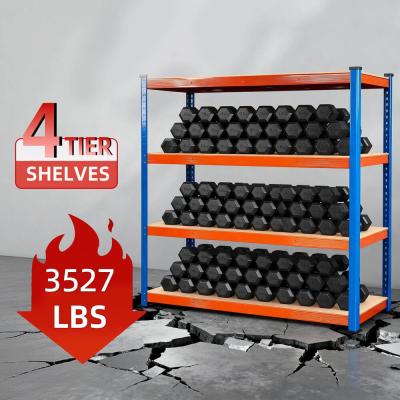
Heavy-duty shelving offers stronger frames, reinforced supports, and higher load capacities designed to handle demanding storage environments. In UK households, these shelving systems are especially useful for garages, utility rooms, sheds, and workshops where heavier or bulkier items are commonly stored.
Additionally, British garages and storage areas are often exposed to moisture. Choosing shelving designed to withstand damp conditions helps prevent rust, mould, and structural weakening over time.
Understanding Shelf Load Capacity
One of the most important factors when choosing heavy-duty shelving is weight capacity, often listed as kilograms per shelf. Selecting the correct load rating ensures both safety and durability.
Shelving Rated at Around 200kg Per Shelf
Shelving with a load capacity of approximately 200kg per shelf is ideal for general household storage. This level suits homeowners who need to organise everyday items without storing extremely heavy equipment.
Common uses include:
-
Boxes of seasonal decorations
-
Cleaning supplies and bulk household products
-
Camping and travel equipment
-
Lightweight gardening tools
-
Pet supplies and food storage
For many UK households, 200kg shelving provides a practical balance between strength and affordability. It works well in smaller garages, utility cupboards, and indoor storage rooms where items are moderately heavy but not industrial in nature.
Shelving Rated at Around 300kg to 400kg Per Shelf
Shelving rated between 300kg and 400kg per shelf offers significantly increased strength and is ideal for more demanding storage needs. This level is particularly useful for homeowners with garages that double as workshops or tool storage areas.
Typical storage applications include:
-
Power tools and machinery
-
Toolboxes and hardware collections
-
Paint tins and building materials
-
Car maintenance equipment
-
Bulk garden supplies such as compost or fertiliser
This category is often considered the most versatile heavy-duty shelving option because it accommodates both household and hobby-based storage while maintaining long-term structural reliability.
Shelving Rated at 500kg Per Shelf or Higher
For homeowners who store extremely heavy or dense items, shelving rated at 500kg or more per shelf provides maximum strength and durability. While this level is often associated with commercial or industrial use, it can be extremely useful in certain domestic environments.
Examples include:
-
Engine parts or automotive components
-
Large quantities of building materials
-
Professional workshop equipment
-
Extensive tool collections
-
Heavy storage crates
Although higher-capacity shelving requires a larger investment, it offers unmatched stability and safety for serious storage demands.
Choosing Shelving Materials for Damp UK Conditions
Moisture is one of the biggest challenges for storage in British garages and sheds. Poor ventilation, temperature fluctuations, and rainfall can create damp environments that damage both shelving and stored items.
Powder-Coated Metal Shelving
Powder-coated steel shelving is one of the most popular choices for UK homeowners. The protective coating helps resist rust and corrosion while providing strong structural support.
It performs well in garages and utility rooms where humidity levels fluctuate throughout the year.
Galvanised Steel Shelving
Galvanised shelving is specifically designed for environments exposed to moisture. The zinc coating protects the steel frame from rust, making it highly suitable for outdoor sheds or garages prone to dampness.
For long-term storage in challenging environments, galvanised shelving often provides the best durability.
MDF or Reinforced Board Shelves
Many heavy-duty shelving units include MDF or reinforced composite boards for shelf surfaces. These boards offer strong support and help distribute weight evenly.
However, homeowners should ensure boards are sealed or coated if they will be exposed to damp conditions, as untreated boards may absorb moisture over time.
Considering Garage Layout and Space Limitations
UK garages are often narrower than those in other countries and frequently used for storage rather than vehicle parking. Choosing shelving that maximises vertical space can significantly improve organisation without reducing floor space.
Boltless shelving systems are especially popular because they are easy to assemble and allow flexible shelf height adjustment. This makes it easier to store items of different sizes, from small toolboxes to larger storage containers.
Positioning shelving units along garage walls or in corners helps create clear walkways while maintaining easy access to stored belongings.
Safety Tips When Installing Heavy-Duty Shelving
Even the strongest shelving requires proper installation to perform safely.
Distribute Weight Evenly
Place heavier items on lower shelves to improve stability and reduce tipping risks.
Secure Shelving to Walls When Possible
Anchoring shelving units provides extra support, particularly in busy garages or homes with children or pets.
Avoid Exceeding Load Limits
Manufacturers specify load ratings for a reason. Overloading shelves reduces lifespan and increases safety risks.
Keep Damp Items Contained
Store liquids or damp tools in sealed containers to prevent moisture damage to shelving and surrounding items.
Matching Shelving Strength to Real Household Needs
One of the most common storage mistakes is purchasing shelving based solely on price or appearance rather than intended use. Homeowners should first evaluate what they plan to store both now and in the future.
A household that only stores seasonal decorations and cleaning supplies may only require 200kg shelving. A homeowner who frequently undertakes DIY projects or vehicle maintenance may benefit from 300kg to 400kg shelving. Those operating home workshops or storing heavy equipment should consider shelving rated above 500kg for long-term safety and reliability.
Planning ahead helps avoid replacing shelving later as storage needs grow.
Common Storage Problems Heavy-Duty Shelving Can Solve
Heavy-duty shelving helps address several everyday household challenges.
It reduces clutter by lifting items off floors, making spaces easier to clean and navigate. It improves organisation by creating designated storage zones. It protects belongings from moisture and accidental damage. It also enhances safety by preventing unstable stacking of heavy items.
For UK homeowners managing limited storage space, these benefits can make garages, sheds, and utility rooms far more functional.
Frequently Asked Questions
How Do I Know What Shelf Load Capacity I Need?
Start by estimating the weight of the heaviest items you plan to store. Always choose shelving with a higher load rating than your estimated weight to provide a safety margin and allow for future storage needs.
Is Heavy-Duty Shelving Suitable for Damp Garages?
Yes, but material choice is essential. Powder-coated or galvanised steel shelving performs best in damp environments. Proper ventilation and avoiding direct contact with wet items will further extend shelving lifespan.
Creating a More Organised and Practical Home Storage Space
Heavy-duty shelving can dramatically improve storage efficiency in UK homes when selected carefully. By choosing shelving with appropriate weight capacity, moisture resistance, and flexible design, homeowners can safely store everything from seasonal decorations to workshop equipment.
For households looking to improve garage and utility storage, Home Pet Essentials offers a range of heavy-duty shelving solutions designed with UK storage conditions in mind. Their shelving systems combine strong load capacity, durable materials, and adjustable configurations suitable for garages, sheds, and indoor storage areas.
With the right shelving in place, even the most cluttered storage space can become organised, accessible, and reliable for years to come.
-