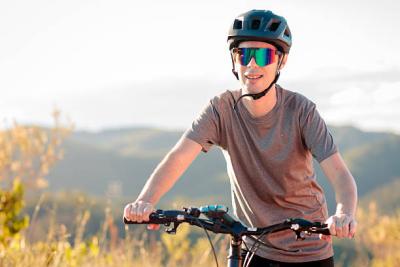
Why Mountain Bike Goggles Are Becoming Essential for Serious Ri
-
Mountain biking has evolved far beyond casual trail rides. Modern riders tackle faster descents, tighter singletrack, bike parks, enduro stages, and long backcountry routes that demand focus and control. As riding styles progress, so does the gear—and goggles are becoming an increasingly important part of that setup.
Once associated mainly with motocross and downhill racing, mountain bike goggles are now used by trail riders, enduro racers, and park enthusiasts who want better vision, protection, and confidence on demanding terrain. Understanding why more riders are making the switch helps clarify whether goggles belong in your own kit.
Vision Directly Impacts Control on the Trail
Mountain biking is a constant visual workout. Riders must read terrain, judge traction, and react quickly to roots, rocks, drops, and changing surfaces. When your vision is compromised—even slightly—your riding becomes more cautious and less fluid.
Standard sunglasses can work in mellow conditions, but they often fall short when speeds increase or trails get rough. Goggles offer a more secure and immersive field of view, reducing distractions caused by shifting frames, airflow, or debris.
Clear vision helps riders:
· Pick better lines at speed
· Maintain confidence through technical sections
· React faster to unexpected obstacles
· Stay relaxed instead of tense and reactive
When you stop worrying about what your eyes are dealing with, you can put more attention into body position and bike control.
Protection From Trail Hazards You Can’t Always See
Trails aren’t predictable. Branches, kicked-up gravel, insects, and sudden gusts of dust are part of riding—especially on shared trails or dry terrain. Goggles act as a full barrier, shielding your eyes from impacts and irritation that can quickly ruin a ride.
This protection becomes even more valuable in group rides or bike parks, where riders ahead can throw dirt and debris without warning. Goggles reduce the instinctive blinking and flinching that can throw off your balance at the worst moments.
For riders who spend long hours on the bike, eye fatigue and dryness also add up. Goggles help reduce constant wind exposure, making extended rides more comfortable and controlled.
Stability Matters More Than Style
One of the biggest differences riders notice when switching from sunglasses to goggles is stability. Goggles are designed to stay put—even during aggressive riding—because they work as part of a helmet-and-strap system rather than resting lightly on the face.
This stability means:
· No sliding during steep descents
· No bouncing on rough trail chatter
· No constant readjusting with one hand
When eyewear stays exactly where it should, riders can keep both hands focused on braking, steering, and balance.
Fit and Comfort Over Long Rides
Comfort isn’t just about padding—it’s about pressure distribution. Poorly fitting eyewear creates hotspots around the nose or temples, which become increasingly noticeable as rides stretch longer.
Well-designed mountain bike goggles spread pressure evenly across the face, using foam and frame geometry that work with helmet padding rather than fighting it. When goggles fit correctly, they feel secure without being tight and protective without being intrusive.
This balance is especially important for enduro riders and trail riders who climb and descend in the same session. Goggles that feel fine for a quick downhill can become unbearable after hours of riding if comfort isn’t dialed in.
Managing Fog and Changing Conditions
Mountain biking exposes riders to varied conditions—cool climbs, warm descents, shade-to-sun transitions, and sudden weather changes. Fogging is a common concern, but it’s usually the result of poor airflow or mismatched gear rather than an unavoidable problem.
Good habits help minimize fog:
· Avoid overtightening straps, which can trap heat
· Keep foam clean so it can breathe properly
· Let goggles dry fully between rides
· Pair goggles with a helmet that supports airflow
When goggles are chosen with trail riding in mind, they can perform well across a wide range of conditions without becoming a distraction.
Goggles Aren’t Just for Downhill Riders Anymore
While downhill racers popularized goggles, many trail and enduro riders now see them as a performance upgrade rather than overkill. As trails become faster and bikes more capable, eyewear needs to keep pace.
Riders who switch often report:
· Feeling more confident at speed
· Less eye strain on long rides
· Better focus in technical terrain
It’s not about riding harder—it’s about riding with fewer limitations.
What to Look for in Mountain Bike Goggles
If you’re considering goggles for mountain biking, focus on practical features rather than hype:
· Secure fit with helmets you already use
· Comfort for both climbing and descending
· Clear, undistorted vision
· Effective sealing against dust and wind
· Durability for frequent use and cleaning
Goggles that meet these criteria integrate seamlessly into your riding instead of feeling like extra gear.
A Practical Option for Trail, Enduro, and Park Riders
For riders looking to explore goggles designed specifically for mountain biking and dirt-focused riding, it helps to start with collections built around those conditions. One option to check out is Mountain bike goggles by Detour, which are designed with stability, comfort, and trail performance in mind.
Final Thoughts
Mountain bike goggles aren’t about copying downhill racers—they’re about improving the riding experience where vision, comfort, and protection intersect. As trails get faster and rides get longer, dependable eyewear becomes a performance tool rather than an accessory.
If sunglasses feel limiting on technical or high-speed terrain, goggles may be the missing piece. Clear vision and confident focus can transform how you ride—and how much you enjoy every mile of trail.