How NGO strengthen the impact of the Mahila Panchayat Programme
-
Posted by Sakshi Sharma Filed in Society #women empowerment #mahila panchayat #NGO for women 130 views
The Mahila Panchayat Programme is one of India’s most impactful community-based initiatives for women seeking support against domestic violence, abuse, and gender-based discrimination. While the programme is rooted in community leadership, its true strength lies in the dedicated involvement of NGOs that help establish, train, and empower these groups of women. NGOs ensure that Mahila Panchayats not only exist but function effectively, ethically, and with long-term impact.
In this blog, we explore how NGOs play a critical role in strengthening and expanding the reach of the Mahila Panchayat Programme across India.
1. NGOs Bring Women Together at the Grassroots Level
One of the biggest challenges in marginalized communities is awareness. Many women are unaware of their rights, legal protections, or avenues for help. NGOs step in by mobilizing women at the grassroots, through door-to-door visits, community meetings, and local campaigns.
They help identify women who require support or those who can become leaders within the Mahila Panchayat. This outreach ensures the programme reaches homes, lanes, and settlements where women are often isolated due to social or economic limitations.
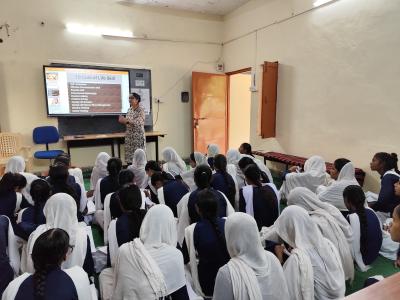
2. NGOs Provide Capacity Building & Training
A Mahila Panchayat is most effective when its members are confident, informed, and trained to handle sensitive issues. NGOs design and deliver structured training modules that cover:
-
Understanding of domestic violence laws
-
Rights under the Protection of Women from Domestic Violence Act
-
Methods of counseling and emotional support
-
Conflict mediation and negotiation
-
Safety planning for women in crisis
-
Documentation and record-keeping
-
Ethical and confidential handling of cases
Through these training sessions, NGOs help Panchayat members transform into capable community leaders who can support other women effectively and make them empowered.
3. Act as a Link Between Communities and Institutions
While Mahila Panchayats operate at the community level, many situations require intervention from formal institutions. NGOs bridge this gap by coordinating with:
-
Police stations
-
Protection officers
-
Legal aid cells
-
Lawyers
-
Medical services
-
Shelter homes
-
Government departments
This support ensures cases are escalated properly and women receive timely assistance. NGOs also advocate with authorities to ensure women are treated respectfully and their cases are taken seriously.
4. Provide Safe Spaces & Counseling Support
For many women, the Mahila Panchayat is the first safe and supportive environment they experience outside their home. NGOs help create these safe spaces by offering:
-
Counseling and emotional healing
-
Group discussions
-
Awareness workshops
-
Legal literacy sessions
These interactions help women break their silence, rebuild confidence, and make informed decisions about their lives.
5. Enhance Community Awareness & Prevention
NGOs conduct campaigns, street plays, workshops, and awareness drives to educate communities about women’s rights, domestic violence prevention, gender equality, and laws protecting women. These efforts help shift harmful attitudes and make communities more supportive of the Panchayat’s work.
6. Monitoring, Documentation, and Accountability
These organisations maintain proper records of cases, meetings, and outcomes which is very crucial for:
-
Tracking progress
-
Identifying recurring issues
-
Improving intervention strategies
-
Reporting to funding agencies
-
Influencing policy improvement
Conclusion
The Mahila Panchayat Programme is a testimony to the power of women-led community systems. However, its success would not be possible without the committed involvement of NGOs. By mobilizing women, offer them skill development training, building institutional linkages, raising awareness, and maintaining accountability, NGOs ensure that the programme reaches the women who need it most.
Together, Mahila Panchayats and NGOs in India create a strong network of support, empowering women to speak up, seek justice, resolve conflicts safely, and rebuild their lives with dignity. Strengthening this collaboration is essential for creating safer, more informed, and more equitable communities across India.
-