Categories
Tags
-
#Healthcare Uniforms
#Mobility Aids
#overbed tables
#bed side rails
#urine collection
#urine sample collection
#surgical tapes
#infrared thermometers
#healthcare uniforms online
#wheelchair
#leather doctor bags
#sterile powder-free gloves
#Pulse Oximeters
#nebuliser machine
#Hospital Mattresses
#Pulse Oximeter
Archives
Pulse Oximeters: Importance, Uses, and Benefits in ModernHealth
-
Introduction
In modern healthcare, early detection and continuous monitoring play a crucial role in preventing serious medical complications. One medical device that has become increasingly important in both clinical and home care settings is the pulse oximeter. This compact yet powerful tool is used to measure oxygen levels in the blood and monitor pulse rate, providing critical insights into a person’s respiratory and cardiovascular health.
A SpO2 monitor, also known as an oxygen saturation monitor, is widely used by healthcare professionals, caregivers, and individuals managing chronic health conditions. Its ability to deliver fast, non-invasive, and accurate readings has made it an essential component of today’s healthcare ecosystem.
What Is a Pulse Oximeter?
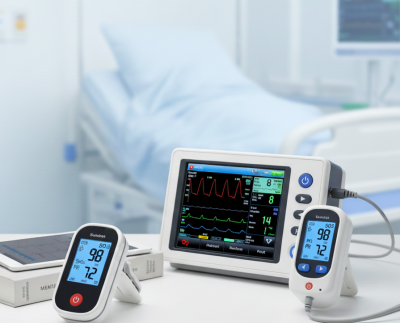
A pulse oximeter is a non-invasive medical device designed to measure the oxygen saturation level (SpO₂) in the blood. Oxygen saturation indicates how effectively oxygen is being transported to the body’s organs and tissues.
A typical SpO2 monitor is clipped onto a fingertip and uses light sensors to detect oxygen levels. Within seconds, the device displays:
-
Oxygen saturation percentage (SpO₂)
-
Pulse rate
Because it does not require blood samples or invasive procedures, an oxygen saturation monitor is safe, painless, and easy to use for people of all ages.
How a SpO2 Monitor Works
A SpO2 monitor works by emitting red and infrared light through the skin, usually via the fingertip. The device analyzes how much light is absorbed by oxygenated and deoxygenated hemoglobin in the blood.
Based on this absorption, the pulse oximeter calculates the oxygen saturation level and displays it digitally.
Normal oxygen saturation levels generally range between 95% and 100%. Readings below this range may indicate breathing difficulties or underlying medical conditions that require attention.
Importance of Oxygen Saturation Monitoring in Healthcare
Monitoring oxygen levels is a critical aspect of healthcare, particularly for patients with respiratory or cardiovascular conditions. An oxygen saturation monitor allows healthcare providers to detect early signs of oxygen deficiency before symptoms become severe.
Early Detection of Health Issues
Low oxygen levels can indicate conditions such as asthma, pneumonia, chronic obstructive pulmonary disease (COPD), or heart-related problems. A pulse oximeter helps identify these issues early, allowing timely medical intervention.
Continuous Patient Monitoring
In hospitals and clinics, SpO2 monitors are used during surgeries, emergency care, and recovery to ensure patient stability.
Support for Preventive Healthcare
Regular use of an oxygen saturation monitor supports preventive healthcare by enabling continuous health tracking rather than reactive treatment.
Uses of Pulse Oximeters in Medical Settings
Hospitals and Clinics
In professional healthcare environments, pulse oximeters are standard equipment. They are used in:
-
Emergency departments
-
Intensive care units
-
Operating rooms
-
Outpatient clinics
Healthcare professionals rely on accurate SpO2 monitors to monitor patients during procedures and recovery.
Home Healthcare
With the rise of home-based medical care, pulse oximeters are now commonly used outside hospitals. Home oxygen monitoring allows patients to track their health without frequent clinic visits.
Elderly Care
Elderly individuals often experience reduced lung function or circulation issues. An oxygen saturation monitor helps caregivers monitor oxygen levels and respond quickly to changes.
Pulse Oximeters for Chronic Disease Management
A pulse oximeter is especially valuable for individuals managing long-term medical conditions, including:
-
Asthma
-
COPD
-
Heart disease
-
Sleep apnea
-
Post-surgical recovery
By using a SpO2 monitor regularly, patients can better understand their condition and share accurate data with healthcare providers.
Benefits of Using a Pulse Oximeter
Non-Invasive and Painless
A pulse oximeter provides vital health information without needles, blood tests, or discomfort.
Fast and Accurate Readings
Modern oxygen saturation monitors deliver results within seconds, supporting quick decision-making.
Easy to Use
Most SpO2 monitors feature one-button operation and clear digital displays, making them accessible to all age groups.
Portable and Lightweight
Compact pulse oximeters are easy to carry, making them ideal for travel and daily monitoring.
Cost-Effective Health Monitoring
Regular oxygen monitoring reduces unnecessary hospital visits and supports long-term health management.
Who Should Use an Oxygen Saturation Monitor?
An oxygen saturation monitor is recommended for:
-
Patients with respiratory conditions
-
Elderly individuals
-
Athletes monitoring oxygen performance
-
Post-operative patients
-
Home caregivers and nurses
Healthcare professionals often recommend clinically tested pulse oximeters to ensure accurate and reliable readings.
Choosing the Right Pulse Oximeter
When selecting a pulse oximeter, several factors should be considered:
-
Accuracy and medical certification
-
Display clarity
-
Battery life
-
Ease of use
-
Suitability for clinical or home use
Reliable medical suppliers provide SpO2 monitors that meet healthcare standards and ensure consistent performance.
Role of SpO2 Monitors in Preventive Healthcare
Preventive healthcare focuses on early detection and continuous monitoring. A SpO2 monitor aligns perfectly with this approach by enabling individuals to track oxygen levels daily and identify health changes early.
By using an oxygen saturation monitor regularly, patients can take proactive steps to manage their health and reduce the risk of emergencies.
Pulse Oximeters and the Future of Healthcare
As healthcare moves toward remote monitoring and patient-centered care, pulse oximeters continue to gain importance. These devices empower individuals to take control of their health while supporting healthcare providers with accurate, real-time data.
Advancements in medical technology are making SpO2 monitors more accurate, user-friendly, and accessible, further strengthening their role in modern healthcare systems.
Conclusion
Pulse oximeters have become indispensable tools in modern healthcare, offering accurate, non-invasive, and convenient monitoring of oxygen levels. Whether used in hospitals, clinics, or home care settings, a pulse oximeter, SpO2 monitor, or oxygen saturation monitor plays a vital role in improving patient outcomes and supporting preventive care.
With increasing awareness of personal health monitoring, oxygen saturation monitors are no longer optional devices but essential healthcare tools. Choosing high-quality pulse oximeters from trusted medical suppliers ensures accuracy, safety, and long-term health benefits.
-