Categories
Tags
-
#Healthcare Uniforms
#Mobility Aids
#overbed tables
#bed side rails
#urine collection
#urine sample collection
#surgical tapes
#infrared thermometers
#healthcare uniforms online
#wheelchair
#leather doctor bags
#sterile powder-free gloves
#Pulse Oximeters
#nebuliser machine
#Hospital Mattresses
#Pulse Oximeter
Archives
How to Choose the Right Pulse Oximeter for Home and Clinical Us
-
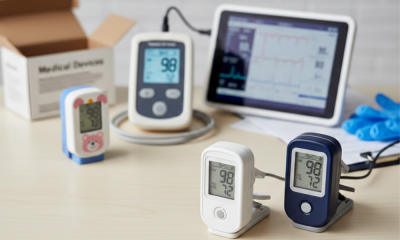
Pulse oximeters have become an essential medical device for monitoring blood oxygen saturation (SpO₂) and pulse rate. Widely used in hospitals, clinics, and home healthcare settings, these compact devices help detect early signs of respiratory or cardiovascular issues. However, choosing the right pulse oximeter depends largely on where and how it will be used. Understanding key features and quality indicators can help ensure accurate and reliable monitoring.
Accuracy and Clinical Reliability
Accuracy is the most critical factor when selecting a pulse oximeter. A high-quality device should provide consistent readings even with repeated measurements. For clinical use, hospital-grade oximeters are preferred due to their advanced sensors and validated performance. For home use, certified fingertip pulse oximeters that meet medical standards generally offer sufficient accuracy for routine monitoring.
Ease of Operation
A user-friendly design is especially important for home users, elderly individuals, and caregivers. Devices with one-button operation and quick result display are easier to use without medical training. In clinical environments, healthcare professionals may prefer models with faster response times and additional monitoring controls to support patient care.
Display and Readability
A clear and bright display allows users to read oxygen saturation and pulse rate without difficulty. Features such as adjustable brightness, rotating screens, and large digital numbers improve visibility. Clinical pulse oximeters often include waveform displays and signal strength indicators, which assist in assessing measurement quality.
Key Measurement Features
Standard pulse oximeters measure SpO₂ levels and pulse rate. Advanced models may include additional parameters such as perfusion index, plethysmographic waveforms, or alarm alerts for abnormal readings. While basic features are adequate for home monitoring, clinical settings may require enhanced functionality for continuous patient observation.
Comfort and Sensor Fit
Proper fit plays a significant role in both comfort and accuracy. The device should sit securely on the finger without causing discomfort or excessive pressure. Specialized probes are available for pediatric, neonatal, or long-term monitoring in hospitals, ensuring reliable results across different patient groups.
Build Quality and Durability
In hospitals and clinics, pulse oximeters are used frequently and must withstand regular handling and cleaning. Durable construction and high-quality sensors contribute to long-term reliability. Home users may prioritize portability and lightweight design, but the device should still feel solid and well-made.
Battery Life and Power Efficiency
Battery performance is an important consideration, especially for continuous or frequent monitoring. Fingertip pulse oximeters usually operate on replaceable batteries, while professional models may offer rechargeable options. A low-battery warning feature helps prevent interruptions during use.
Certifications and Medical Standards
Devices that comply with recognized medical standards offer greater confidence in safety and performance. Certifications such as FDA approval or CE marking indicate that the pulse oximeter has undergone proper testing. This is particularly important in clinical environments where patient safety is a priority.
Choosing Based on Intended Use
For home use, a compact, portable, and affordable pulse oximeter is typically sufficient for periodic health checks. In contrast, clinical settings require more advanced devices capable of continuous monitoring, higher accuracy, and integration with other medical equipment. Selecting a device based on its intended environment ensures optimal performance.
Cost and Overall Value
The best pulse oximeter is one that balances accuracy, features, and cost. For personal use, a mid-range certified device often provides excellent value. Healthcare facilities, on the other hand, may benefit from investing in professional-grade equipment that supports long-term clinical needs and efficient patient care.
original article - Click Here