Categories
Tags
-
#strategy
#fitness
#Travel
#adventure
#swimming
#skills
#training
#sports
#Health
#Motivation
#Volleyball
#recovery
#hiking
#basketball
#personal growth
#gym
#mental health
#wellness
#camping
#prediction
#strength training
#Mountain Biking
#Travel adventures
#Sports Community
#Cycling
#Personal Training
#Surfing
#equipment
#Esports
#competition
#Performance
#Sports performance
#Outdoor Sports
#running
#Fitness Goals
#Sports Nutrition
#technique
#Water Sports
#Fitness Journey
#outdoor adventure
#gaming community
#Outdoor Recreation
#fear
#Outdoor Adventures
#mindfulness
#mentality
#performance optimization
#ocean
#Confidence
#Resilience
#mindset
#Healthy Eating
#Road Trips
#team sports
#camaraderie
#competitive gaming
#mental toughness
#gaming tournaments
#athlete mindset
#rock climbing
#personal challenge
#fitness mindset
#exploration
#athletic performance
#rest
#gym workouts
#fitness motivation
#personal transformation
#exercise consistency
#extreme sports
#adrenaline
#limits
#thrill-seeking
#outdoor exploration
#bucket list
#thrill seeking
#mountain climbing
#sports tips
#fitness fuel
#training diet
#sports science
#athletic recovery
#rest and recovery
#marathon training
#endurance sports
#competitive spirit
#athletic growth
#adventure sports
#fitness challenges
#community
#wilderness
#endurance
#trail
#pushing limits
#living fully
#teamwork
#dedication
#mental performance
#level up
#fitness training
#discipline
#gym training
#ocean adventure
#wave riding
#training recovery
#ocean training
#solo training
#group rides
#bike setup
#road cycling
#bike commuting
#urban riding
#daily training
#gravel cycling
#adventure bikes
#off-road riding
#cycling exploration
#climbing
#cycling training
#training philosophy
#fitness transformation
#endurance training
#winter cycling
#cold weather training
#bike fitness
#open water
#athletic challenge
#cross-training
#night training
#fitness breakthrough
#wipeouts
#dawn patrol
#early morning training
#ocean fitness
#ball handling
#midrange game
#fundamentals
#skill development
#shooting technique
#footwork
#defense
#competitive training
#self-discovery
#messengers
#urban biking
#overcoming obstacles
#cycling technique
#cadence training
#endurance fitness
#pedal efficiency
#injury prevention
#leg strength
#muscle development
#performance gains
#fitness science
#commute
#distance training
#lateral movement
#pool training
#athletic development
#cold water swimming
#open water training
#swimming challenges
#sprint swimming
#athletic adaptation
#high intensity intervals
#flip turns
#athletic training
#pool workouts
#solo swimming
#athletic motivation
#water fitness
#distance running
#nutrition strategy
#race fueling
#race preparation
#pace groups
#race strategy
#running community
#base building
#aerobic fitness
#running foundation
#running strategy
#compound lifts
#gym motivation
#consistency over intensity
#strength building
#personal discipline
#gym fitness strength training adaptation progressi
#fitness metrics
#progressive overload
#fitness fundamentals
#form and technique
Archives
SWIMMING IN THE DARK: WHY NIGHT POOLS TAUGHT ME EVERYTHING ABOUT TRUST
-
Posted by Jake Rivera Filed in Sports #swimming #personal growth #Water Sports #mental toughness #night training 50 views
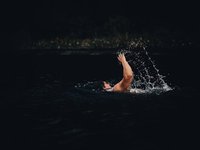
I never thought I'd be the type to swim at night. Give me daylight, clear water, and visibility any day. But last summer, my gym switched to an evening-only lap schedule for maintenance, and I had a choice: quit or adapt. I adapted, and it completely rewired how I approach the water.
The first few nights were rough. No natural light filtering through the pool deck, just the fluorescent glow making everything look different and somehow deeper. My mind played tricks on me. Every splash felt magnified. Every lap felt longer. I couldn't see the bottom as clearly, couldn't judge my distance the same way. My anxiety spiked hard, and I almost packed it in after night three.
But here's what happened around week two: something shifted. Without visual distractions, I had to trust my body more. I couldn't rely on seeing the lane markers perfectly or watching my hand entry. I had to feel it instead. My proprioception exploded. My stroke became more intentional because guessing wasn't an option anymore. I started finishing workouts stronger, faster, and more confident than my daylight sessions ever felt.
The mental game is what got me hooked though. Swimming in darkness forced me to trust the process instead of obsessing over performance metrics I could physically see. It killed my perfectionism and replaced it with something real: actual competence born from feel and instinct rather than external validation. That's powerful stuff.
Now I deliberately seek out night swimming when I travel. I've hit pools in Miami, Denver, and Portland after sunset, and every single time I discover something new about my abilities. It's taught me that sometimes the best growth happens when you strip away the comfort zones and force yourself into unfamiliar territory.
The water doesn't care what time it is. Your body doesn't care either. But your mind? Your mind gets sharper, tougher, and more resilient when you remove the crutches and swim blind.
Are you willing to chase discomfort in your training, or do you need the safety net of your usual routine?