Categories
Tags
-
#strategy
#fitness
#Travel
#adventure
#swimming
#skills
#training
#sports
#Health
#Motivation
#Volleyball
#recovery
#hiking
#basketball
#personal growth
#gym
#mental health
#wellness
#camping
#prediction
#strength training
#Mountain Biking
#Travel adventures
#Sports Community
#Cycling
#Personal Training
#Surfing
#equipment
#Esports
#competition
#Performance
#Sports performance
#Outdoor Sports
#running
#Fitness Goals
#Sports Nutrition
#technique
#Water Sports
#Fitness Journey
#outdoor adventure
#gaming community
#Outdoor Recreation
#fear
#Outdoor Adventures
#mindfulness
#mentality
#performance optimization
#ocean
#Confidence
#Resilience
#mindset
#Healthy Eating
#Road Trips
#team sports
#camaraderie
#competitive gaming
#mental toughness
#gaming tournaments
#athlete mindset
#rock climbing
#personal challenge
#fitness mindset
#exploration
#athletic performance
#rest
#gym workouts
#fitness motivation
#personal transformation
#exercise consistency
#extreme sports
#adrenaline
#limits
#thrill-seeking
#outdoor exploration
#bucket list
#thrill seeking
#mountain climbing
#sports tips
#fitness fuel
#training diet
#sports science
#athletic recovery
#rest and recovery
#marathon training
#endurance sports
#competitive spirit
#athletic growth
#adventure sports
#fitness challenges
#community
#wilderness
#endurance
#trail
#pushing limits
#living fully
#teamwork
#dedication
#mental performance
#level up
#fitness training
#discipline
#gym training
#ocean adventure
#wave riding
#training recovery
#ocean training
#solo training
#group rides
#bike setup
#road cycling
#bike commuting
#urban riding
#daily training
#gravel cycling
#adventure bikes
#off-road riding
#cycling exploration
#climbing
#cycling training
#training philosophy
#fitness transformation
#endurance training
#winter cycling
#cold weather training
#bike fitness
#open water
#athletic challenge
#cross-training
#night training
#fitness breakthrough
#wipeouts
#dawn patrol
#early morning training
#ocean fitness
#ball handling
#midrange game
#fundamentals
#skill development
#shooting technique
#footwork
#defense
#competitive training
#self-discovery
#messengers
#urban biking
#overcoming obstacles
#cycling technique
#cadence training
#endurance fitness
#pedal efficiency
#injury prevention
#leg strength
#muscle development
#performance gains
#fitness science
#commute
#distance training
#lateral movement
#pool training
#athletic development
#cold water swimming
#open water training
#swimming challenges
#sprint swimming
#athletic adaptation
#high intensity intervals
#flip turns
#athletic training
#pool workouts
#solo swimming
#athletic motivation
#water fitness
#distance running
#nutrition strategy
#race fueling
#race preparation
#pace groups
#race strategy
#running community
#base building
#aerobic fitness
#running foundation
#running strategy
#compound lifts
#gym motivation
#consistency over intensity
#strength building
#personal discipline
#gym fitness strength training adaptation progressi
#fitness metrics
#progressive overload
Archives
SWIMMING WITH YOUR EYES CLOSED: WHY FEAR IS YOUR GREATEST TRAINING PARTNER
-
Posted by Jake Rivera Filed in Sports #swimming #training #personal growth #fear #Confidence 34 views
I almost drowned the day I learned to trust myself.
It wasn't some dramatic near-death experience in the ocean. It happened in a chlorinated 25-meter pool on a Tuesday afternoon with my swimming coach standing right there. But the fear was real, and it was exactly what I needed.
For years, I'd been a strong swimmer. Pull times were solid, my technique was clean, and I could out-pace most people in the water. But I had this one weakness that drove me absolutely crazy: I couldn't sight properly during open water swims. Every time I lifted my head to navigate, my stroke would fall apart. My shoulders would tense up, my rhythm would shatter, and suddenly I'd be burning through energy like my tank was leaking. It was costing me races, and I knew it.
My coach, Maria, watched this happen one too many times during a lake workout. She didn't say much, just made a note and told me to meet her the following week. When I showed up, she had me in the main pool at the end of the day when it was quiet. That's when she dropped the challenge that changed everything for me.
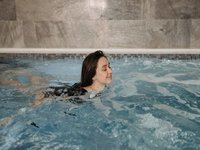
"Swim 200 meters," she said. "Freestyle. One catch." I stared at her. "You mean one stroke?" I asked, confused. "No," she said. "One catch. One pull per length. Eyes closed the entire time."
My stomach dropped. She wasn't joking. We weren't talking about a drill here. She was asking me to swim the length of the pool almost blind, trusting only my body's muscle memory and spatial awareness. No visual reference points. No landmarks. Just me and the water and whatever intuition I could muster.
The first attempt was a disaster. I made it maybe 50 meters before panic set in. When you can't see, your brain starts playing tricks. Every ripple feels like the wall is coming. You second-guess every stroke. I stopped halfway through, breathing hard, feeling stupid.
"Again," Maria said. No sympathy in her voice. Just expectation.
The second time was worse. The third time, something shifted. By the fourth attempt, I was moving with intention. I could feel the water differently. My strokes became more precise because I wasn't relying on my eyes to tell me I was off course. My body was adjusting in real-time, reading the water pressure, sensing the lane boundaries through subtle changes in how the water moved around me.
By the seventh or eighth try, I crushed it. Smooth, fast, controlled. Eyes still shut the whole way. When I touched the wall at 200 meters, Maria was nodding.
"Now you understand," she said. "Your eyes were holding you back. You were overthinking every movement. When you can't see, you feel. And that's where real swimming happens."
That workout changed how I approach the pool. It taught me something that goes way beyond athletics. Fear isn't the enemy of performance. It's the gateway to it. When you're scared, when you're uncomfortable, when you're pushing into territory that doesn't have a safety net, that's when you stop relying on external validation and start trusting your body's intelligence.
I went back to open water after that, and suddenly the sighting didn't matter as much. I wasn't panicking about visibility. I was feeling the currents, sensing the environment, moving with confidence instead of anxiety. My times dropped. My stroke got stronger. I placed top three in my next three races.
The pool taught me that sometimes the best way to see clearly is to close your eyes entirely.
What skill are you relying too heavily on your eyes for? What would you discover about yourself if you took away your visual crutch and trusted your instincts instead?