Categories
Tags
-
#strategy
#fitness
#Travel
#adventure
#swimming
#skills
#training
#sports
#Health
#Motivation
#Volleyball
#recovery
#hiking
#basketball
#personal growth
#gym
#mental health
#wellness
#camping
#prediction
#strength training
#Mountain Biking
#Travel adventures
#Sports Community
#Cycling
#Personal Training
#Surfing
#equipment
#Esports
#competition
#Performance
#Sports performance
#Outdoor Sports
#running
#Fitness Goals
#Sports Nutrition
#technique
#Water Sports
#Fitness Journey
#outdoor adventure
#gaming community
#Outdoor Recreation
#fear
#Outdoor Adventures
#mindfulness
#mentality
#performance optimization
#ocean
#Confidence
#Resilience
#mindset
#Healthy Eating
#Road Trips
#team sports
#camaraderie
#competitive gaming
#mental toughness
#gaming tournaments
#athlete mindset
#rock climbing
#personal challenge
#fitness mindset
#exploration
#athletic performance
#rest
#gym workouts
#fitness motivation
#personal transformation
#exercise consistency
#extreme sports
#adrenaline
#limits
#thrill-seeking
#outdoor exploration
#bucket list
#thrill seeking
#mountain climbing
#sports tips
#fitness fuel
#training diet
#sports science
#athletic recovery
#rest and recovery
#marathon training
#endurance sports
#competitive spirit
#athletic growth
#adventure sports
#fitness challenges
#community
#wilderness
#endurance
#trail
#pushing limits
#living fully
#teamwork
#dedication
#mental performance
#level up
#fitness training
#discipline
#gym training
#ocean adventure
#wave riding
#training recovery
#ocean training
#solo training
#group rides
#bike setup
#road cycling
#bike commuting
#urban riding
#daily training
#gravel cycling
#adventure bikes
#off-road riding
#cycling exploration
#climbing
#cycling training
#training philosophy
#fitness transformation
#endurance training
#winter cycling
#cold weather training
#bike fitness
#open water
#athletic challenge
#cross-training
#night training
#fitness breakthrough
#wipeouts
#dawn patrol
#early morning training
#ocean fitness
#ball handling
#midrange game
#fundamentals
#skill development
#shooting technique
#footwork
#defense
#competitive training
#self-discovery
#messengers
#urban biking
#overcoming obstacles
#cycling technique
#cadence training
#endurance fitness
#pedal efficiency
#injury prevention
#leg strength
#muscle development
#performance gains
#fitness science
#commute
#distance training
#lateral movement
#pool training
#athletic development
#cold water swimming
#open water training
#swimming challenges
#sprint swimming
#athletic adaptation
#high intensity intervals
#flip turns
#athletic training
#pool workouts
#solo swimming
#athletic motivation
#water fitness
#distance running
#nutrition strategy
#race fueling
#race preparation
#pace groups
#race strategy
#running community
#base building
#aerobic fitness
#running foundation
#running strategy
#compound lifts
#gym motivation
#consistency over intensity
#strength building
#personal discipline
#gym fitness strength training adaptation progressi
#fitness metrics
#progressive overload
Archives
SPRINTING THE POOL: HOW 50-METER REPEATS REWIRED MY ENTIRE ATHLETIC IDENTITY
-
Posted by Jake Rivera Filed in Sports #fitness breakthrough #pool training #sprint swimming #athletic adaptation #high intensity intervals 43 views
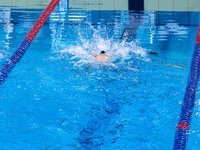
I used to think I was a distance guy. Twenty years of running marathons, cycling centuries, and grinding through long open water swims convinced me that my superpower was suffering through hours of monotony. I built my entire athletic identity around the ability to go long, to endure, to outlast everyone else through sheer willpower and mental toughness. Then I discovered sprint swimming, and it completely destroyed that narrative.
It started as a dare from my buddy Marcus at the gym. He challenged me to do ten 50-meter repeats at race pace with thirty seconds rest between each one. I laughed it off. I was a distance animal. Sprints were for young guys with fast-twitch muscles and nothing to prove. But Marcus kept pushing, and something in his voice made me realize I was scared. Not of the workout itself, but of discovering that I might not be good at something outside my comfort zone. That's when I knew I had to try it.
My first sprint set destroyed me in ways I wasn't prepared for. The first two 50s felt incredible, fast, explosive, alive. By repeat five, my legs were screaming. By repeat eight, I was questioning every life choice that brought me to that pool deck. But here's what surprised me: the mental game was completely different from distance training. In a marathon, you learn to numb yourself to discomfort and let your mind wander. In sprint repeats, there's nowhere to hide. You can't think about tomorrow or your problems at work. You're battling gravity, water resistance, and your own body for fifty meters at a time. Every single repeat demands one hundred percent focus or you fall apart.
Over the next six weeks, I became obsessed. I structured my entire week around sprint training. Monday and Thursday were dedicated to 50-meter repeats, varying between pure speed work and longer repeats at sustained race pace. Wednesday was 100-meter repeats to build capacity. Saturday I'd do a mixed set, attacking different distances and energy systems. I ditched the long slow distance swimming almost entirely, and something unexpected happened: I started feeling faster everywhere. My running times dropped. My cycling power output increased. I had energy I hadn't felt in years.
The real revelation came when I realized sprinting rewired how I approach any athletic challenge. Distance training teaches patience and the ability to suffer quietly. Sprint training teaches you to fight, to go hard when it matters, to find speed under pressure. I was still the same person, but I had unlocked an entirely different way of competing. My body was experiencing muscular adaptations I'd never developed through endurance work. My cardiovascular system learned to handle anaerobic efforts that used to terrify me. Most importantly, my mind learned that I could push different ways and still succeed.
What I didn't expect was how sprinting would change my approach to life outside the pool. When you spend six weeks learning to operate at maximum intensity for short bursts, you start thinking differently about other challenges. Instead of grinding through problems with endless patience, I started looking for ways to attack them with focused intensity. Sprint training teaches you that some situations don't require marathons; they require explosions.
The funny thing is, I haven't abandoned distance swimming completely. But my relationship with it has changed. Now when I swim long distances, I feel stronger, more powerful, more capable. The sprinting work gave me a new baseline of fitness I never would have achieved through distance alone. And honestly, the mental satisfaction of crushing a set of fast 50s is different from finishing a long swim. There's something primal about explosive effort that distance training can never provide.
If you've been grinding the same training methodology for years, I'm telling you right now that you're probably leaving potential on the table. Your body is capable of adapting to stimulus you haven't even tried yet. You might be a distance animal like I was, but that doesn't mean sprint work isn't your next breakthrough. The question isn't whether you're built for speed; it's whether you're brave enough to find out.
What's the training approach you've been avoiding because you think it's not for you?