Categories
Tags
-
#energy
#strategy
#fitness
#Travel
#adventure
#swimming
#skills
#training
#sports
#Health
#Sleep
#Competitive Advantage
#Challenge
#Friendship
#Motivation
#Volleyball
#recovery
#Nutrition
#hiking
#basketball
#supplements
#personal growth
#protein
#gym
#hydration
#mental health
#wellness
#camping
#shooting
#prediction
#strength training
#digestion
#Mountain Biking
#Travel adventures
#gut health
#Sports Community
#Cycling
#Personal Training
#Surfing
#World Travel
#Daily nutrition
#equipment
#Esports
#competition
#Performance
#Sports performance
#walking
#Outdoor Sports
#running
#Fitness Goals
#Sports Nutrition
#technique
#Water Sports
#Fitness Journey
#outdoor adventure
#gaming community
#Outdoor Recreation
#humility
#fear
#Outdoor Adventures
#mindfulness
#Adventure Travel
#mentality
#Mountain exploration
#Micronutrients
#performance optimization
#ocean
#Confidence
#group travel
#Resilience
#mindset
#Healthy Eating
#Road Trips
#team sports
#camaraderie
#competitive gaming
#mental toughness
#gaming tournaments
#athlete mindset
#rock climbing
#personal challenge
#fitness mindset
#exploration
#athletic performance
#rest
#gym workouts
#fitness motivation
#personal transformation
#exercise consistency
#extreme sports
#adrenaline
#limits
#thrill-seeking
#outdoor exploration
#bucket list
#thrill seeking
#mountain climbing
#sports tips
#fitness fuel
#training diet
#sports science
#athletic recovery
#rest and recovery
#marathon training
#endurance sports
#competitive spirit
#athletic growth
#adventure sports
#fitness challenges
#community
#wilderness
#endurance
#trail
#pushing limits
#living fully
#teamwork
#dedication
#mental performance
#level up
#fitness training
#discipline
#gym training
#ocean adventure
#wave riding
#training recovery
#ocean training
#solo training
#group rides
#bike setup
#road cycling
#bike commuting
#urban riding
#daily training
#gravel cycling
#adventure bikes
#off-road riding
#cycling exploration
#climbing
#cycling training
#training philosophy
#fitness transformation
#endurance training
#winter cycling
#cold weather training
#bike fitness
#nervous system
#open water
#athletic challenge
#cross-training
#courage
#night training
#fitness breakthrough
#wipeouts
#dawn patrol
#early morning training
#ocean fitness
#ball handling
#midrange game
#fundamentals
#skill development
#shooting technique
#footwork
#defense
#competitive training
#cultural connection
#self-discovery
#messengers
#urban biking
#overcoming obstacles
#cycling technique
#cadence training
#endurance fitness
#pedal efficiency
#injury prevention
#leg strength
#muscle development
#performance gains
#fitness science
#commute
#distance training
#lateral movement
#pool training
#athletic development
#cold water swimming
#open water training
#swimming challenges
#sprint swimming
#athletic adaptation
#high intensity intervals
#flip turns
#athletic training
#pool workouts
#solo swimming
#athletic motivation
#water fitness
#solo travel
#distance running
#nutrition strategy
#race fueling
#race preparation
#pace groups
#race strategy
#running community
#base building
#aerobic fitness
#running foundation
#running strategy
#compound lifts
#gym motivation
#consistency over intensity
#strength building
#personal discipline
#gym fitness strength training adaptation progressi
#fitness metrics
#progressive overload
#fitness fundamentals
#form and technique
#muscle gain
#gym routine
#fitness strategy
#training strategy
#rest days
#inflammation management
#fitness optimization
#training balance
#active recovery
#burnout prevention
#training methodology
#body adaptation
#training adaptation
#body awareness
#ocean sports
#adaptation
#progression
#cold water
#travel adventure
#getting lost
#altitude
#authentic experiences
#risk taking
#border crossing
#travel mindset
#transformative travel
#competitive athletics
#group competition
#pre-workout fuel
#body performance
#carbohydrate timing
#post-workout recovery
#fitness recovery
#electrolytes
#training optimization
#lineup mentality
#surfing skills
#surfing progression
#double sessions
#wave strategy
#fitness gains
#real food
#endurance fuel
#workout performance
#glycogen
#fuel strategy
#fitness habits
#mineral deficiency
#whole foods
#nutrition basics
#food quality
#performance fuel
#health optimization
#fueling
#body composition
#carbs
#athlete performance
#training fuel
#hydration strategy
#competitive edge
#carb cycling
#training fueling
#endurance racing
#psychological preparation
#endurance running
#distance racing
#running fitness
#recovery cycles
#backcountry camping
#hiking adventures
#mountain travel
#wilderness challenge
#backcountry
#camping strategy
#hiking tips
#outdoor gear
#basecamp
#wilderness adventure
#solo hiking
#backcountry adventure
#trail fitness
#gear obsession
#trail running
#night hiking
#trail training
#outdoor skills
#athlete fuel
#performance mindset
#protein intake
#recovery optimization
#diet strategy
#cold water training
#training evolution
#sprints
#genetics
#training partners
#group fitness
#training fundamentals
Archives
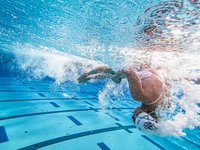
THE FLIP TURN REVOLUTION: HOW MASTERING ONE TECHNIQUE UNLOCKED MY ENTIRE ATHLETIC POTENTIAL
-
Posted by Jake Rivera Filed in Sports #fitness #swimming #technique #athletic performance #training fundamentals 26 views
I spent three years swimming without mastering flip turns. Three years. I'd push off the wall with my feet, sure, but my actual flip turn was sloppy, inconsistent, and honestly embarrassing when I thought about it. I'd see competitive swimmers executing flawless turns like they were part of the same motion as their stroke, and I'd convince myself it didn't matter that much. It's just a turn, right? Wrong. Dead wrong.
The flip turn was my wall. And I didn't even know it until the day I decided to actually learn it properly instead of faking my way through pool workouts.
Here's what I realized after spending focused time on this single technique: everything in athletics comes down to the fundamentals that feel boring. The ones you think don't matter. The ones everyone overlooks because they want to chase the flashy stuff. I was so obsessed with my stroke efficiency and my split times that I completely neglected the transition that happens five to eight times per lap depending on distance. That's insane when you think about it.
I hired a technique coach, which was humbling. Me, someone who considers himself competitive and athletic, needed coaching on a movement that kids in age group swimming programs execute flawlessly. But that's exactly the point. I'd been swimming against my own momentum, literally fighting myself at every wall instead of using that wall as a launching pad. My turns were killing my pace by roughly two to three tenths per lap. Over a 1650, that adds up to something like thirty seconds of wasted time. Thirty seconds. That's the difference between crushing a workout and feeling mediocre about it.
The mechanics are simple but precise. Your body position as you approach the wall matters. Your head position matters. The timing of when you actually flip matters. Where your hands are during the rotation matters. How tightly you tuck matters. The angle of your push-off matters. Your underwaters matter. Every single micro-movement either contributes to momentum or takes it away. There's no middle ground.
What blew my mind was how quickly improvement came once I actually committed to the work. Within two weeks of deliberate practice, my turns felt noticeably smoother. Within four weeks, I could feel the difference in how each wall contributed to my overall pace. By week eight, I wasn't thinking about flip turns anymore. They became automatic, efficient, and integrated into my stroke. That's when the real magic happened. That's when I stopped fighting myself and started working with physics instead of against it.
But here's the part that changed everything about how I approach athletic training in general: fixing my flip turn unlocked faster times without changing anything else about my fitness. My conditioning was the same. My stroke efficiency in the middle of the pool was unchanged. My mental toughness was identical. But by addressing one technical weakness, I immediately swam faster. That taught me something profound about where most athletes waste their energy.
We chase supplements. We chase harder workouts. We chase more volume. We chase psychological tricks. But we ignore the technical foundations that make all of that stuff actually matter. You can't out-train bad form. You can't supplement your way past inefficiency. You can't mentally tough your way through mechanics that work against you.
I started looking at everything I do athletically through this lens after fixing my flip turn. Are my hiking boots broken in properly before I hit serious trails? Am I gripping the bar correctly during lifts? Is my stride pattern optimized or am I fighting my own biomechanics? This one technique that I'd neglected for three years became the catalyst for completely overhauling how I train.
The flip turn taught me patience, precision, and the power of fundamentals. It reminded me that perfection at the basics beats 90 percent effort everywhere else. It showed me that even when you're already decent at something, there's always a hidden layer of performance waiting if you're willing to zoom in and get technical about it.
Now I ask every athlete I meet: what's your flip turn? What fundamental are you overlooking? What boring, basic technique are you dismissing because it feels too simple to matter? Because I'm telling you right now, that's exactly where your next breakthrough is hiding.